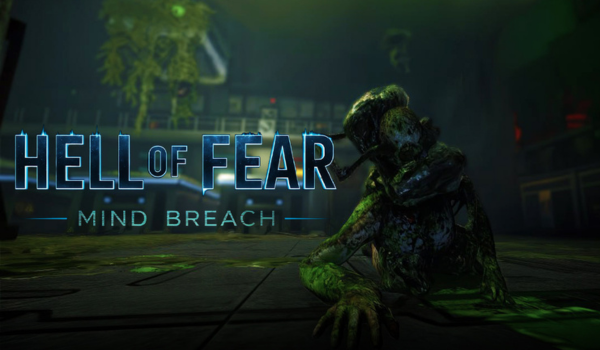
Sent to investigate a distress signal from a distant research facility, you are Axel Vox. No-nonsense, veteran, not here to make friends. You’re here to find out what went wrong, and nothing is getting in your way. This is Hell of Fear: Mind Break.
Released on December 5th, 2025, Hell of Fear: Mind Break is the result of a reported twenty-year journey by Abyss Assembly. It’s a first-person shooter with immersive sim elements, very much in the vein of System Shock or Deus Ex. It’s clear this has been a passion project for decades, which you can respect, but you’re not going to get anything ground-breaking in terms of story or mechanics.
Setting and World Structure
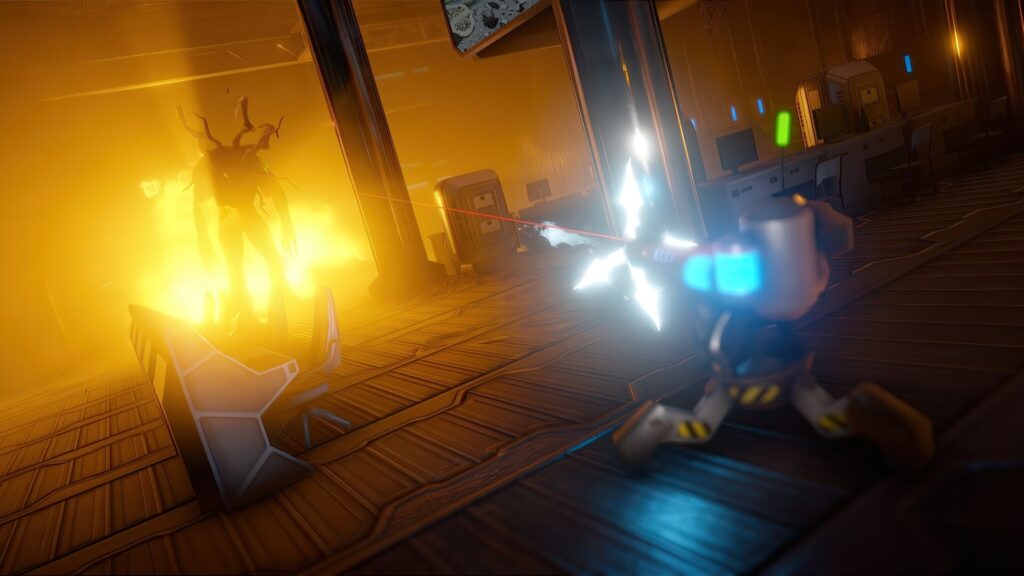
Cengona Base is the kind of facility that initially appears impressive, but its limitations soon become apparent. The base is divided into twenty-six sections, one for each letter of the alphabet. You start with a handful and unlock the rest as you progress. Each section is very similar. You arrive on level five via the monorail, find yourself stuck in elevators and shafts, and slowly restore power so you can move on. Rarely is a section more than five levels deep.
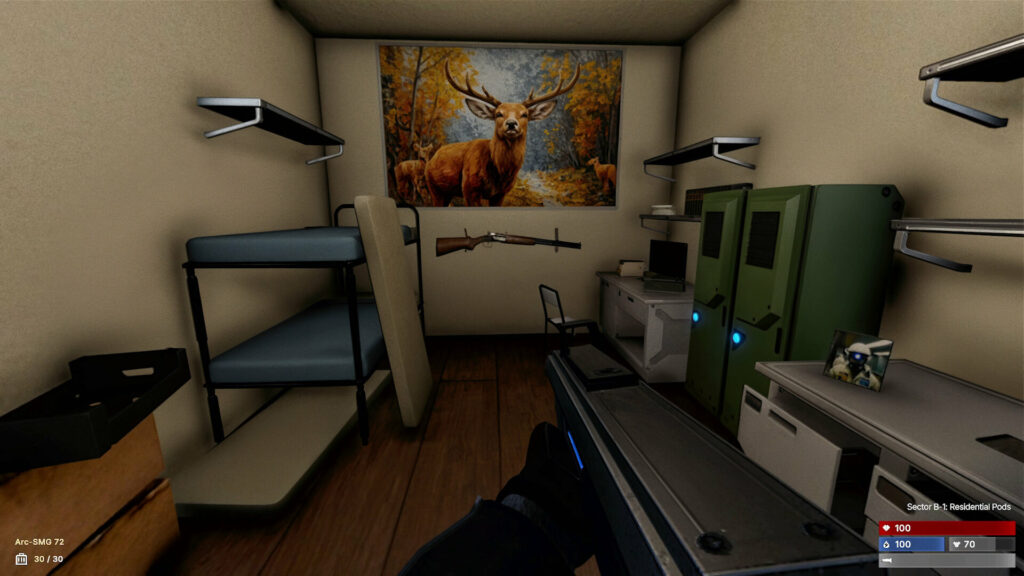
Exploration is consistently rewarded, with hidden rooms, shortcuts, and optional paths everywhere if you care to poke around. Some of the lore can even lead you to early weapons. One time, I followed a complaint about someone’s quarters and ended up with something ridiculously powerful. So there’s that.
Story and Environmental Storytelling
The plot itself? Nothing you haven’t seen before. Unknown specimen, containment failure, base overrun, monsters everywhere. That said, Hell of Fear: Mind Break does a good job telling the story through its environment. Corpses litter hallways, sections are in various stages of disrepair, and logs detail the slow collapse of the facility and the petty politics behind it.
If you pay attention, you’ll find hints of hidden paths or rewards tucked into the lore. Ignore them, and you’ll probably still survive. The story won’t slap you in the face. It’s subtle, slow-burning stuff.
The Enemies of Hell of Fear
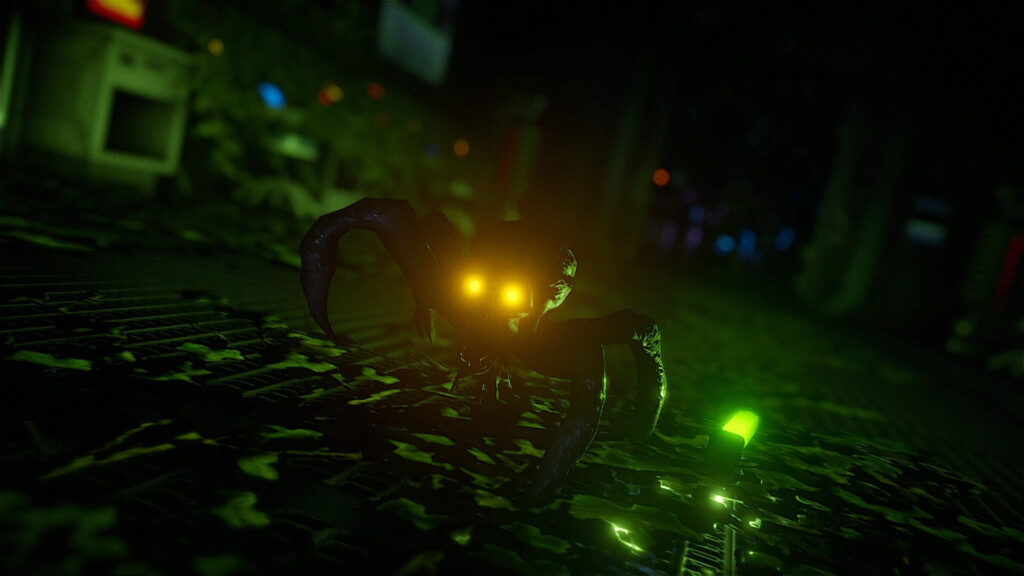
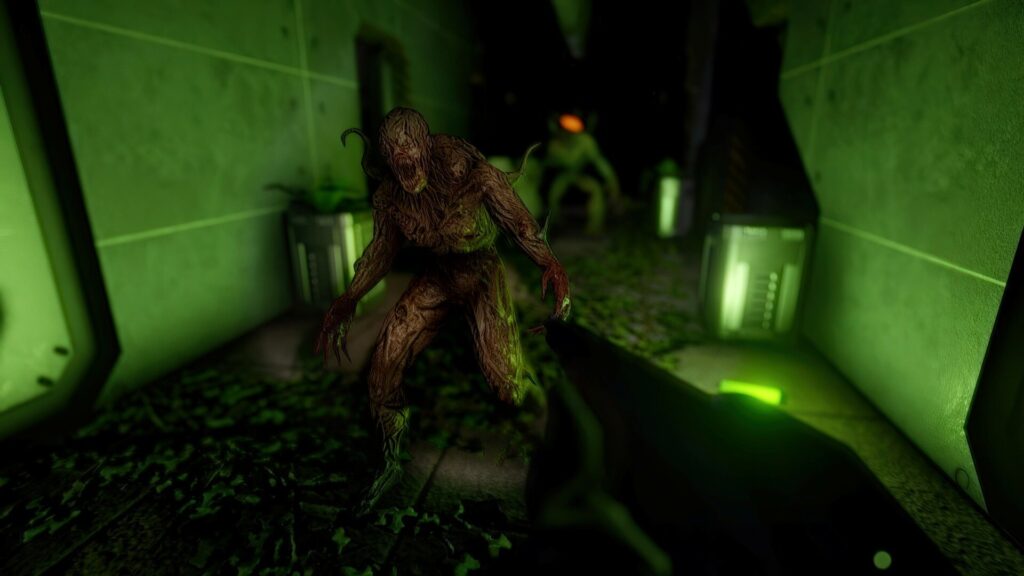
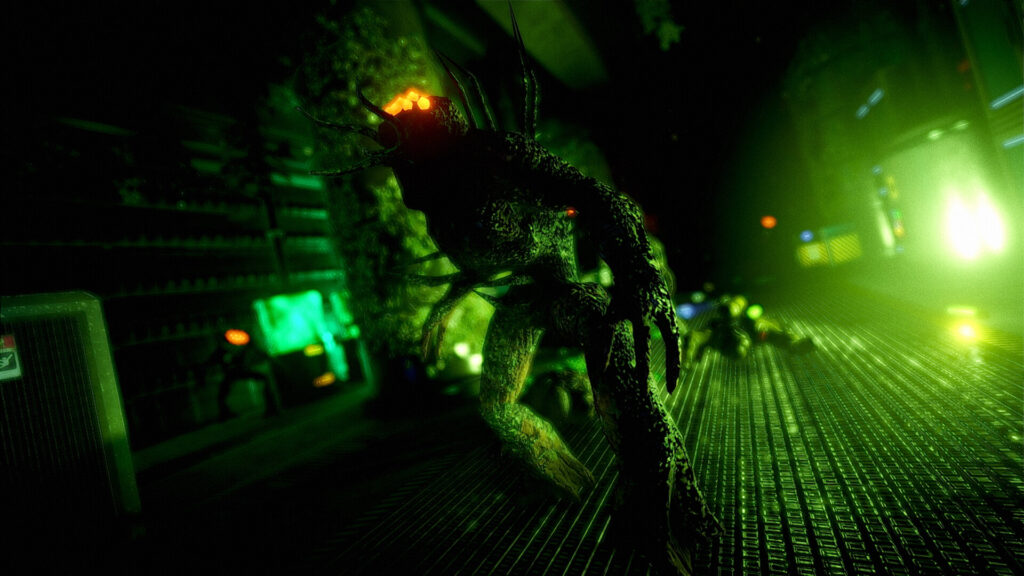
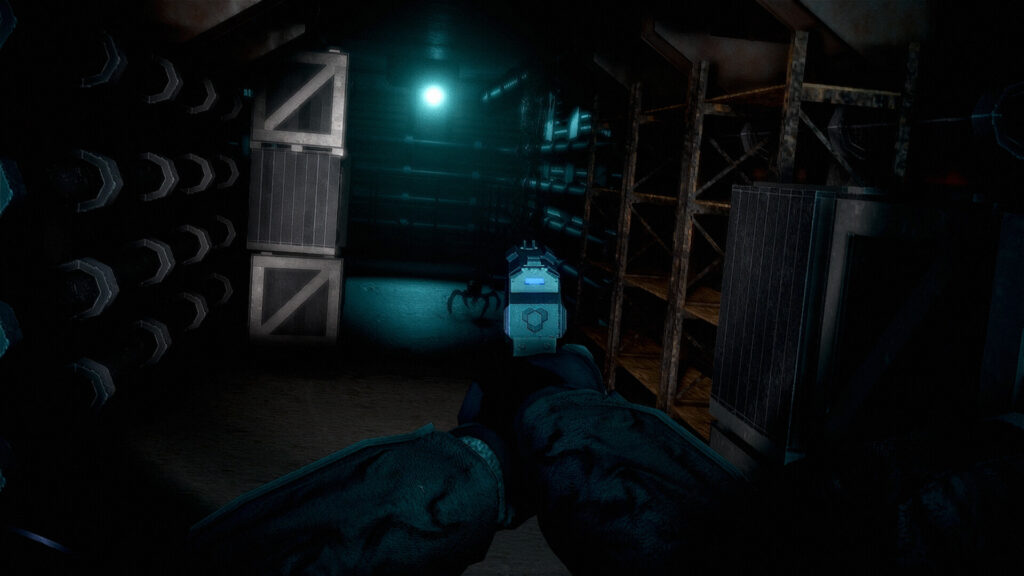
Here’s where Hell of Fear: Mind Break actually does something different. These aren’t your standard zombies or generic aliens. No, the creatures here are plant-based. Humanoids with bark-covered limbs, branches sprouting from their bodies. Tiny spider-like things that explode in clouds of poison. Vines, leaves, and branches growing through cracks in the walls. It’s unsettling in a good way.
The first time you encounter a humanoid enemy is brilliant. The door creaks open, light spills from behind it, music swells, and you just know something horrible is waiting for you. It’s a simple moment, but it works.
Combat and Gunplay
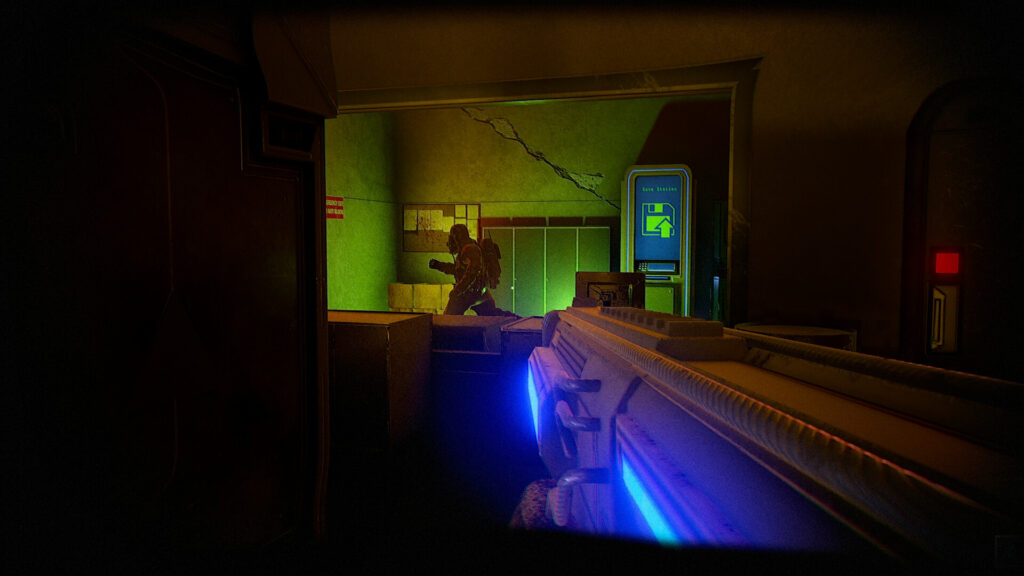
Now, let’s talk about why enemy encounters can feel terrifying for the wrong reasons. After the first few fights, you realize the gunplay is a bit clunky. Hip-firing often works better than aiming down sights, which is frustrating. Spider enemies in the early game move ridiculously fast and explode in clouds that can end your run if you’re not careful.
Fear doesn’t come from the horror itself, but from the constant worry about losing progress or burning through consumables. Some of the harder fights rely on trial-and-error rather than foreshadowing. You start getting suspicious of a save point placed in the middle of nowhere, suddenly realizing, “Oh, I’m probably supposed to face a small army here.” I never managed survival on the first run and became a point of frustration.
Difficulty and Modifiers
Hell of Fear: Mind Break has four difficulty levels, with the hardest locked until you finish the main plot once. There are also around a dozen optional modifiers from the start. Some make things harder, some make life easier. Ironman mode, starting with more money, infinite flashlight. A nice little menu of things to tinker with if you like customizing your run.
Items and Health
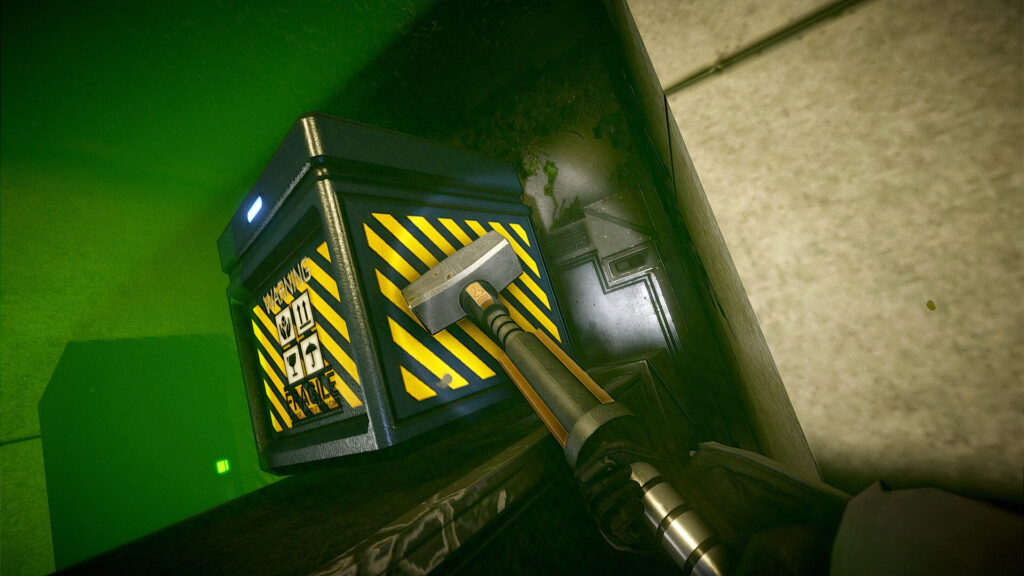
Cengona Base is littered with stuff if you explore. Ammo, healing items, temporary stat buffs, food, armour, cybernetic upgrades, and augment modules that require save points for permanent changes. Basically, Hell of Fear: Mind Break hits the “yes, but also no” balance with inventory.
You’ve got a grid-based weight limit system and a universal chest to store items, but even that has limited spaces. It’s both satisfying and annoying. You constantly have to make choices about what to keep and what to leave behind.
Plot Progression in Hell of Fear
Early on, Hell of Fear: Mind Break points you toward your objectives. Sure, it’s not a straight shot. You might need a key card or have to restore power to something first, but you’re guided enough that you don’t get lost.
As the base opens up, side areas appear for exploration, which can be daunting when weighing risk versus reward. By the halfway point, most of the base is unlocked, and the objective shifts to something vague like “explore the rest of the base and find an exit.” Some sections don’t extend past the monorail, while others are locked behind advanced keys. For a moment, the sense of direction gets lost, and you just have to figure things out yourself.
Music and Audio
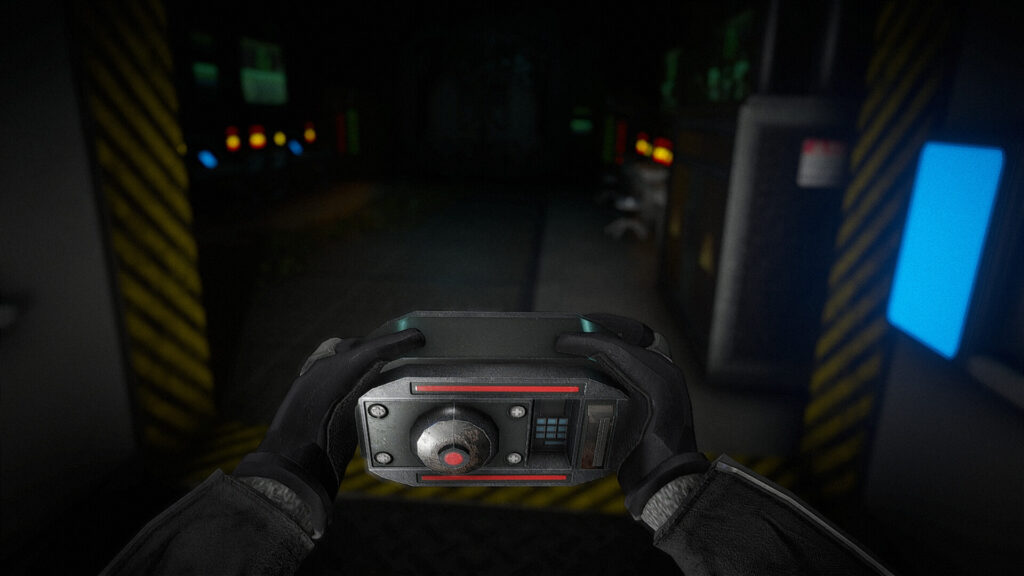
Audio cues are fantastic. Elevator music while riding lifts, music swelling in combat, quiet, eerie moments while exploring. You hear scuttling in vents, stomping behind doors, and radio instructions guiding you. All of it helps build tension and immersion. Hell of Fear: Mind Break really understands how sound can make exploration feel alive.
Stability and Bugs
I didn’t experience any performance issues while playing Hell of Fear: Mind Break. A mid-playthrough patch added helpful features like showing where you’ve been and tracking progression from the monorail sections. I did run into a bug that could softlock a new playthrough, which I reported, but aside from that, Hell of Fear: Mind Break runs smoothly and reliably.
My Final Verdict of Hell of Fear : Mind Break
Hell of Fear: Mind Break gives me mixed feelings. It is clearly a labour of love. The creature design, atmosphere, and audio cues are top-notch. The horror is unique, set pieces can be genuinely tense, and exploration rewards curiosity.
Unfortunately, it’s not perfect. Repetitive structure, clunky combat, and encounters designed around trial-and-error can make tension feel like frustration. Fear comes as much from the systems as from the monsters.
Still, if you want a budget-friendly immersive sim fix with unique monsters, solid set pieces, and plenty of atmosphere, Hell of Fear: Mind Break won’t let you down. Just don’t expect to survive your first run without a scratch.

Developer: Abyss Assembly
Publisher: GameDev.ist
Platform: Steam
Game Supplied By: Keymailer
About the Author