When Outlast first released in 2013, it redefined what horror in gaming could feel like—raw, personal, and deeply unsettling. Created by Red Barrels, the series traps players in tight, shadow-filled spaces where every flicker of light feels like salvation, and every noise could mean doom. Its commitment to tension and psychological dread has made Outlast one of the most terrifying franchises in modern gaming.
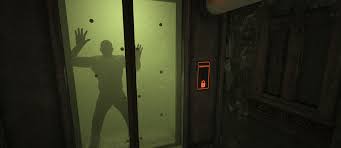

Outlast (2013) Fear at Mount Massive Asylum
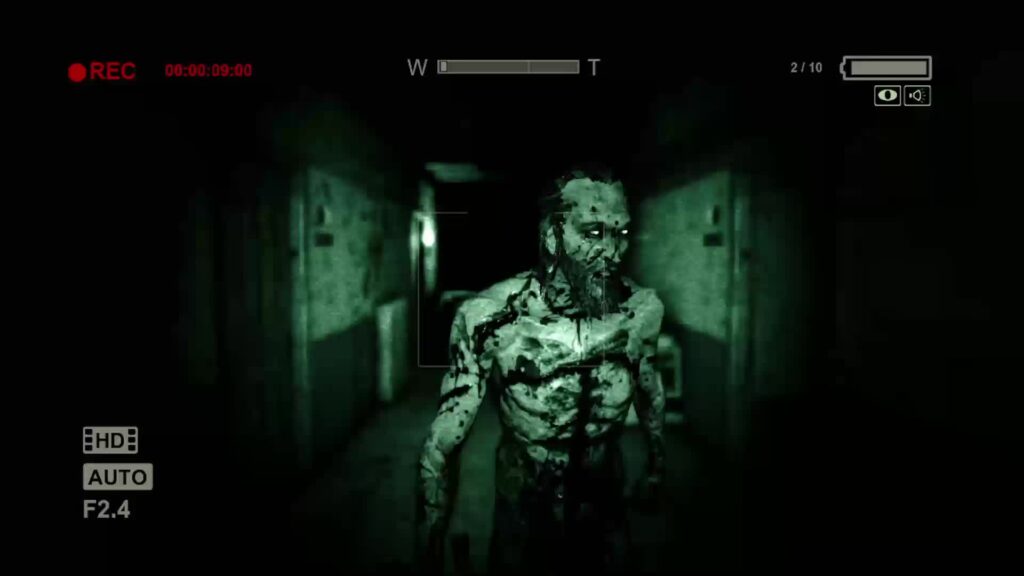
The original Outlast introduces players to investigative journalist Miles Upshur, who sneaks into Mount Massive Asylum after receiving a tip about illegal experiments. Armed with only a camcorder and his wits, Miles navigates dark hallways filled with grotesque patients and twisted staff.
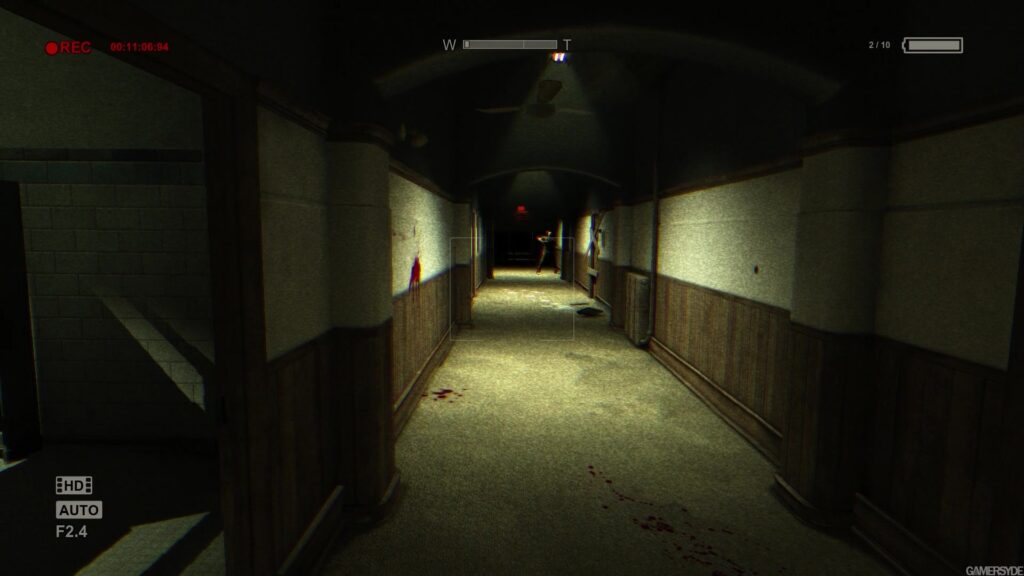
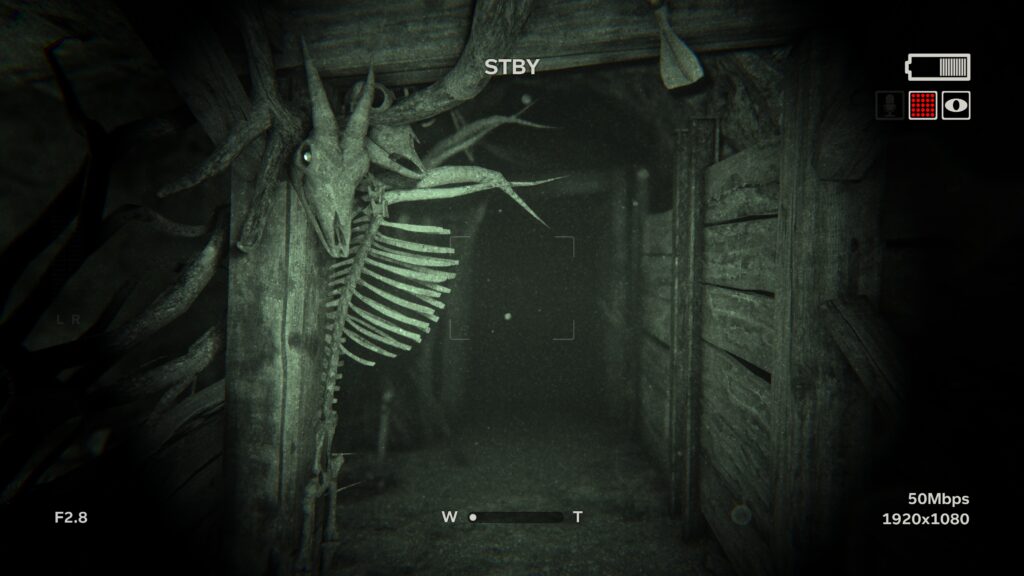
The game’s emphasis on stealth over combat is a masterstroke of tension. Without weapons, players must hide, run, and manage their limited resources to survive. The asylum’s ever-present darkness, punctuated by the camcorder’s night vision, amplifies fear, creating a sense of vulnerability that few horror games achieve.
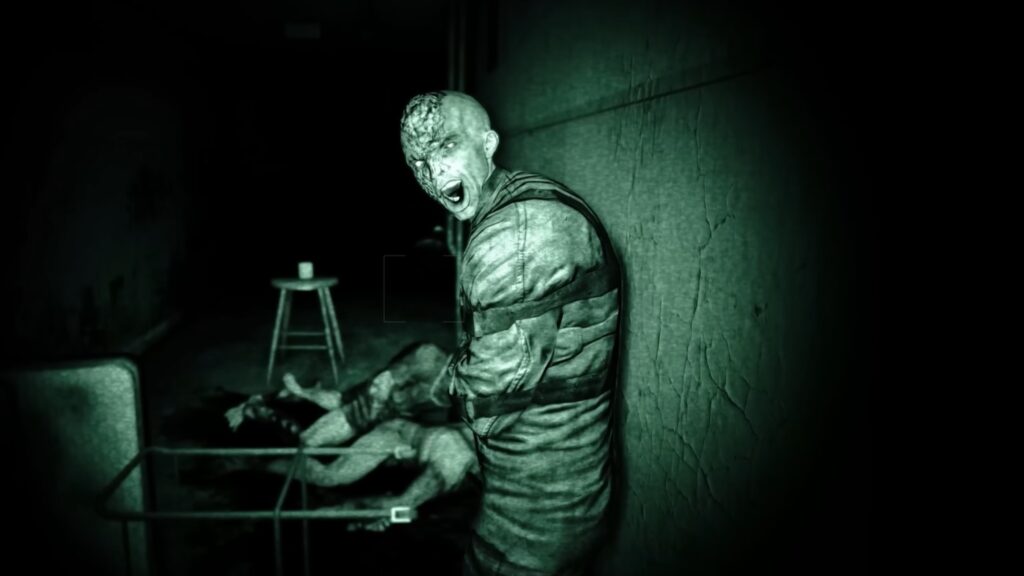
Outlast: Whistleblower (2014) Expanding the Nightmare
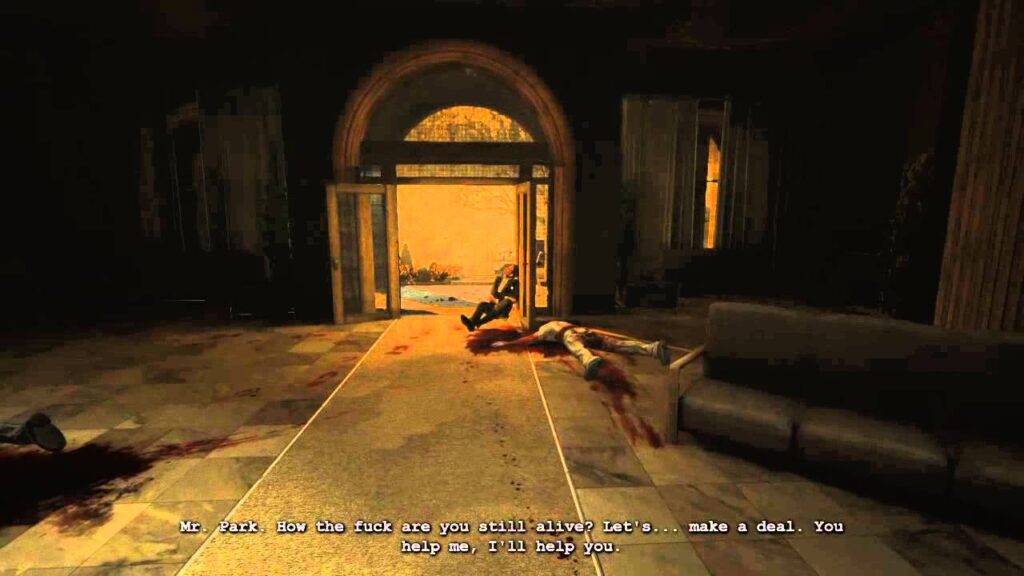
Whistleblower serves as both a prequel and a companion to the original game. Players take control of Waylon Park, a software engineer at Mount Massive, who uncovers the horrifying experiments conducted on the patients.
This expansion not only deepens the lore of Mount Massive but also heightens tension with more complex environments, new enemies, and morally disturbing scenarios. It bridges the gap between the investigative horror of the original game and the personal consequences of exposing the facility’s dark secrets.
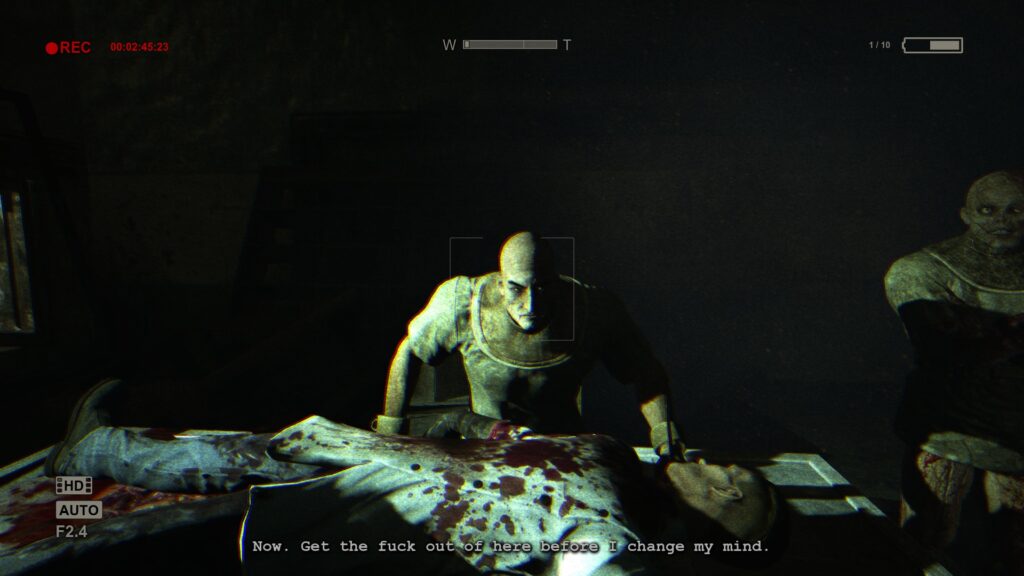
Outlast II (2017) Rural Horror with Cultic Terrors
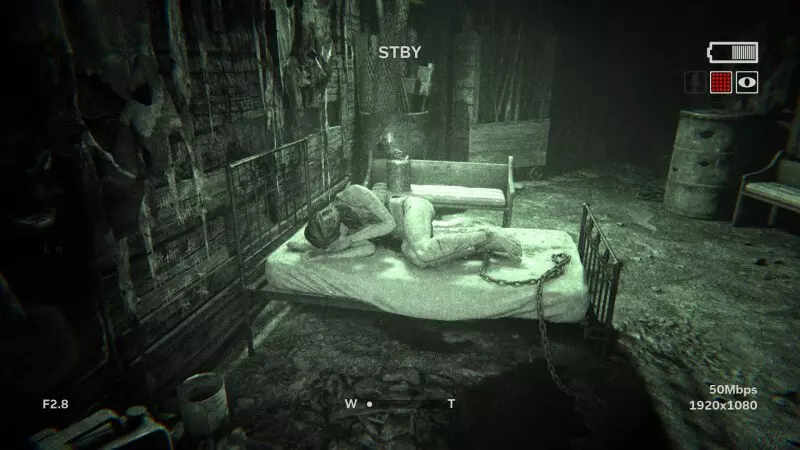
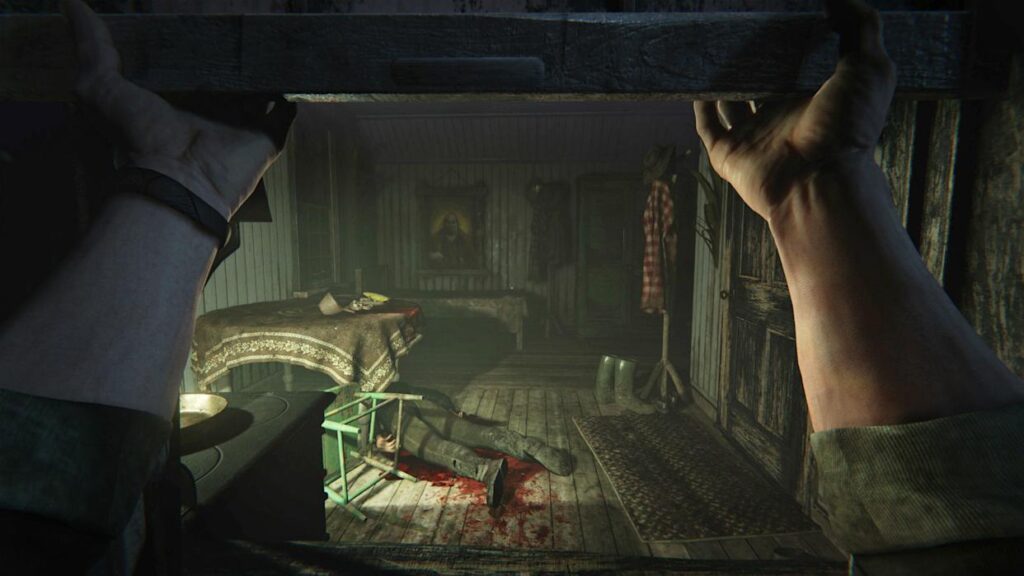
Outlast II shifts the setting from a high-tech asylum to the remote Arizona desert. It introduces Blake Langermann, a cameraman investigating the murder of a pregnant woman alongside his wife, Lynn. The game explores the dark extremes of religious fanaticism, isolation, and psychological terror.
The horror in Outlast II is more psychologically intense than the first, with distorted perceptions, mind-bending sequences, and morally ambiguous enemies. The rural setting creates a suffocating sense of entrapment, where every shadow and sound could herald danger.
While some players criticized certain plot elements and jumps in pacing, the game’s audio-visual design, tension-filled chase sequences, and narrative ambition make it a memorable, nerve-wracking experience.
Themes and Storytelling Across the Series
The Outlast games are more than just jump scares—they explore themes of human cruelty, moral corruption, and the fragility of sanity. Both the asylum and the rural desert settings are microcosms of broader horrors: unethical science, cult indoctrination, and the psychological toll of extreme fear.
Narrative delivery is often environmental and immersive. Players uncover documents, recordings, and visual cues that piece together the story, emphasizing exploration and observation. The games challenge players to survive in environments where knowledge is as much a weapon as stealth.

Visuals and Audio — Crafting Relentless Tension
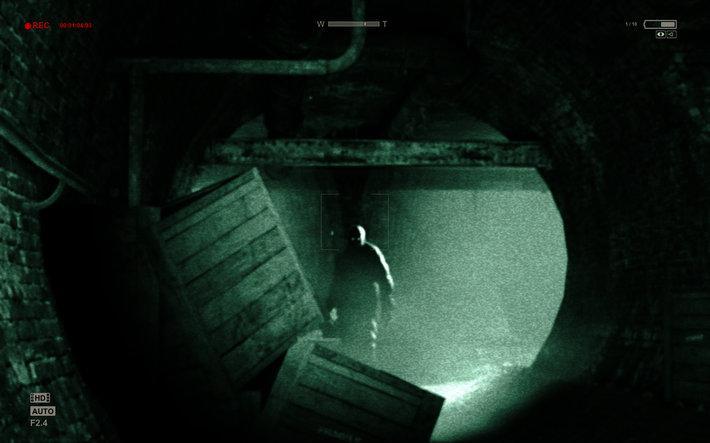
Outlast and Outlast II excel in creating oppressive, tension-filled atmospheres. Dim lighting, flickering shadows, and claustrophobic corridors immerse players in fear. The sound design—heartbeat-heavy footsteps, distant screams, and haunting whispers—amplifies anxiety and dread.
Night vision mechanics are both a tool and a source of stress. The grainy, monochromatic visuals make players feel constantly exposed, while limited battery life keeps tension high. Combined with realistic environmental effects, these design choices contribute to the series’ reputation as some of the most terrifying horror games available.
Final Thoughts
The Outlast series is a masterclass in survival horror. From Mount Massive Asylum’s nightmarish corridors to the isolated, cult-ridden desert of Outlast II, the games deliver unrelenting fear, complex narrative, and immersive environments. For fans of psychological horror, stealth-based gameplay, and atmospheric terror, the Outlast games remain essential experiences.

Platforms: PC, PS 4, PS5, Nintendo Switch, Xbox One, Steam
Publisher: Red Barrels
Developer: Red Barrels
Played On: PC
About the Author