The automation game genre has seen a boom over the last few years. From Satisfactory to Shapes and beyond, automation enthusiasts have many choices. Modulus: Factory Automation stands out for blending intricate problem-solving with a focus on customizable factory design, challenging you to balance both logistical efficiency and visual creativity. In a world of manufacturing menaces and efficiency nightmares, what makes Modulus: Factory Automation the game for you?
The Building Blocks For Success
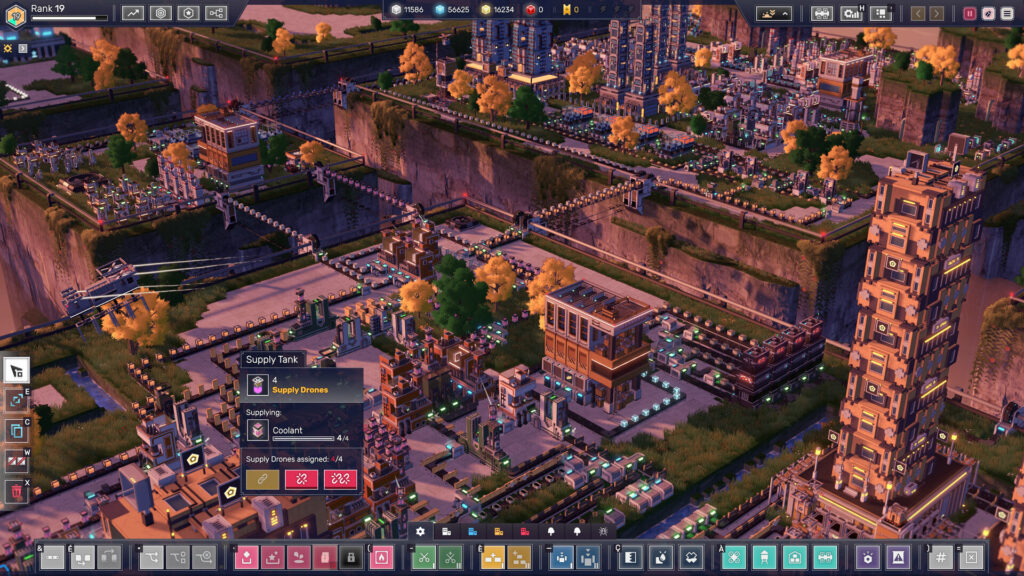
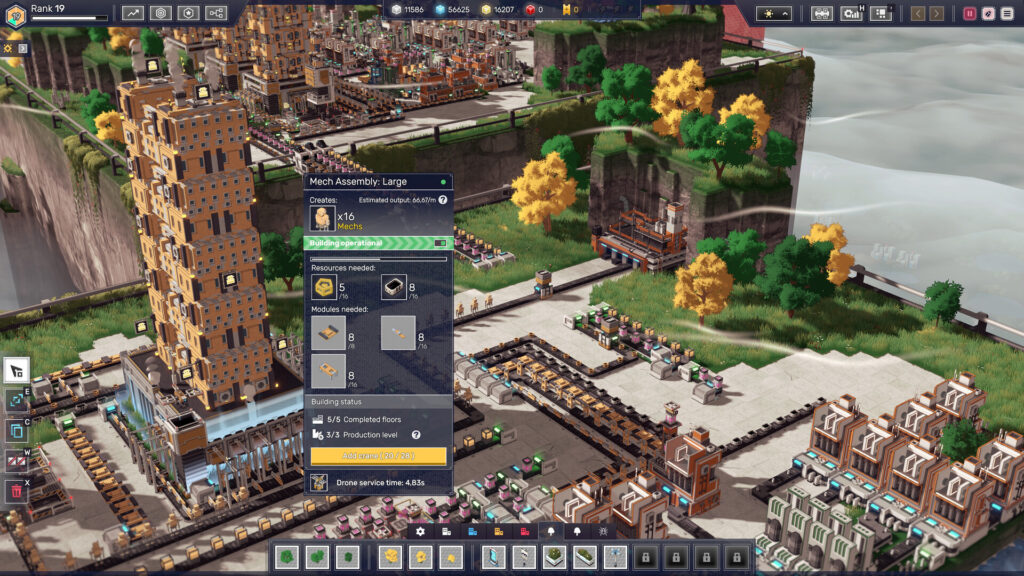
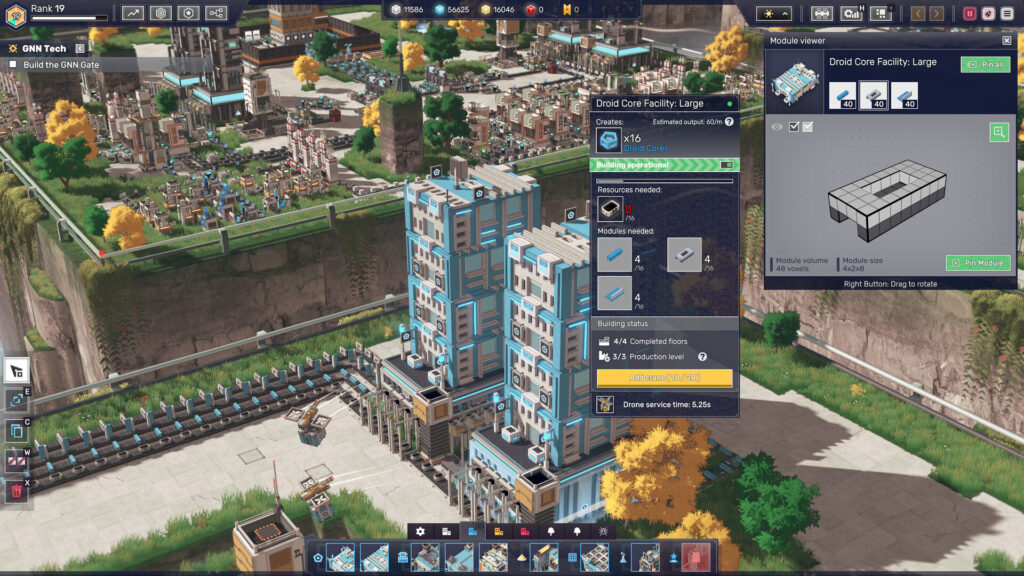
The aim of Modulus is to create droids and robots of various sizes and deliver them to the depot. With no creation costs or restrictions, you are encouraged to experiment and perfect your designs without budget concerns. This freedom to build without penalty makes Modulus unique by encouraging creative solutions and ambitious layouts.
Starting with basic resources, your task is to forge, chop, and colour materials into different shapes, then deliver them to different buildings. Each building has different requirements that can increase as it levels up and becomes more efficient.
Atlas, an operations robot, walks you through the various tutorials, goals and stages. There’s a shallow, slow-burning plot, and each new module includes goals and tasks to help keep the player oriented toward the greater goal. It’s not a blockbuster story, but it held enough intrigue to keep me playing after making my initial review.
Control The Pipeline
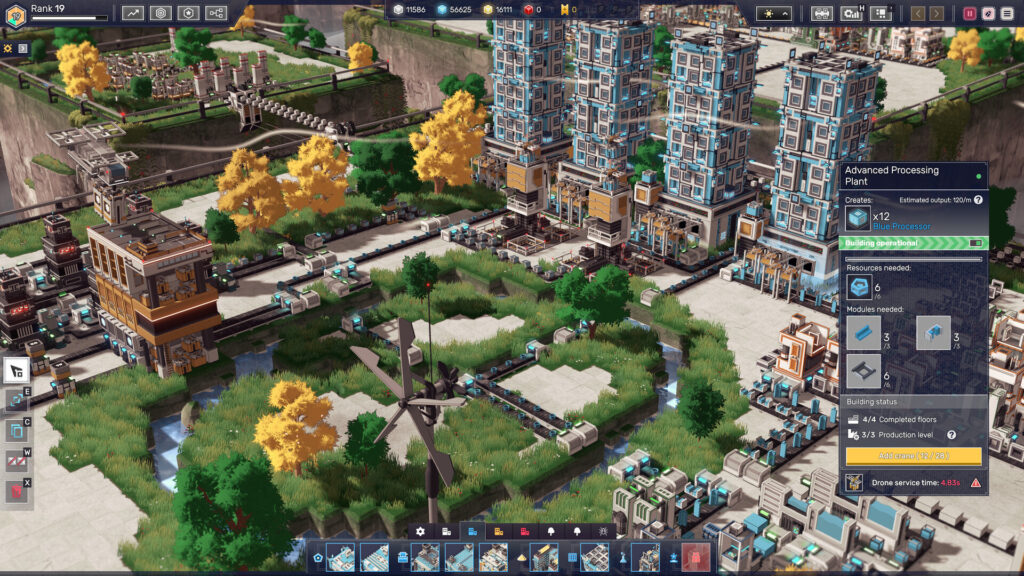
Using a keyboard and mouse feels natural to the genre and makes placing items comfortable and intuitive. There are unlocks to split conveyor belts and other items which can be placed over your tracks to easily replace them. It was also appreciated that Ctrl+Z worked in-game. Having played a number of these games, I would put Modulus ahead of some of its lesser-known competitors. There are many quality-of-life integrations, such as the copy-and-move mechanics, which make it much easier and less gruelling to wipe the board and start over.
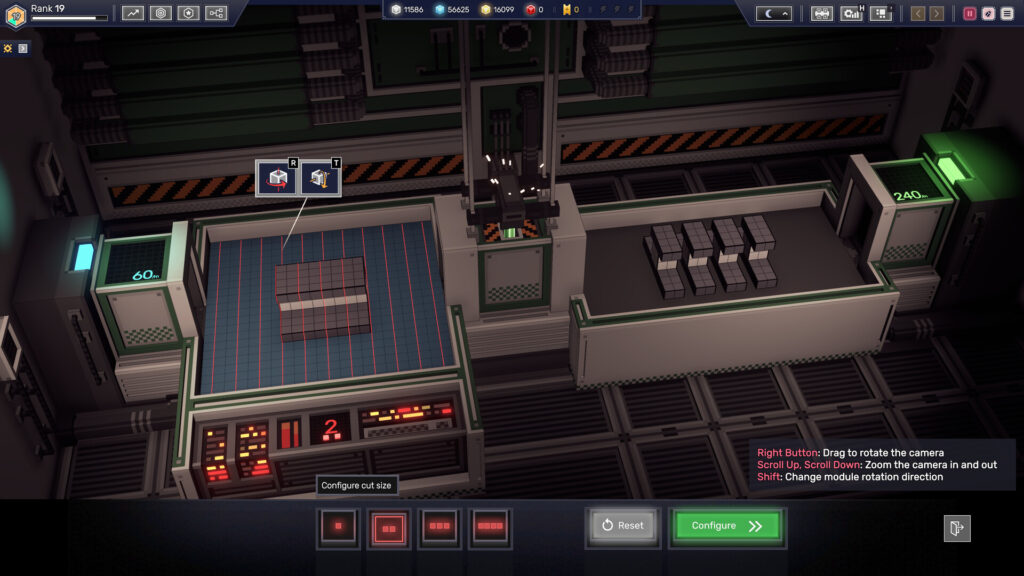
Some machines require configuration, which creates a blueprint for them to follow. The cutter, combiner, and stamper all require some direction on how you want the machine to interact with the pieces, which I found really interesting. Flipping switches and turning pieces to get the desired shape took some practice, but added a nice change of pace to the gameplay.
Modulus encourages you to rebuild and expand your operations with easy-to-use copy and delete functions. Click the button and drag your mouse over the desired area, and you’re good to go. Similarly, if you mess up a machine at any point, you can easily clear the conveyor belt.
Skills
I really enjoy a stacked skill tree, and Modulus delivers this and then some. You need to create the resources to unlock them, which is a great indicator of how efficiently your factory is currently laid out. If things are starting to drag, then you might want to consider a redesign. Certainly, you could just leave your game running and slowly reach your goals without punishment, as Modulus encourages you to play your way.
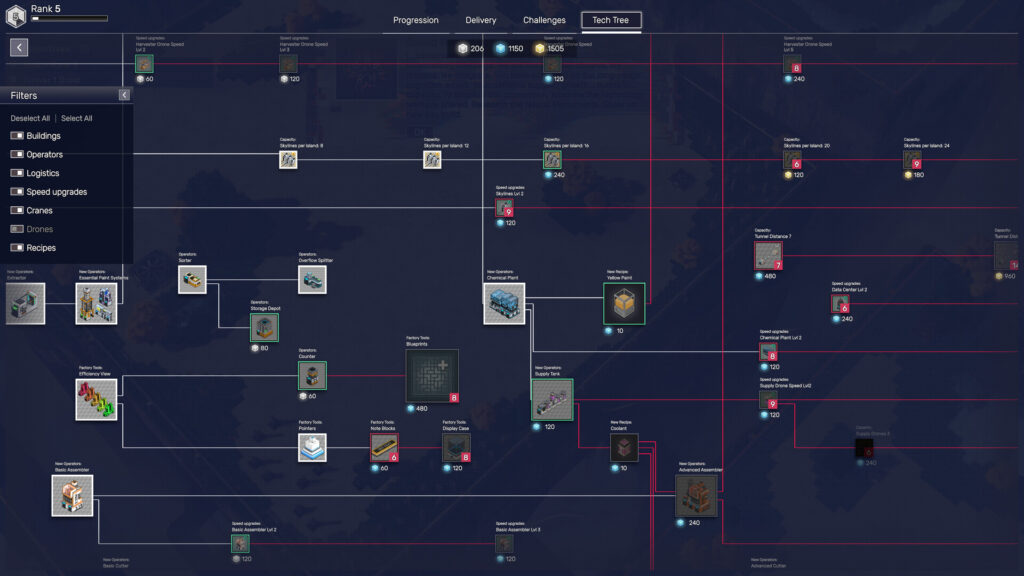
There are loads of different tools to unlock and play around with. Modulus doesn’t care how you deliver your goals either, so there’s no correct way to do things. There are always more efficient methods of creating things, but you can solve each puzzle your own way.
Module Challenges
Alongside the main robot builds, there are ’Module Challenges’ which require you to deliver specific blocks to the delivery points. These increase in difficulty and are collected until the task is completed, after which they are replaced with the next challenge. Completing these gives you bonus resources for unlocking your skill tree, so they are fun, challenging and help you progress.
Modular Success
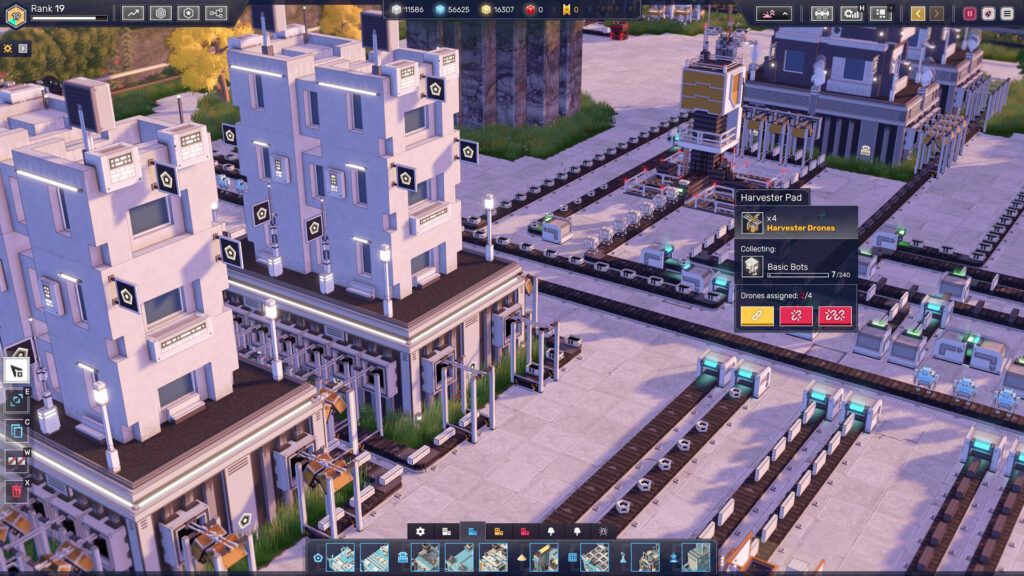
Modulus: Automation Game is the perfect way to while away a few hours of problem-solving and dissociation. It’s a little overwhelming in places but easy to settle into. The colour and gentle noises make it easy to get into a good work flow but I found it worked well in smaller bursts of building, then several minutes of watching for bottlenecks and missing efficiencies.
It kept drawing me back in as I upgraded my buildings and hooked onto a new delivery target. Each new island I unlocked offered new layout challenges and resources, keeping the gameplay fresh. I would even go away and think about my goals before returning to lay out a more efficient pipeline and unlock a new one.
If you enjoyed other automation games and a top-down view rather than first-person, then Modulus: Automation Game will be the perfect addition to your library. It’s not a genre everyone will enjoy, but problem-solvers and OCD-gamers with a want for aesthetic automation will find years’ worth of content here.

Platform: PC
Publisher: Kwalee
Developers: Happy Volcano
Played On: PC
Code Provided By: KeyMailer
About the Author