Dragons: Race to the Edge expands the How to Train Your Dragon universe with thrilling new adventures, deeper character arcs, and an ever-growing bestiary of dragons. Set between the first and second films, the series follows Hiccup, Toothless, and the Dragon Riders as they venture far beyond Berk to explore uncharted territory, and face dangers far more complex than anything they’ve battled before.
A Journey Beyond Berk
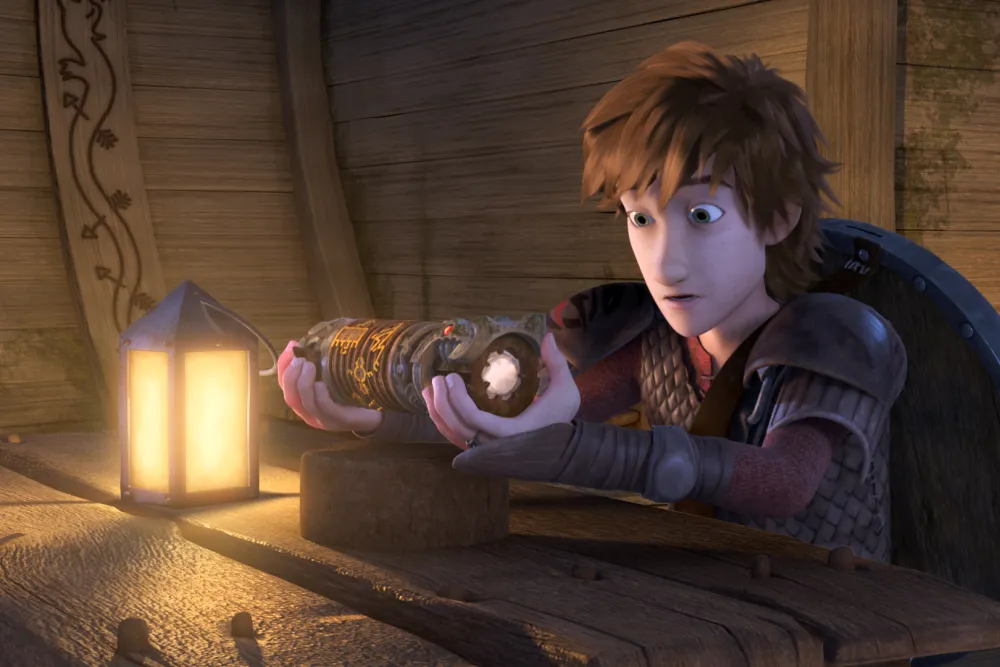
The heart of Race to the Edge lies in exploration. When Hiccup discovers the mysterious Dragon Eye, it opens a literal new world of possibilities. Maps, clues, and cryptic symbols guide the Riders to hidden islands, forgotten dragon species, and powerful enemies lurking at the edge of the known world.
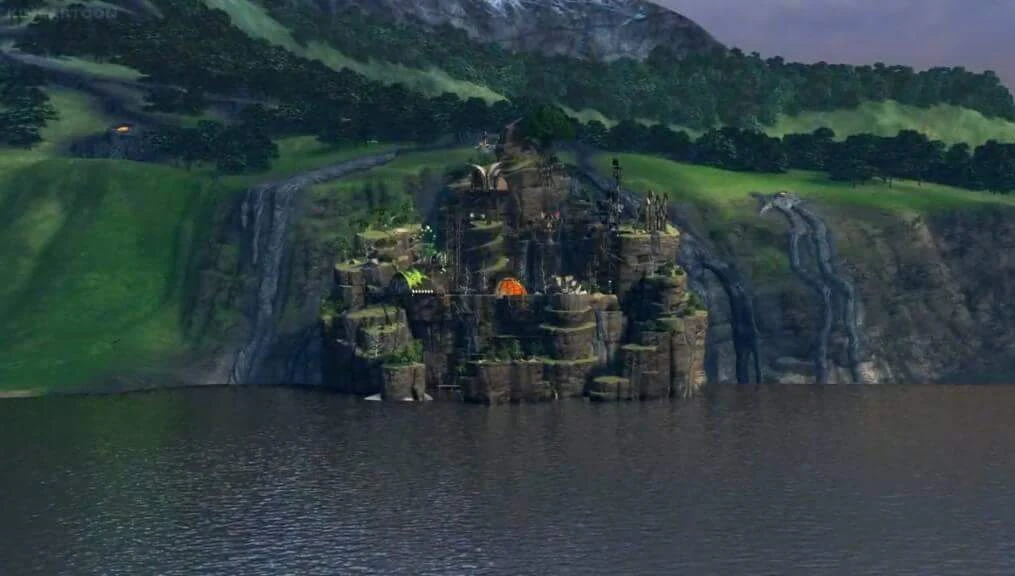
What makes this journey compelling is how the show leans into long-form storytelling. Discoveries in one episode often ripple into future conflicts, creating a sense that the Riders are truly charting history rather than stumbling into random adventures. The Edge itself becomes more than a base ” it’s a symbol of independence, growth, and stepping out from under the safety of Berk.
Evolving Characters and Relationships
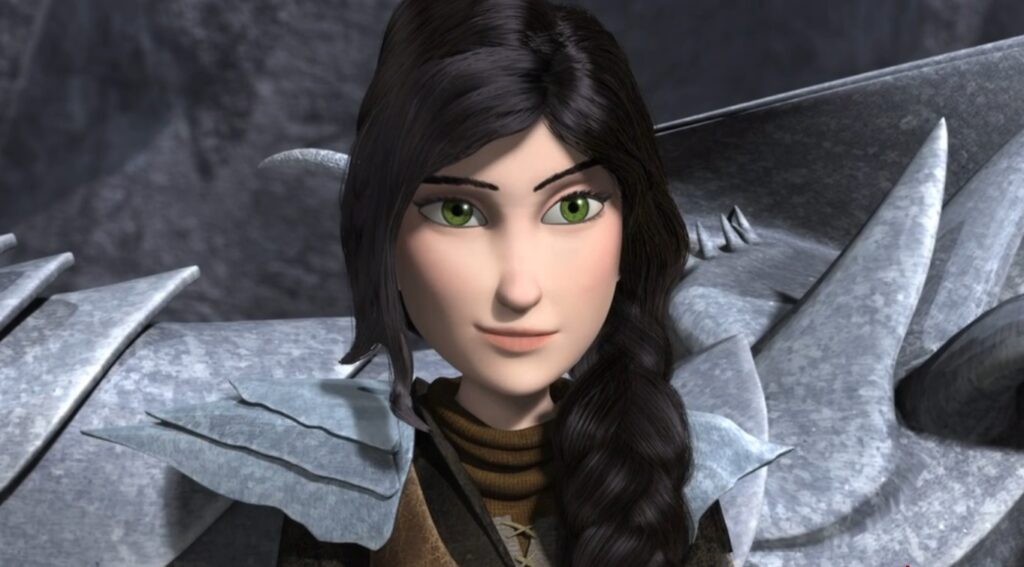
One of the show’s strongest elements is the care it gives its characters. Hiccup continues growing into the thoughtful, inventive leader fans admire. He’s no longer just the underestimated son of Stoick ” he’s a strategist, diplomat, and visionary.
Astrid shines as both a fierce warrior and Hiccup’s emotional anchor. Offering grounded perspective when his ambition runs ahead of him.
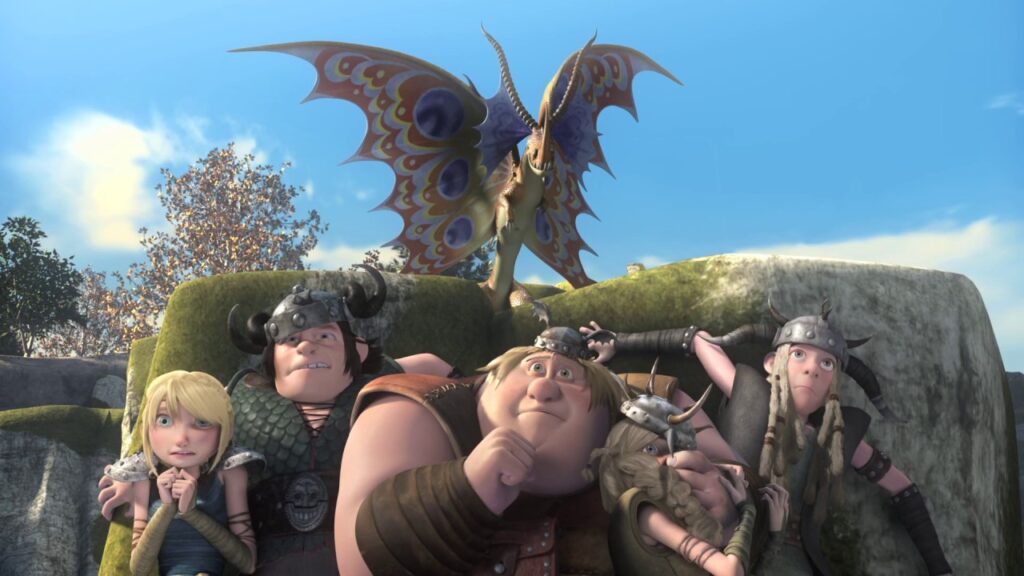
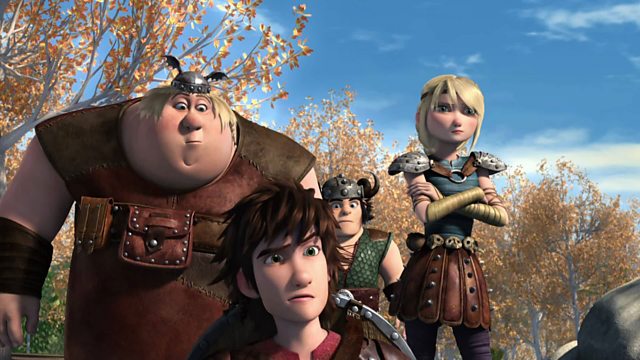
Meanwhile, Snotlout, Fishlegs, Ruffnut, and Tuffnut each receive meaningful development. Their humour remains intact, but the series allows them to mature. Fishlegs’ encyclopaedic dragon knowledge becomes indispensable, Snotlout wrestles with insecurity and pride, and the twins often surprise everyone with unexpected cleverness beneath their chaos.
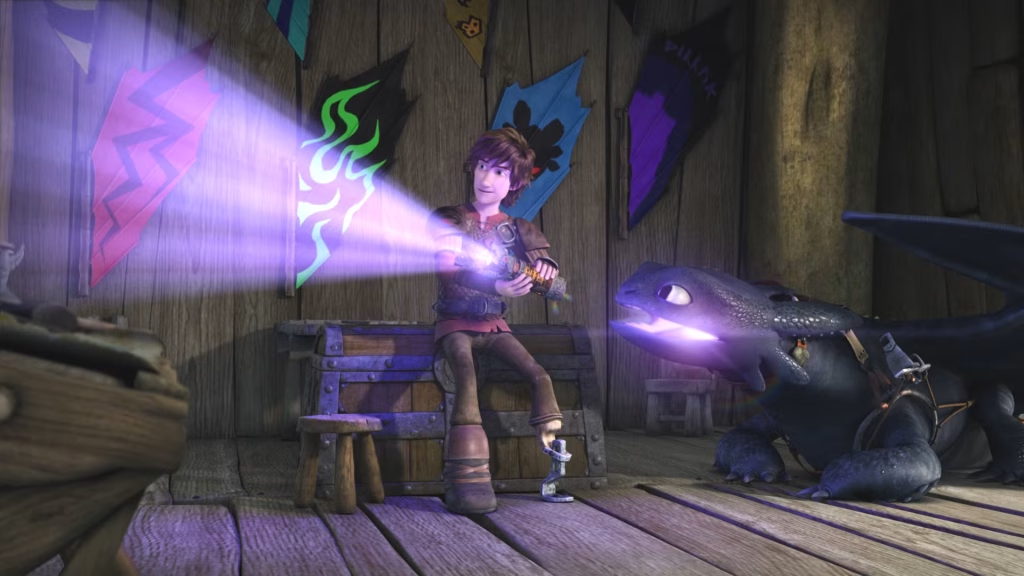
At the emotional core is the bond between Hiccup and Toothless. Their trust deepens with every challenge, reinforcing the franchise’s central message: partnership, not dominance, is the key to strength. Watching their dynamic evolve makes the transition into How to Train Your Dragon 2 feel natural and earned.
New Dragons, New Threats
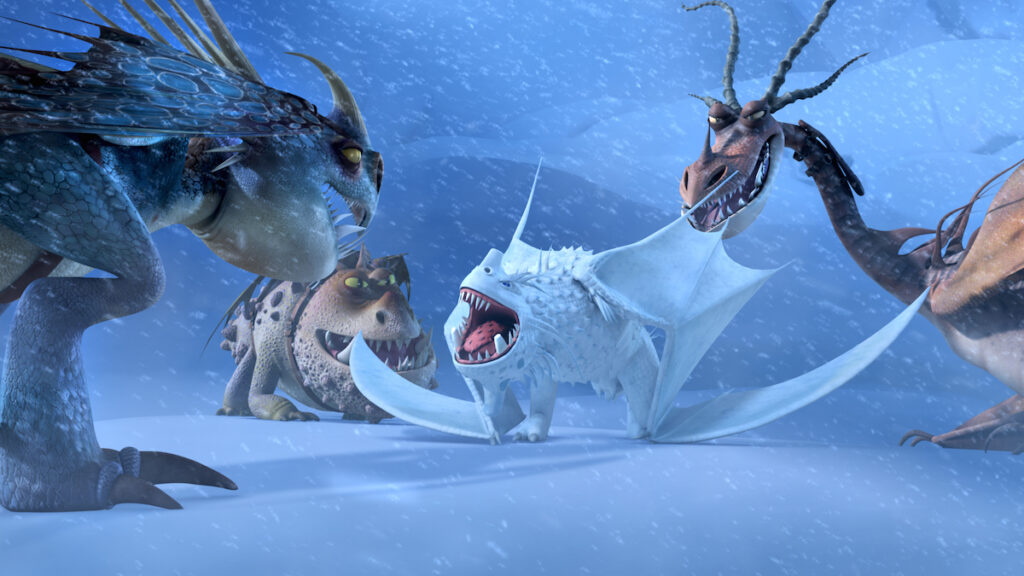
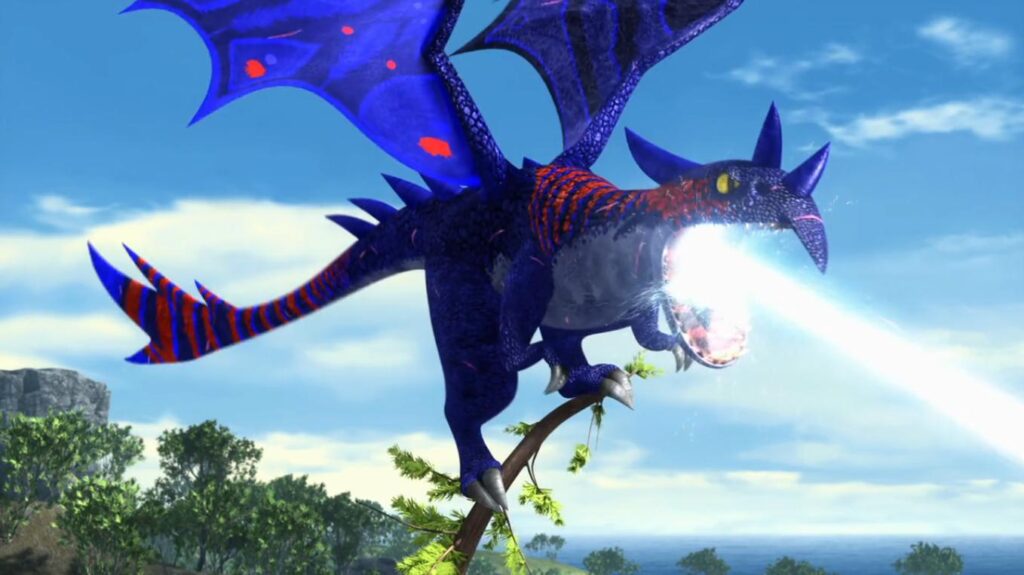
From the razor-sharp Razorwhip to the fearsome Singetail and the cunning Triple Stryke, Race to the Edge introduces an impressive line-up of dragons. Each new species feels purposeful, with distinct abilities that influence strategy during aerial battles and rescues. The expanding dragon lore adds layers to the world, suggesting ecosystems and hierarchies beyond what the films had time to explore.
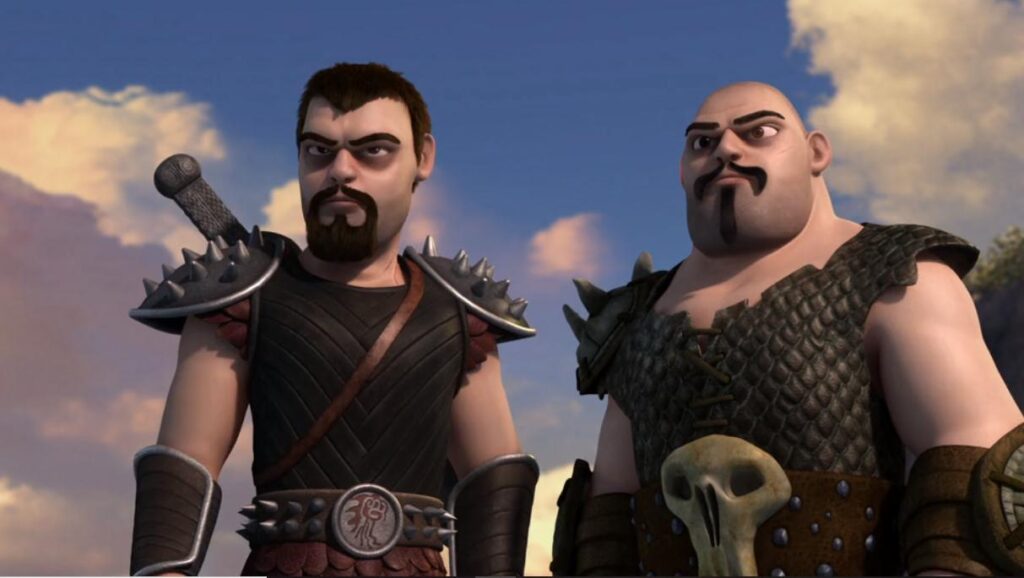
The villains are equally compelling. Dagur evolves from reckless antagonist to something far more nuanced, while the Dragon Hunters present a chilling counterpoint to Berk’s philosophy of coexistence. Their presence raises the stakes significantly, dragons are no longer just misunderstood creatures, but targets in a dangerous trade.
Humour, Heart, and Heroism
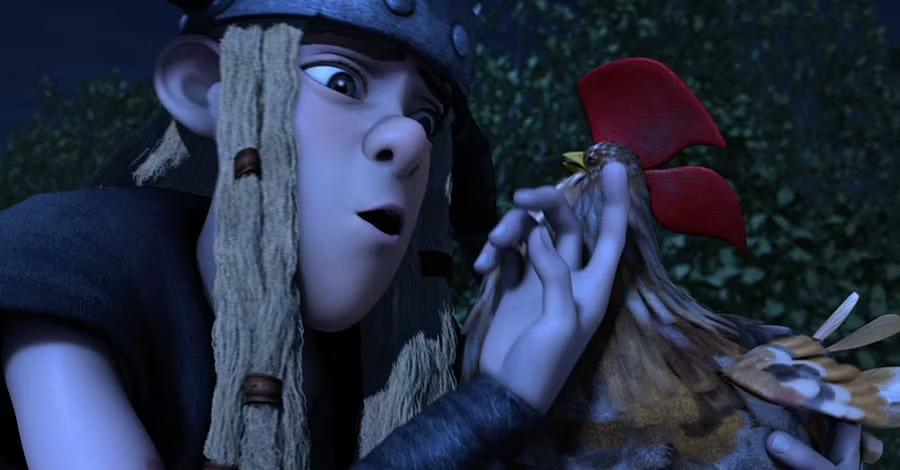
Despite darker undertones, the series never loses the warmth that defines the franchise. Tuffnut’s absurd logic, Ruffnut’s sharp wit, and Toothless’ catlike expressions bring levity to even the tensest moments.
But when the show leans into emotional beats, it commits fully. Themes of loyalty, responsibility, and sacrifice give weight to the adventure. The Riders aren’t just thrill-seekers, they’re protectors learning what leadership truly costs.
Animation and Worldbuilding
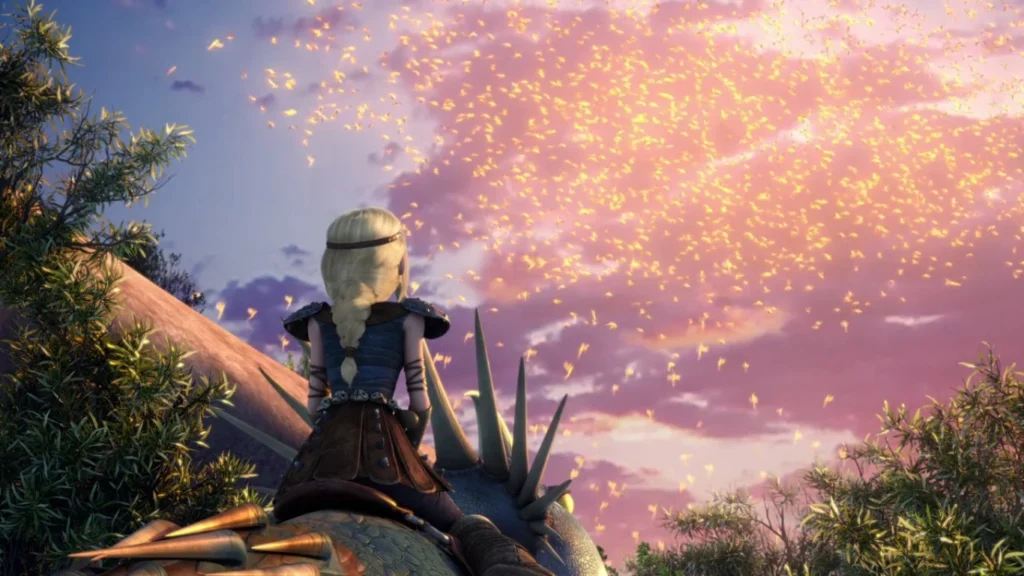
For a television series, the animation in Race to the Edge is impressively dynamic. Aerial sequences feel fluid and exhilarating, capturing the speed and danger of dragon flight. Stormy skies, glowing caverns, icy waters, and volcanic islands create a diverse visual landscape that makes the world feel vast and alive.
The Edge itself becomes a character ” evolving as the Riders build, defend, and define it. Combined with the expanding dragon mythology, the show deepens the sense that this universe stretches far beyond what we see on screen.

About the Author