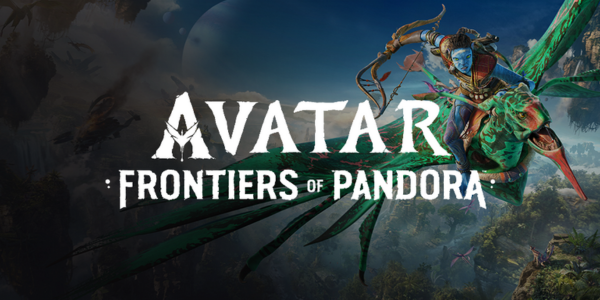
Avatar: Frontiers of Pandora isn’t just a game set in the world of Pandora ” it’s the closest players have come to truly living on the moon James Cameron created. Developed by Massive Entertainment and published by Ubisoft, the game shifts the perspective away from Jake Sully’s story. It places players directly into the role of a Na’vi, offering an intimate, immersive journey through one of cinema’s most beautiful worlds. Rather than retelling familiar events, the game carves out its own narrative, allowing Pandora itself to take centre stage.
A Story Rooted in Loss and Reclamation
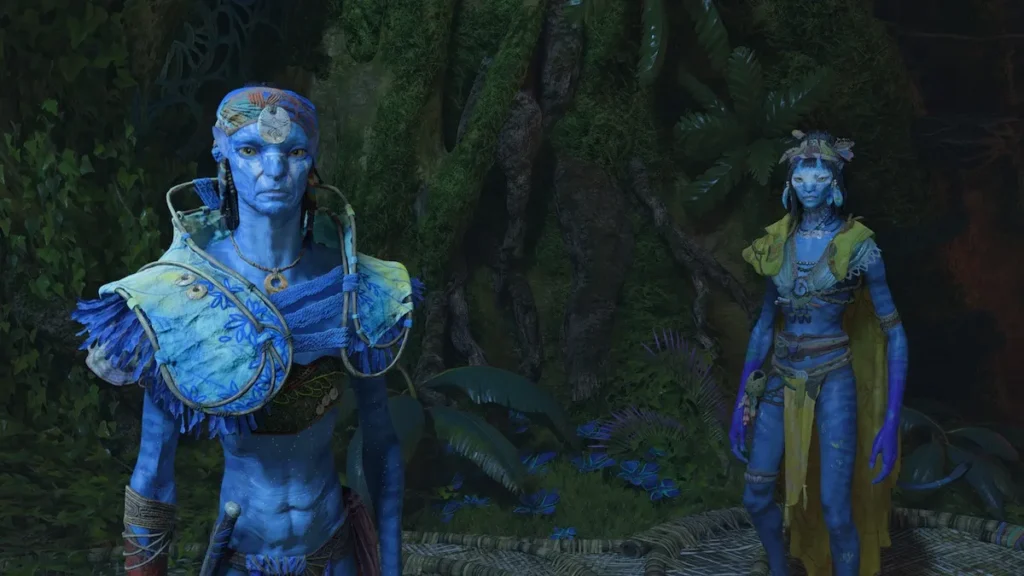
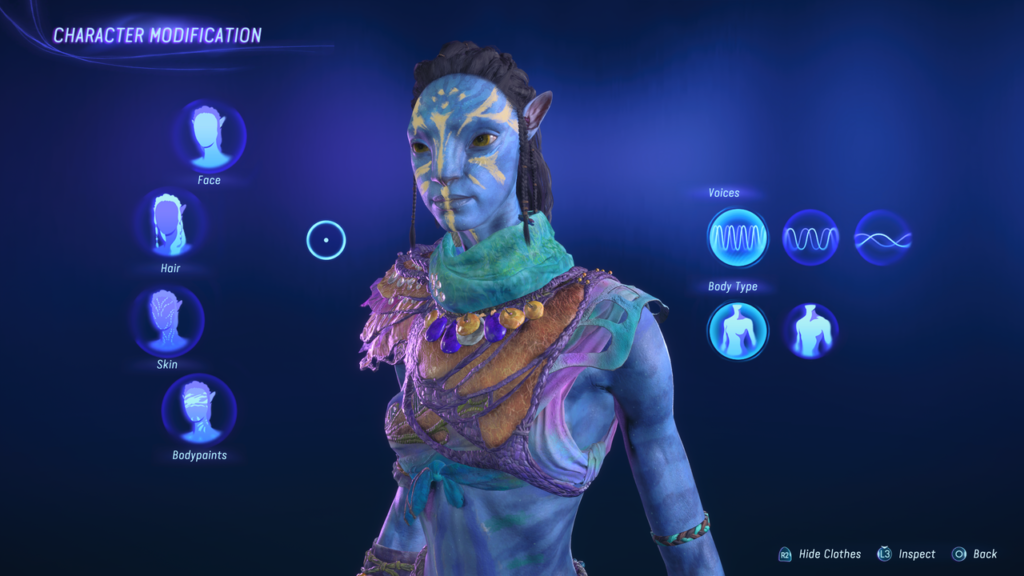
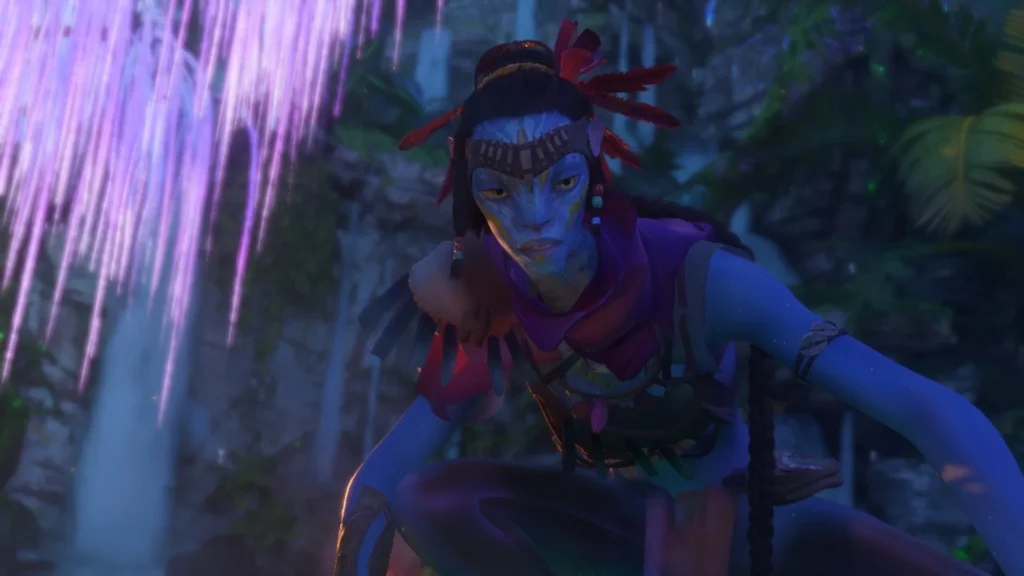
You play as a young Na’vi taken from their clan by the RDA and raised among humans, stripped of language, culture, and identity. Years later, you return to Pandora ” not as the person you once were, but as someone caught between two worlds.
This narrative framing gives Frontiers of Pandora emotional weight. It’s not just about fighting the RDA; it’s about reclaiming heritage, rebuilding connections, and rediscovering what it means to belong. As you reconnect with Na’vi clans and traditions, the story quietly explores themes of colonialism, environmental exploitation, and cultural survival.
Pandora as an Open World Experience
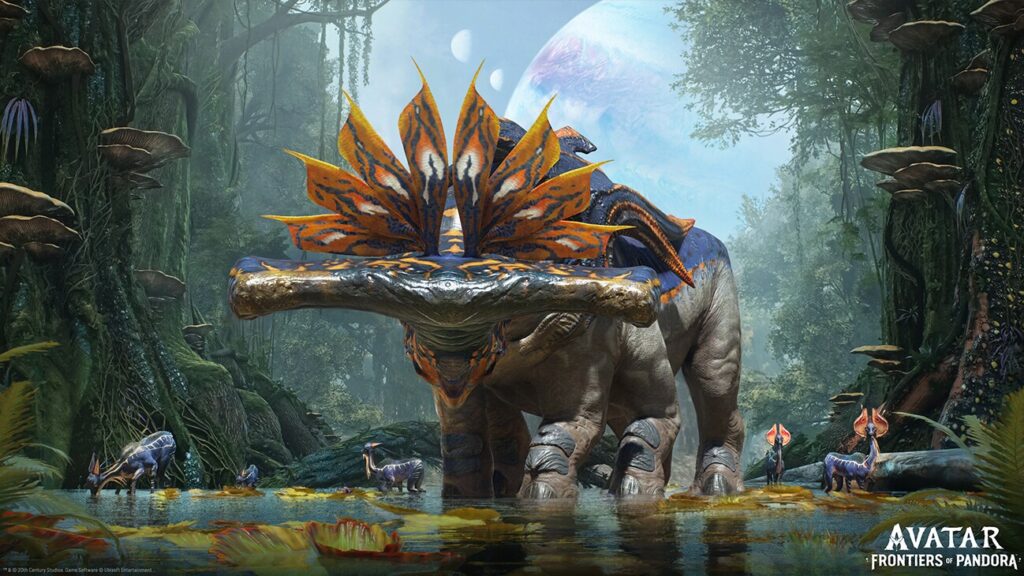
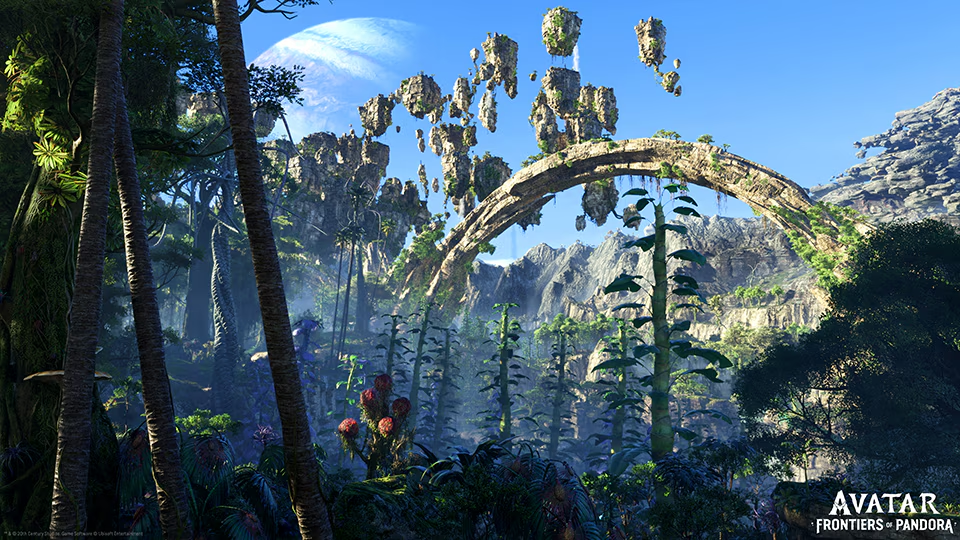
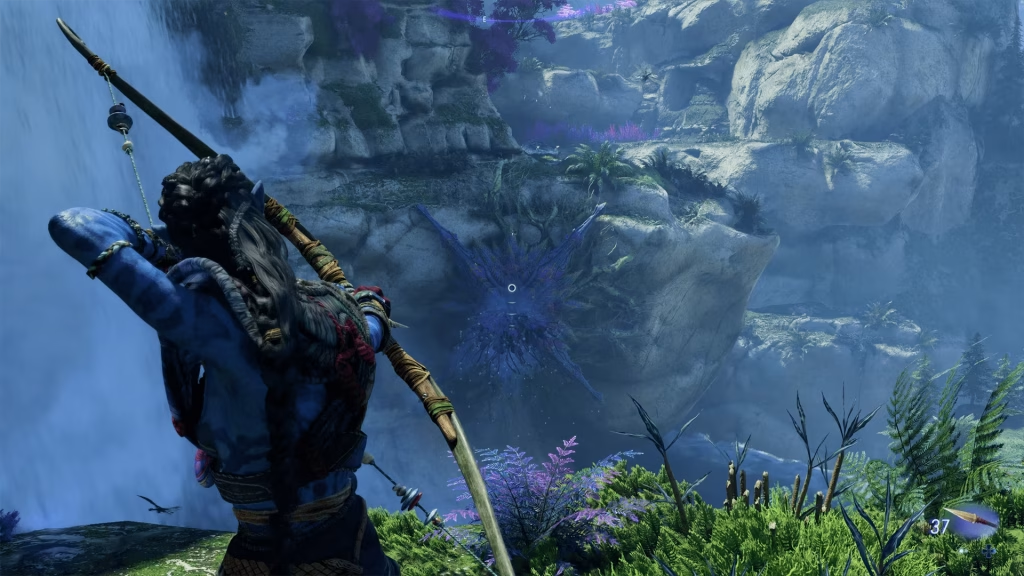
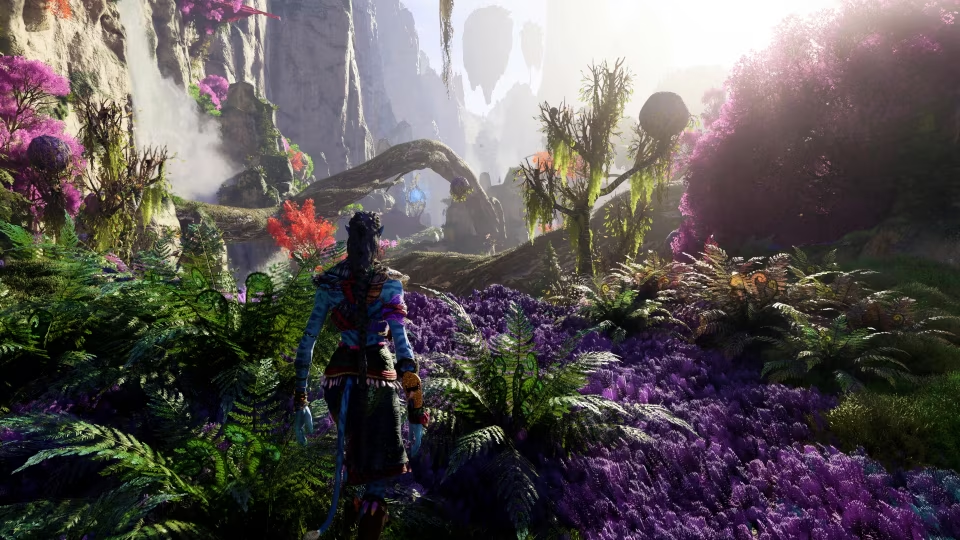
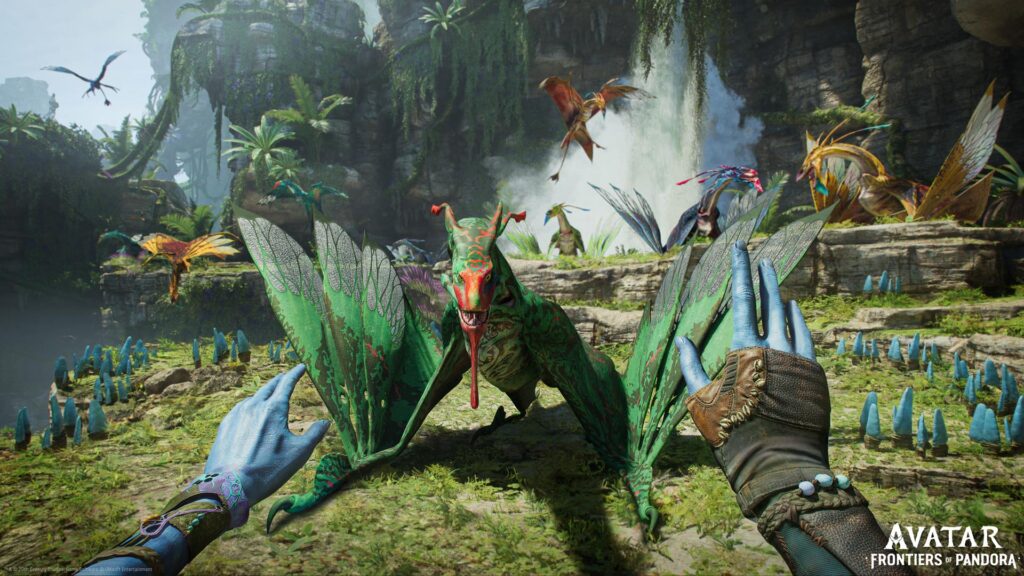
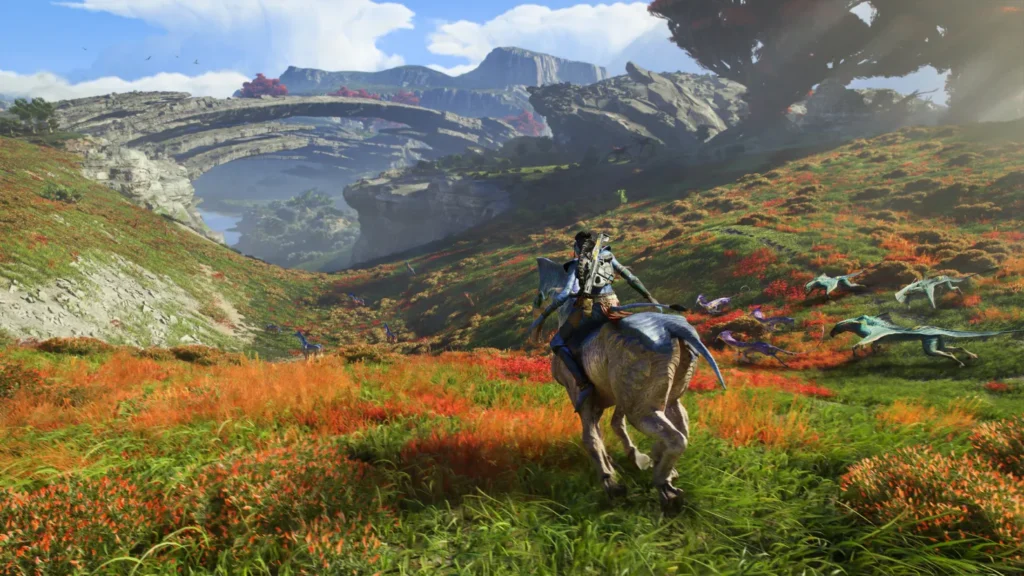
Pandora is breathtaking here. Dense jungles, towering cliffs, floating mountains, and bioluminescent flora stretch as far as the eye can see. The Western Frontier feels wild and untamed, filled with wildlife that behaves naturally rather than existing solely as obstacles.
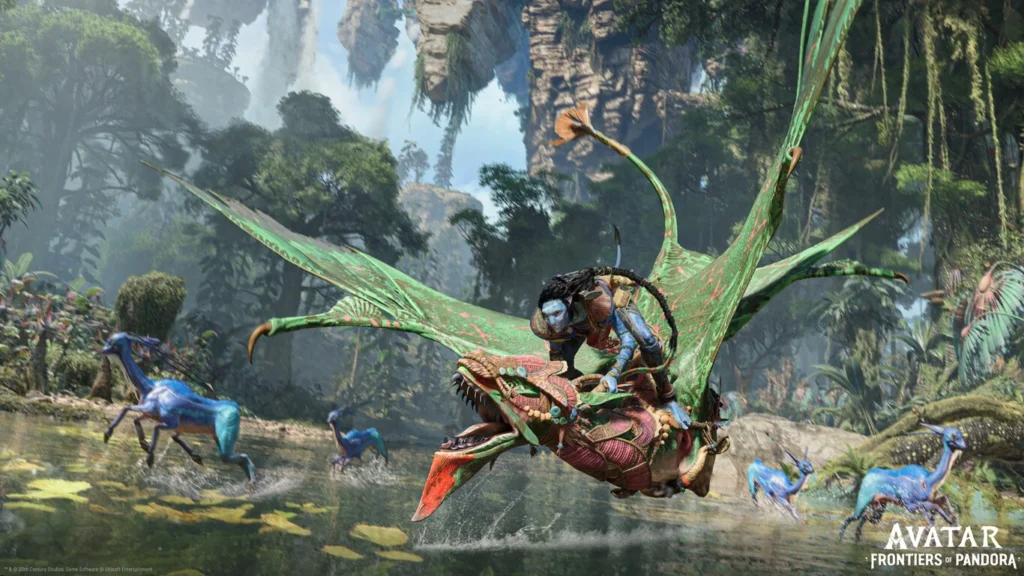
Traversal is a joy. Leaping across branches, scaling cliffs, and eventually taking to the skies on an ikran makes movement feel fluid and organic. Every step reinforces the idea that Pandora is alive ” and that you are part of it, not its master.
Exploration is rewarded not just with gear or upgrades, but with moments of quiet wonder: glowing plants at night, distant creature calls, and peaceful clan settlements tucked away from the chaos of RDA outposts.
Combat, Crafting, and Survival
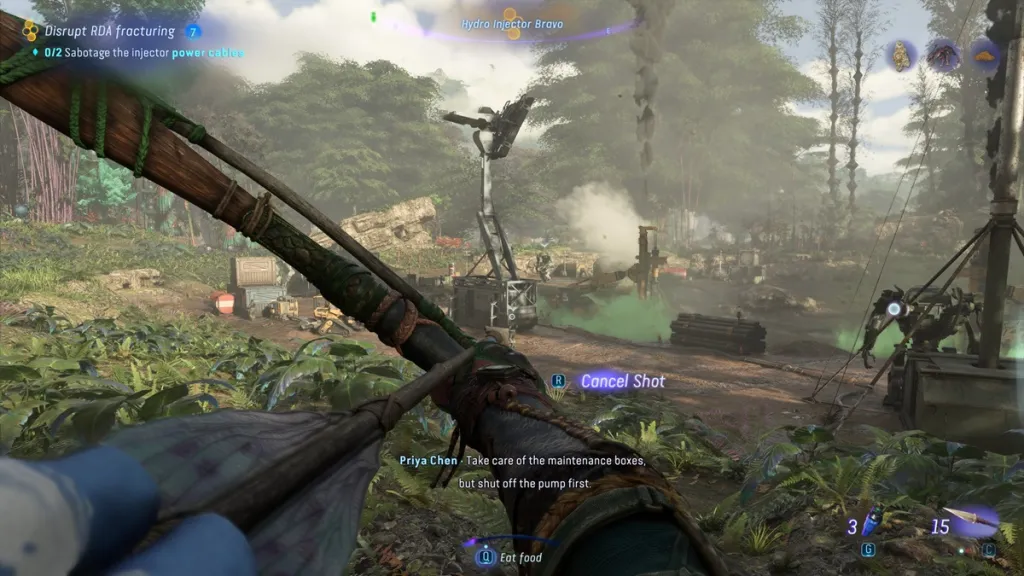
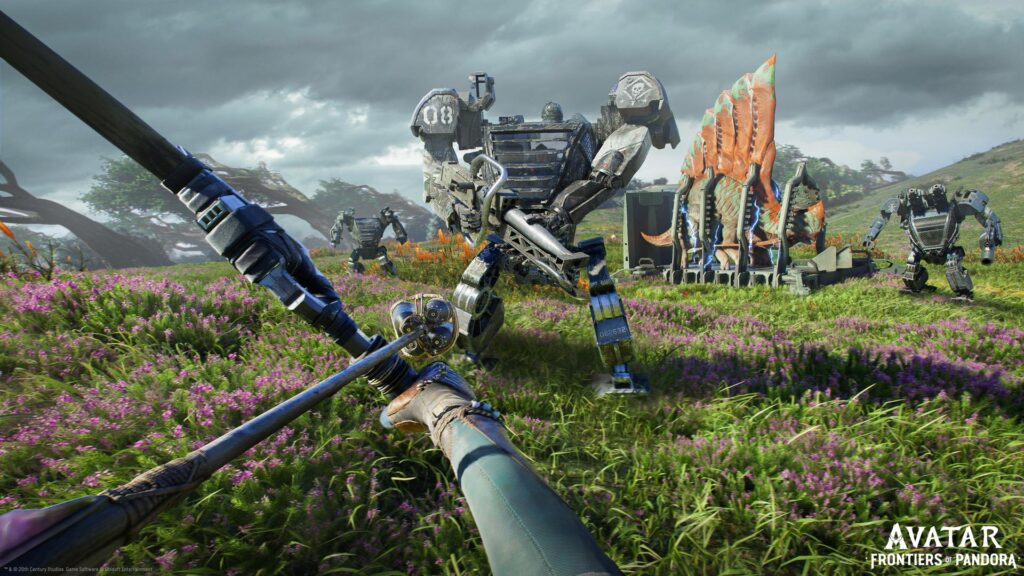
Combat blends Na’vi and human technologies. Traditional bows, spears, and stealth tactics contrast with captured firearms and RDA machinery. While gunplay exists, the game encourages players to rely on agility, precision, and environmental awareness rather than brute force.
Crafting and gathering play a central role. Materials must be harvested carefully to avoid damaging the ecosystem, reinforcing the game’s environmental themes. Your choices directly affect your relationship with the world, adding depth to otherwise familiar survival mechanics.
Visual and Audio Immersion
Visually, Frontiers of Pandora is stunning. Built on the Snowdrop Engine, the game captures Pandora’s scale and beauty with remarkable detail. Lighting, weather effects, and dynamic environments make the world feel constantly in motion.
The sound design elevates the experience further. Ambient wildlife noises, subtle musical cues, and the hum of the environment immerse players completely. When the music swells during flight or emotional moments, it reinforces the sense of wonder that defines Avatar as a franchise.
Strengths and Shortcomings
While Frontiers of Pandora excels in immersion and atmosphere, it isn’t without flaws. Some mission structures feel familiar to open-world veterans, and the narrative pacing can slow in places. However, these issues are often outweighed by the joy of exploration and the story’s emotional resonance.
The game shines brightest when it allows players to slow down, observe, and connect with Pandora ” moments that feel uniquely Avatar.
Final Thoughts
Avatar: Frontiers of Pandora succeeds because it understands what makes the world special. It’s not just the visuals or the technology ” it’s the feeling of connection, responsibility, and awe.
For fans of the films, this game is a dream realised: a chance to step into Na’vi skin and protect Pandora firsthand. For open-world enthusiasts, it offers a visually rich and emotionally grounded adventure.
Ultimately, Frontiers of Pandora isn’t about conquest ” it’s about belonging. And that makes all the difference.

Platforms: PC, PS5, Xbox Series X and Series S, Steam , UBISOFT
Publisher: UBISOFT
Developer: Massive Entertainment, UBISOFT
Played On: PC
About the Author