
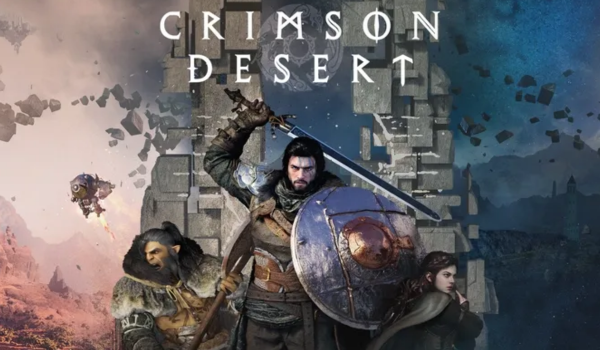
Coming from Pearl Abyss, the studio behind Black Desert Online, Crimson Desert shows years of experience building massive worlds and layered gameplay. This time, the team reworked their approach into a single-player open-world adventure instead of an MMO.
The world of Crimson Desert is set on Pywel, a massive, seamless fantasy continent marked by war-torn factions and diverse biomes. What stands out is how the continent feels continuous, not a patchwork of fantasy zones. Geography, politics, and conflict all blend naturally.
Crimson Desert breaks away from traditional fantasy tropes. We have a world that blends medieval fantasy with a sprinkling of steampunk and pre-industrial technology. Mythical races aren’t treated purely as distant monsters or background lore; they exist as part of everyday society. You’ll encounter them not just as enemies in the wild, but as citizens, scholars, and merchants.
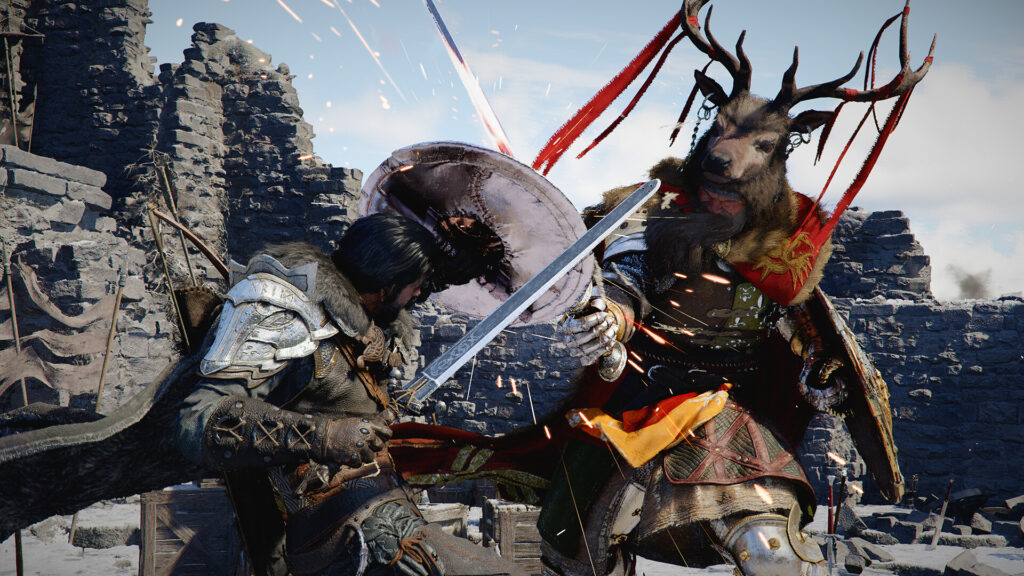
Kliff, The Greymane
You play as Kliff, a member of the Greymanes, a mercenary peacekeeping force from the northern regions that works for hire across the land. After being ambushed by a rival faction known as the Black Bears, Kliff survives under mysterious circumstances and sets out to reunite the scattered Greymanes while uncovering the truth behind his survival. What starts as a personal journey slowly grows into a much larger conflict that takes you across multiple regions throughout the world.
It’s important to understand that this isn’t an RPG in the traditional sense. It is an open-world sandbox action-adventure game. Crimson Desert feels like The Witcher 3: Wild Hunt, Red Dead Redemption 2, and The Legend of Zelda: Breath of the Wild had a baby. Not because it copies them directly, but blends all the ingredients into one massive experience.
Presenting The Story
The main story is split over a number of acts. Each act almost plays out like a ’story of the week,’ with its own beginning, middle, and end. Every region has its own conflicts, characters, and tone. But while the acts feel independent on the surface, they slowly build toward a much larger overarching plot in the background.
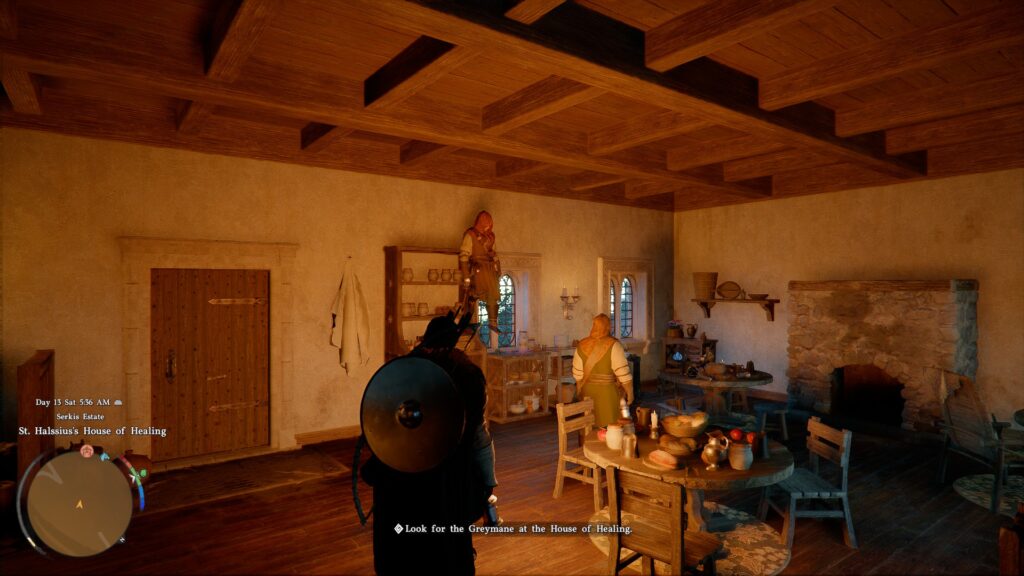
Finishing an act also never feels like closing a chapter. It usually feels like the game is just beginning again in a new area. Entire regions, mechanics, side activities, and systems suddenly open up, making the world feel bigger the longer you play. I didn’t even reach the actual ’Crimson Desert’ region until around 90 hours into the game, which gives you an idea of the scale of Crimson Desert.
This is one of the densest open worlds I’ve played in years. You can engage with it however you want: follow the main story, wander off exploring, experiment with side systems, or simply treat it like an action sandbox. That freedom is one of the game’s strongest qualities.
Combat in Pywel
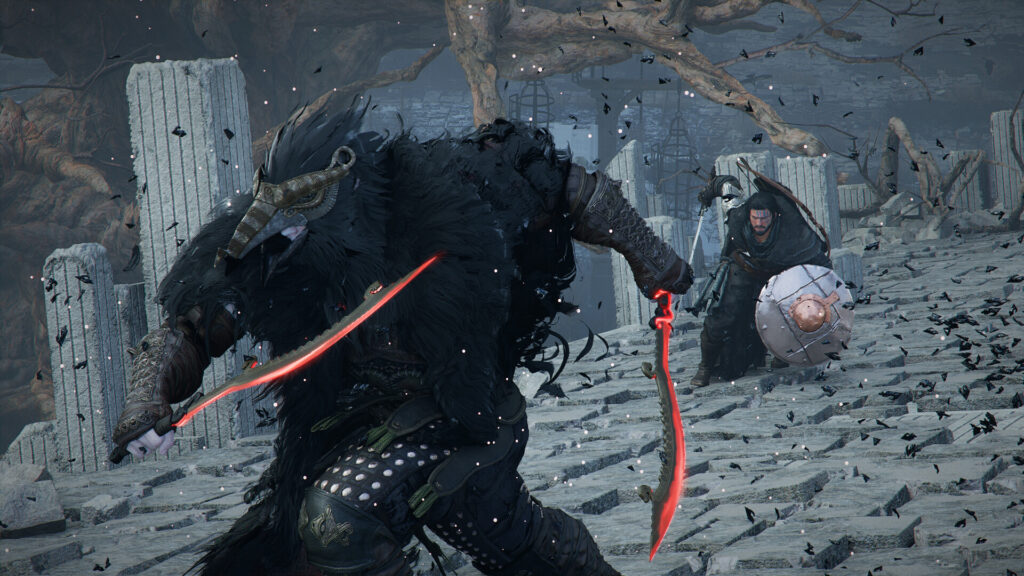
A huge part of that freedom comes from the combat system. You start the game with a sword and shield, and while you are completely free to stick with that setup for the entire adventure, you would be depriving yourself of just how much variety the game offers. There are spears, greatswords, dual-wielded swords, bows, and even flintlock firearms. Just to name a few.
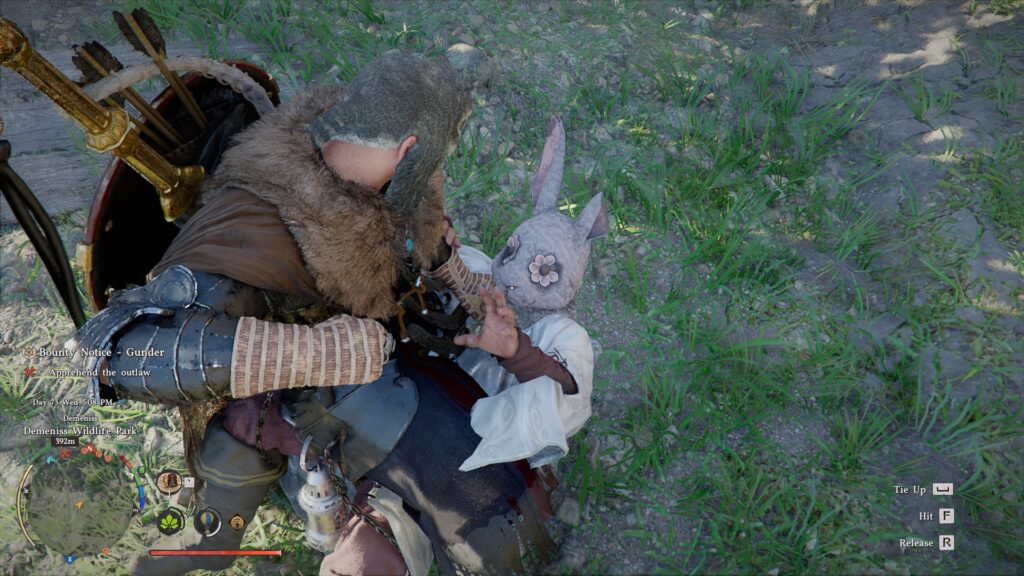
There’s also a surprisingly in-depth hand-to-hand combat system with advanced grappling mechanics that wouldn’t feel out of place in the WWE.
Combat isn’t pure button-mashing, thankfully. Holding the light or heavy attack buttons continues full combo chains automatically, with Kliff auto-targeting nearby enemies to keep fights flowing smoothly. Battles often end with brutal finishers that make every encounter feel heavy and cinematic. The combat system itself is flashy and satisfying, but it also creates this ’glass cannon’ feeling where you can deal devastating damage while also getting killed in just a couple of hits if you make mistakes. Boss fights, especially, can feel unforgiving until you fully adapt to how they want you to play.
Luckily, death is not a game over; you will respawn at the most local safe location or be given the option to retry a boss fight. There are even consumable items that can resurrect you on the spot if you so wish.
Controlling Kliff
Controlling Kliff felt a little off-putting at first because the game requires you to build entirely new muscle memory compared to most third-person action games. However, after a few hours, it felt surprisingly natural. One mechanic was making Kliff point directly at objects and characters in the environment by holding a shoulder button. This lets you interact with things much more precisely, without relying on awkward pixel hunting.
What makes this system even more clever is how many additional options it opens up. For example, you can walk into a shop and simply buy something normally, but the precision interaction system also allows you to intentionally steal it instead. It sounds like a small detail, but it removes that frustrating ’I accidentally picked this up, and now the entire town wants me dead’ problem that so many open-world games still struggle with.
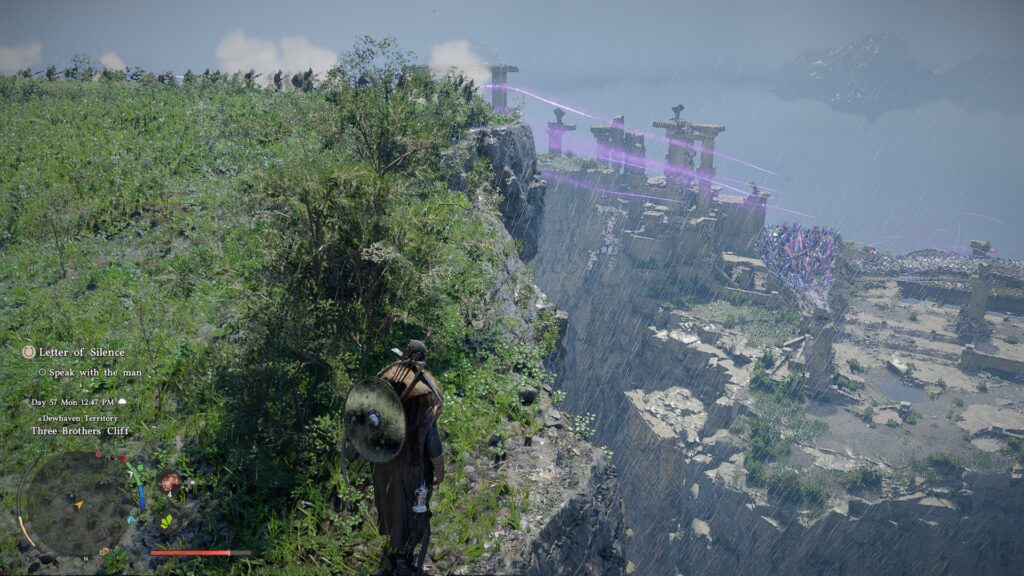
Kliff also has a lot of vertical mobility. You can climb most walls and scalable surfaces almost immediately, but the movement system expands dramatically as the game progresses. Very quickly, you unlock a glide mechanic, and with the right stat investment, even a grappling ability that lets Kliff rapidly pull himself across rooftops or practically Spider-Man his way around parts of the environment.
Chasing Those Artifacts
Progression mostly comes in the form of collecting ’Abyss Artifacts.’ These essentially function as skill points that can be slotted into a large stat tree to unlock entirely new abilities or strengthen existing ones. Artifacts come from almost everywhere: quest rewards, exploration, optional challenge dungeons, hidden discoveries in the wild, or simply by gaining experience and filling progression bars through normal gameplay.
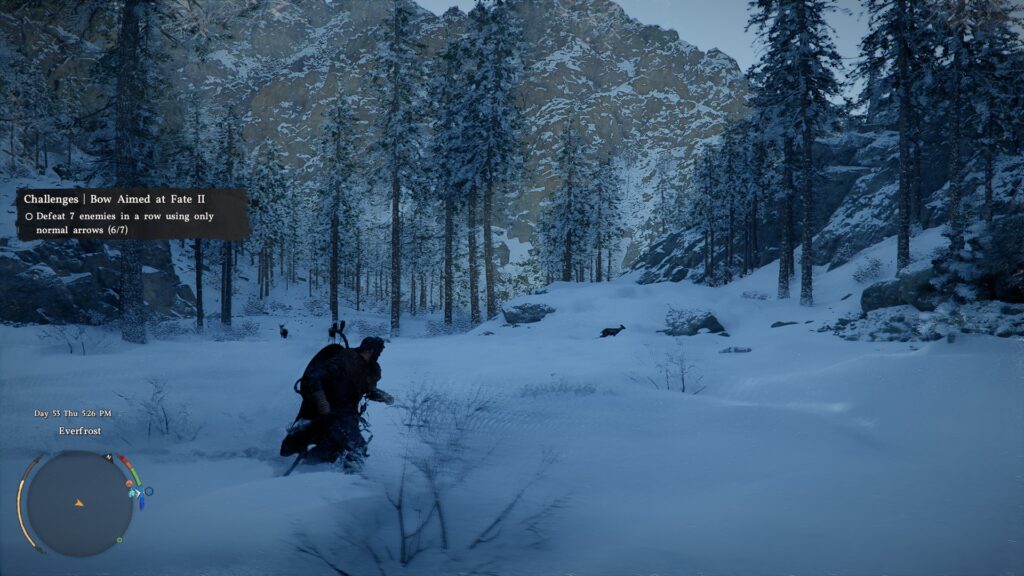
Some locked artifacts are found at crossroads scattered throughout the world. These offer objectives that can vary wildly depending on the challenge itself. One might ask you to get a certain number of kills with a specific weapon type, while another could demand crossing huge portions of the map within a strict time limit. It adds another layer of exploration because you never quite know what type of challenge you might uncover.
One of the more interesting systems allows characters to actually learn skills through observation. During combat or scripted encounters, the screen can suddenly slow down and darken while highlighting a nearby move. If you successfully observe it, the ability becomes learned for that character. Even better, if you had already spent an artifact unlocking that same skill manually, the game refunds the point back to you so it can be invested elsewhere.
The progression system also strikes a nice balance between shared and character-specific growth. Core upgrades like Health, Stamina, and Spirit are universal across the roster, but each character’s unique combat abilities still need to be learned individually. It gives every playable character a distinct identity without making progression feel overly repetitive.
A Band Of Brothers
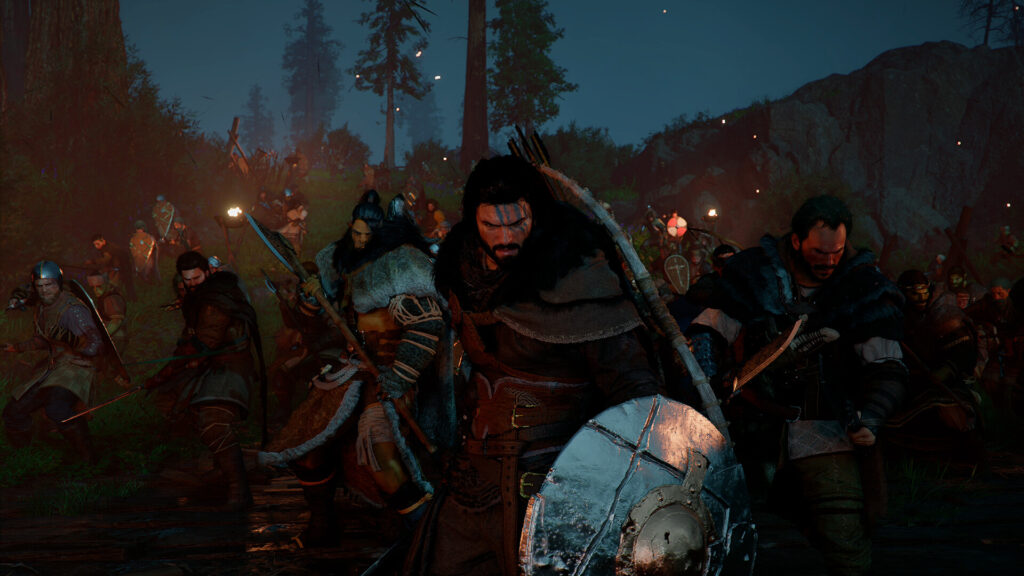
As the story progresses, you also unlock alternate playable characters. Damiane specialises in rapiers and pistols with a much faster, more agile fighting style, while Oongka focuses on heavy two-handed weapons and a handheld cannon that turns him into a powerhouse. Depending on the story, you can freely switch between these characters or simply have them accompany you as AI companions during exploration and combat.
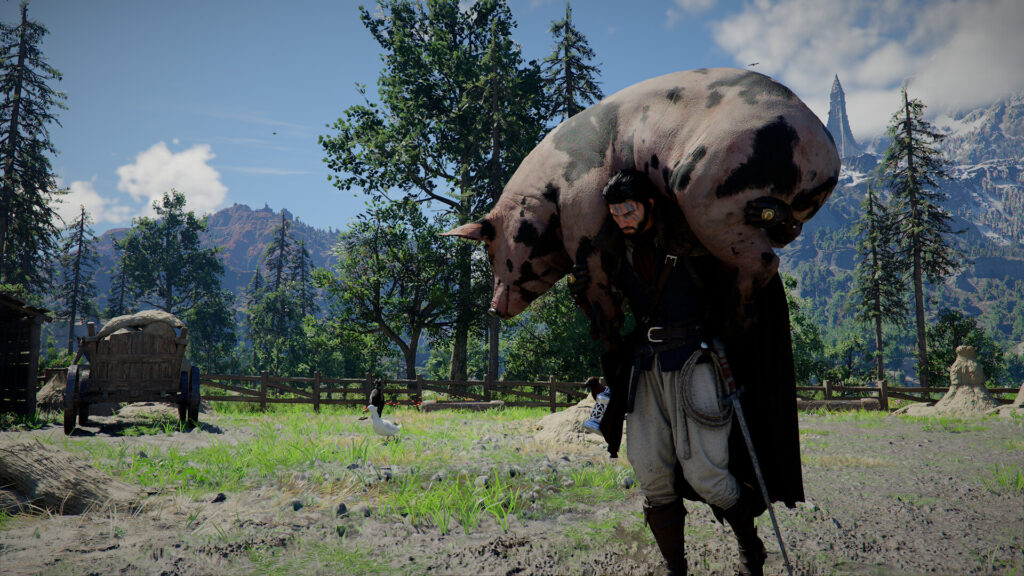
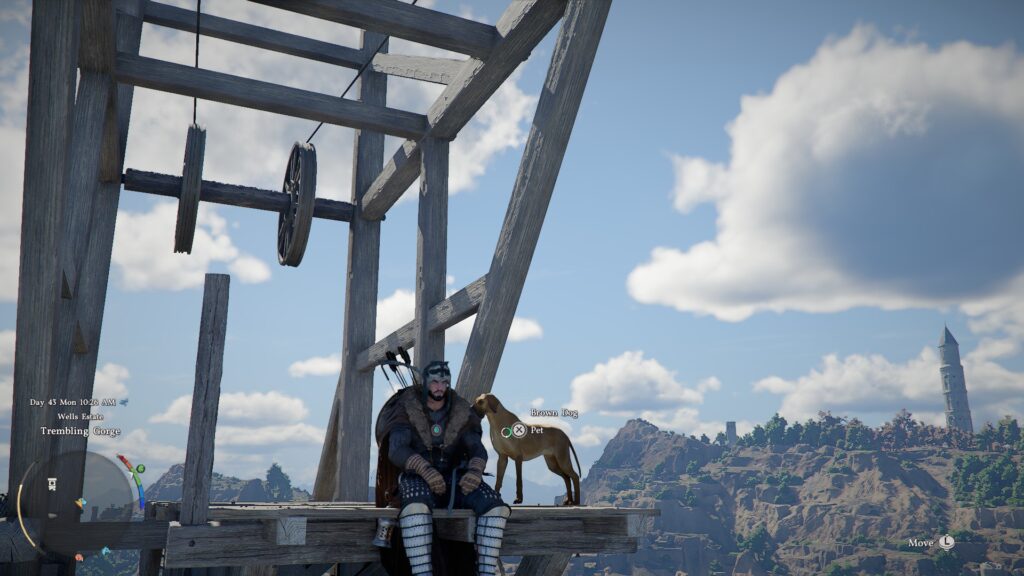
The world of Crimson Desert is incredibly interactive. Wildlife plays a much larger role than you expect. You can actually befriend a huge number of animals throughout the game. Your horse naturally becomes your primary method of transport, but cats and dogs can also accompany you and even loot bodies after fights.
One of the funniest moments for me came when I discovered I could ride a bear after sneaking up behind it. Unfortunately, I hadn’t actually tamed it properly, so the second I dismounted, I was immediately mauled to death. Another time I got eaten by a bush! It’s these moments of randomness that really gave Crimson Desert its charm.
Pywel is a Living Breathing World
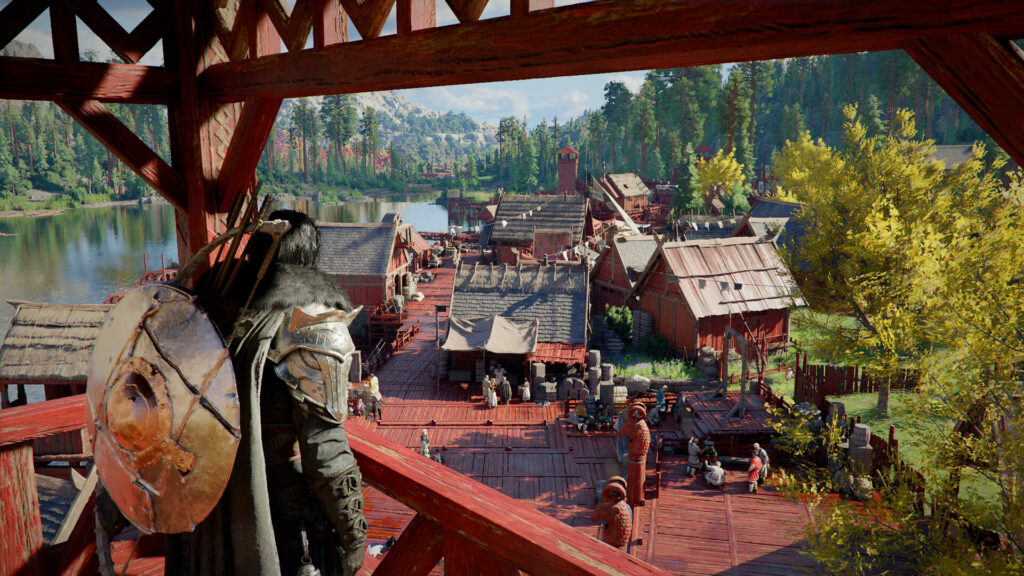
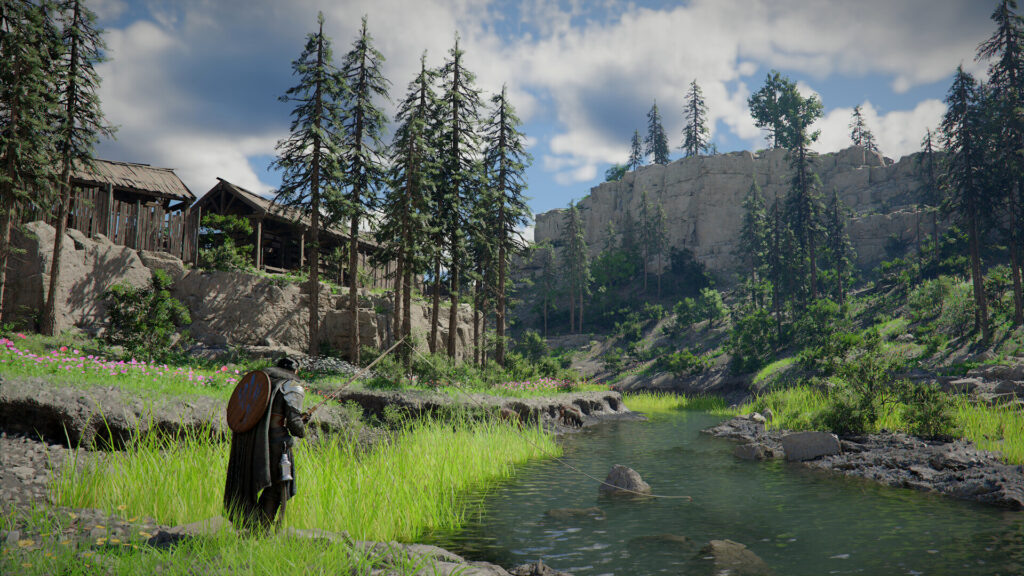
The amount of side content packed into the game is honestly staggering. At first glance, it has many of the activities you would expect from a modern open-world game: civilians needing favours, bounty contracts to hunt down, fishing, gambling dens, and fight clubs. But the deeper you get into the world, the more layered these systems become.
You can build relationships with regional nobility, with each noble house offering its own questlines and rewards. There’s also an entire camp management system where you gradually develop your home base, find your scattered comrades, and can send them out to settlements you’ve previously visited in order to gather resources and generate income over time.
You can invest money through banks and stocks, or physically transport trade goods between cities and hubs yourself, escorting cargo across the world while dealing with whatever dangers arise along the way. It constantly feels like Pearl Abyss kept adding entire gameplay systems that could have carried smaller games on their own.
Looking Pretty
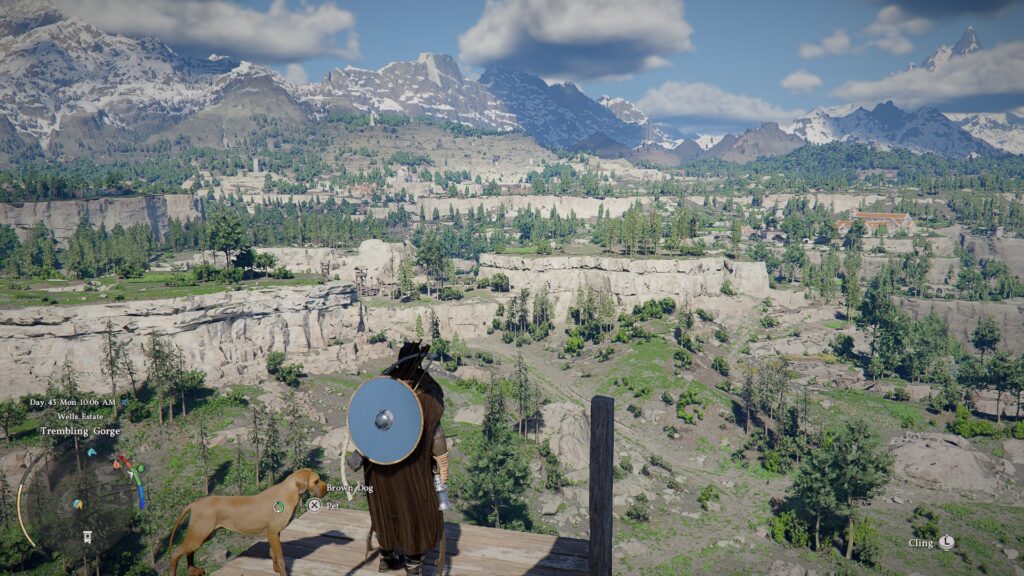
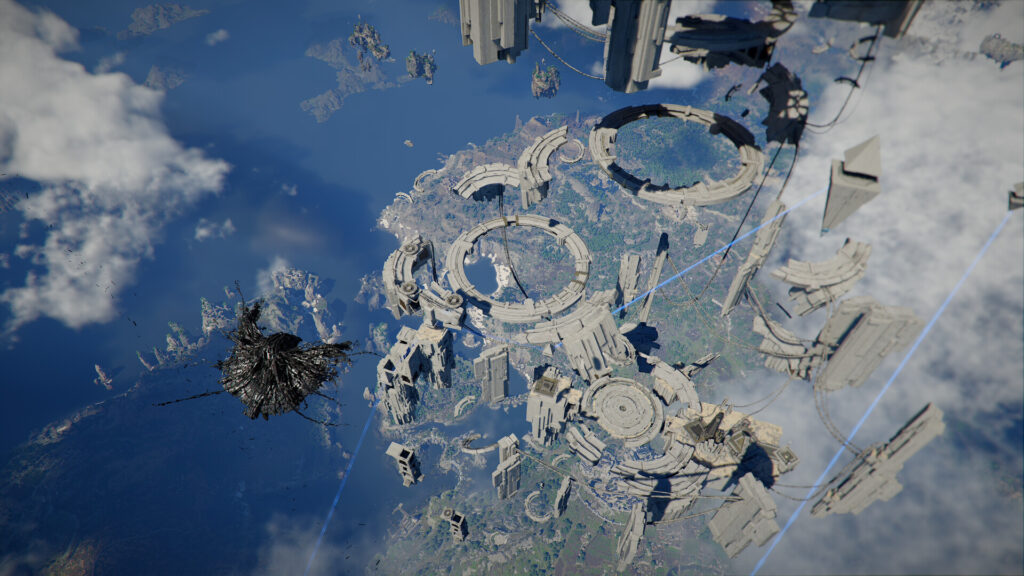
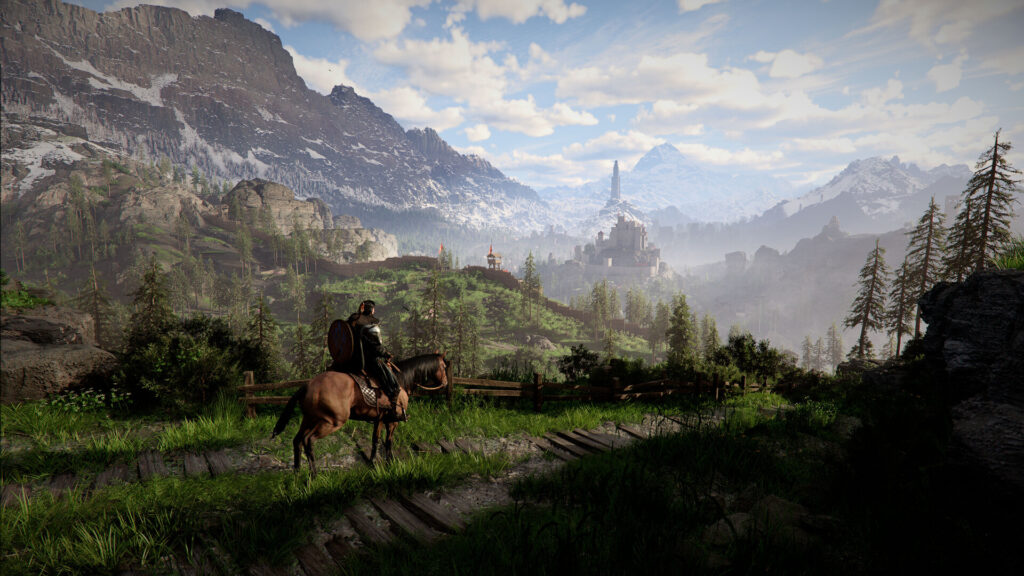
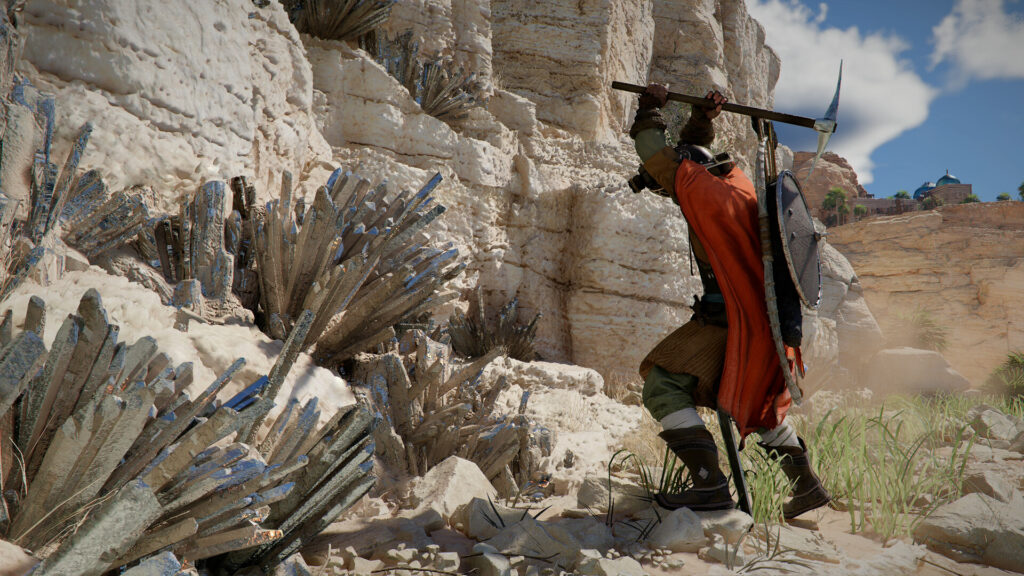
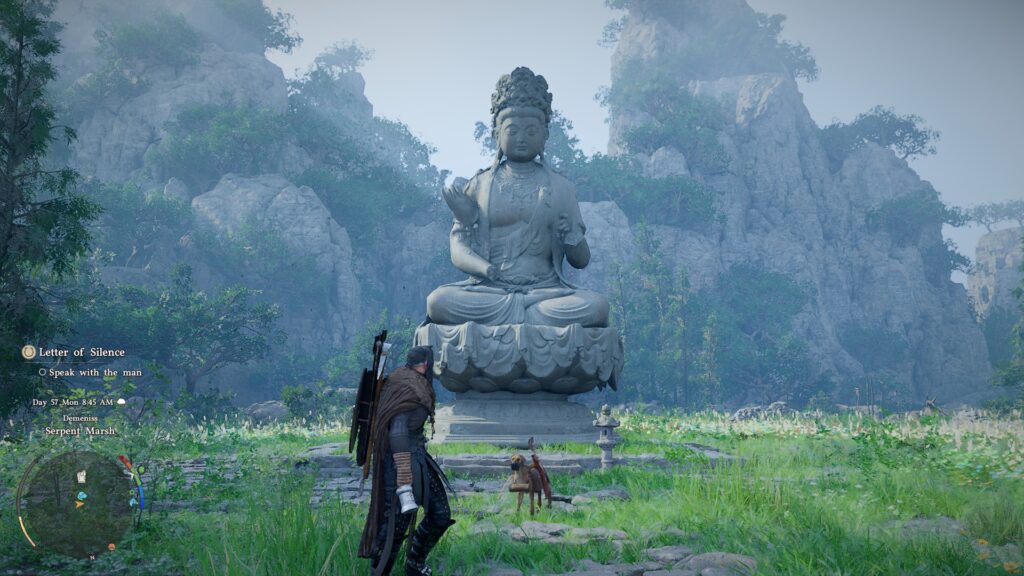
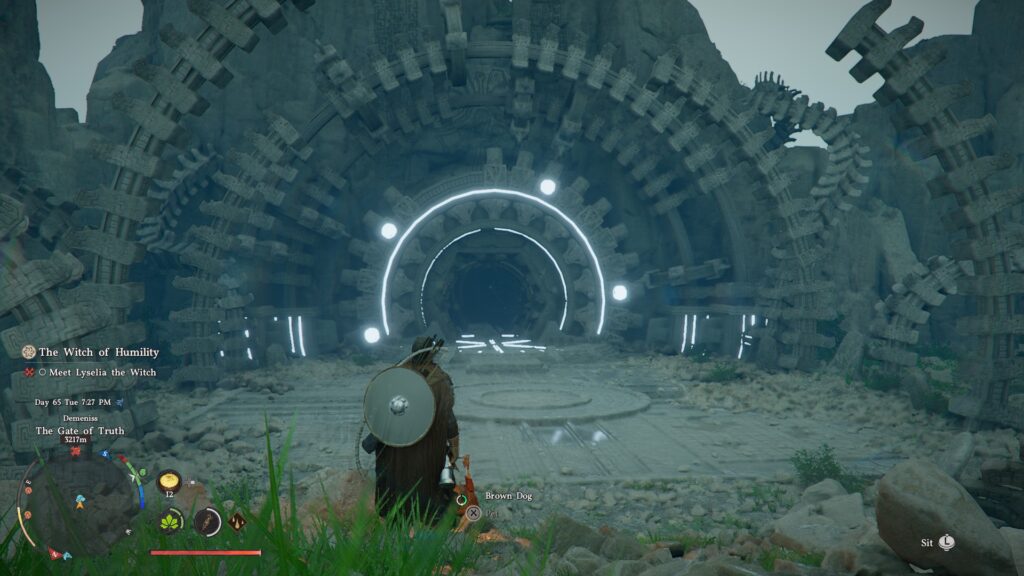
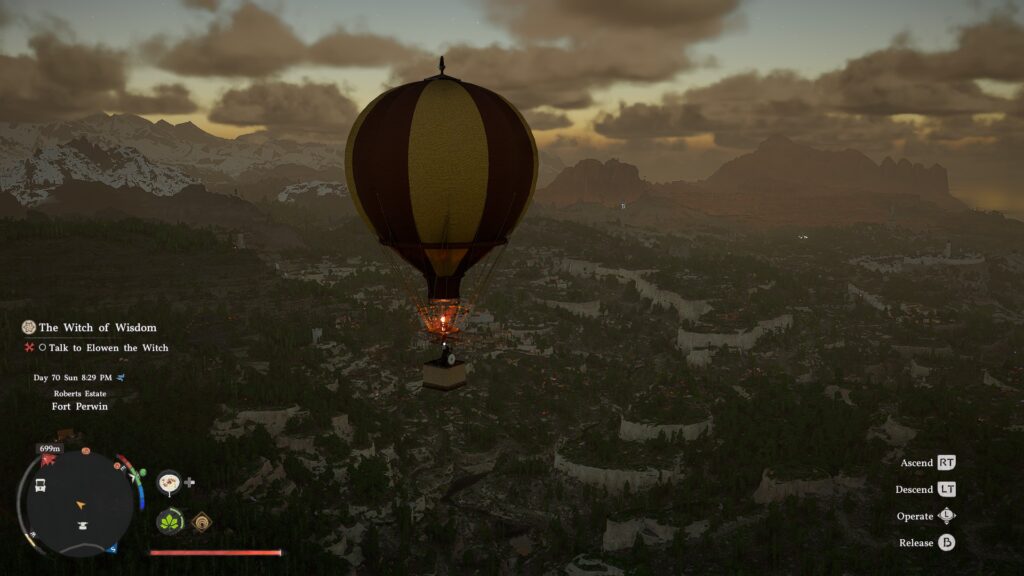
Graphically, Crimson Desert is genuinely gorgeous. Pearl Abyss’s in-house BlackSpace Engine is doing some kind of black magic to render a world this large while still packing in so much detail. The game pulls a clever trick early on by showing the entire world from an elevated perspective to convey its awe-inspiring scope.
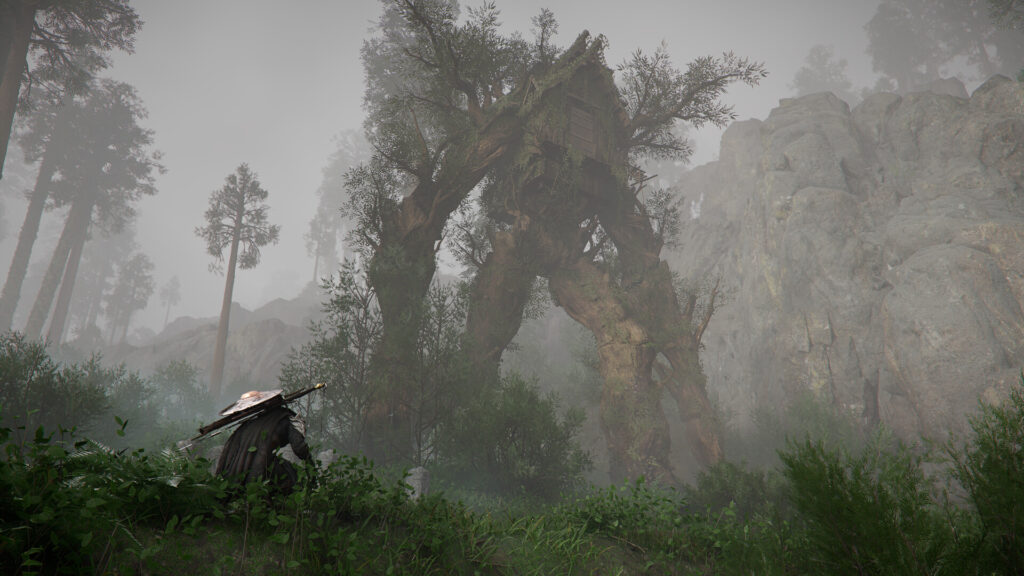
The game’s biomes also transition into each other in a way that feels natural, giving the world a strong sense of continuity as you travel. Character models look similar but have enough variation that I don’t think I ever saw the same face repeated across NPCs, even in crowded settlements.
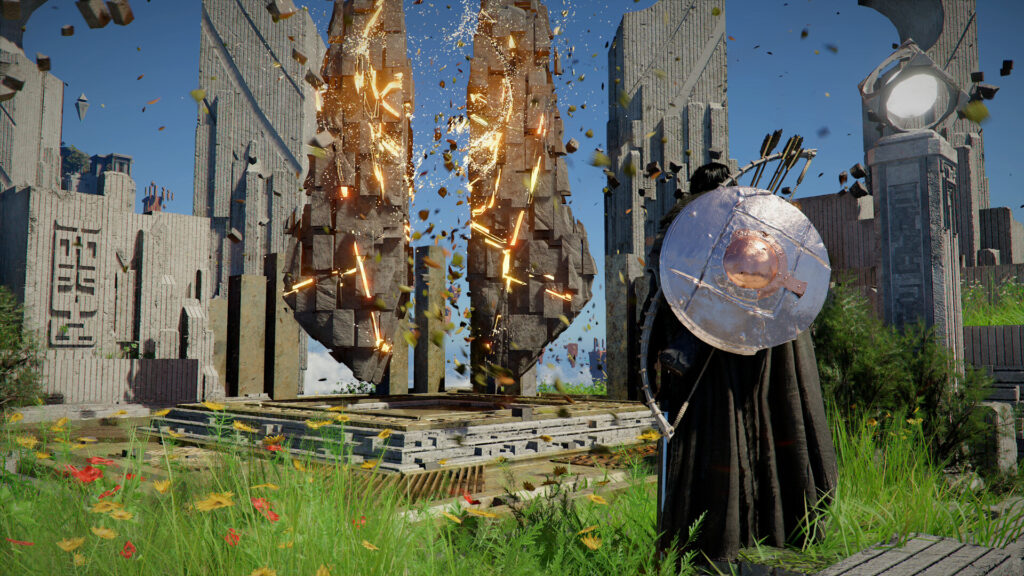
There’s a staggering number of particle effects layered into combat and traversal, whether it be foliage blowing in the wind or magical effects lighting up the battlefield. Wind visibly pushing through trees and foliage, rainfall that feels present rather than just layered on top, and a day-night cycle that smoothly shifts the world’s mood without ever feeling abrupt.
If there’s one downside, it’s the dynamic lighting system. It often looks incredible, but in some areas, it leans a bit too heavily into bloom, to the point where the screen can feel slightly overexposed in certain moments.
Music To Your Ears
The music leans heavily into strong fantasy orchestration, especially during combat, where it has a similar energy to The Witcher, driven by sweeping string sections and escalating intensity that matches the pace of fights without overpowering them. It gives battles a constant sense of momentum.
Crimson Desert has a full professional voice cast. While not full of traditional actors you might expect, they all deliver fantastic performances.
Towns and settlements feel grounded and alive. Instead of silence or looping ambient noise, you get a bustling soundscape of chatter, market activity, distant tools, and general movement that makes each location feel inhabited.
The sound design in combat has every weapon type carrying a distinct weight and impact. Hits feel appropriately brutal, especially when paired with the game’s finisher animations, which land with a satisfying audio punch that reinforces the cinematic style of combat.
Its Not All Rosy
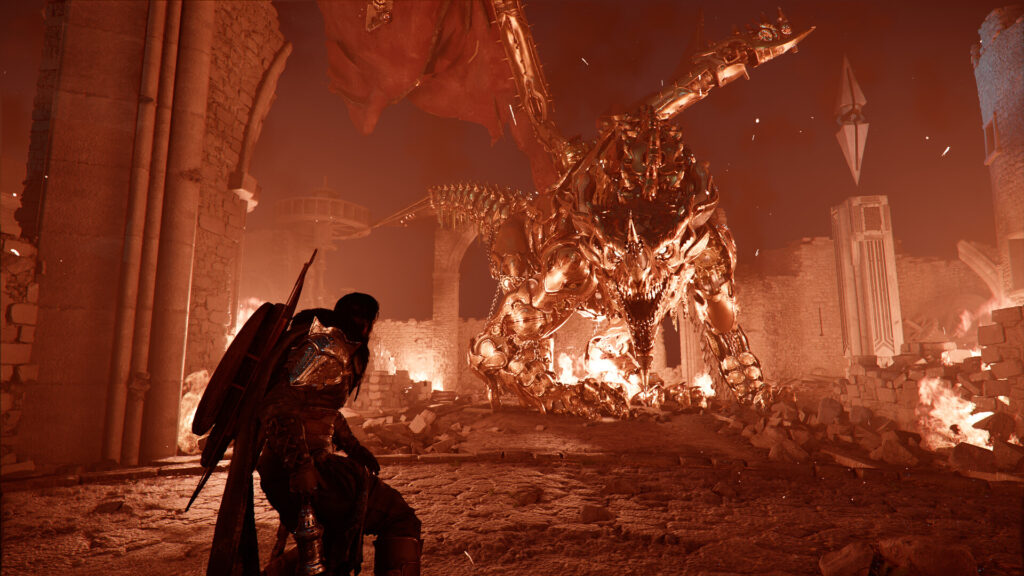
One of my biggest complaints was from the sudden difficulty spikes during boss encounters. You can spend hours comfortably fighting groups of regular enemies, only for the game to suddenly lock you into an arena against a boss that massively outscales everything you’ve faced before. These fights demand completely different tactics, much tighter timing, and can burn through your healing and resources incredibly fast.
My other criticism is that many of the game’s best systems take a very long time to fully open up. Some mechanics are heavily tied to the main story progression, and the early hours honestly undersell how much depth the game actually has. You can eventually unlock character customisation, for example, but only after hours of investment in the camp.
While Crimson Desert has a whole tab to discoveries and information to peruse at your leisure, it doesn’t always signpost what to do. This usually isn’t a bad thing, as games can sometimes overexplain systems. But I don’t recall the game explicitly telling me that healing was tied to food, so carrying a gargantuan amount of home-cooked meals is almost a necessity.
But once everything starts connecting together, Crimson Desert becomes incredibly rewarding. The deeper you get into it, the more the world unfolds, and it constantly feels like there’s more to discover.
Pearl Abyss hasn’t been idle post-launch either. The studio has already rolled out a steady stream of balance updates and gameplay improvements, including the removal of some aggressive AI-generated placeholder assets, alongside new features and refinements that continue to evolve the experience over time.
Final Thoughts
Crimson Desert was a hard game to review, not because of its quality, but because of its sheer quantity. There are undoubtedly things I’ve missed in writing this, which in itself says a lot about just how dense Crimson Desert is. I didn’t even mention, for example, that you can play the entire game in first-person if you choose.
But the bottom line is simple: if you enjoyed any of the games I’ve compared Crimson Desert to, and you’ve been waiting for something that can genuinely hold -and keep- your attention, then I highly recommend it.

Developer: Pearl Abyss
Publisher: Pearl Abyss
Platforms: PlayStation 5, Xbox Series X and Series S, macOS, GeForce Now, Microsoft Windows, Mac operating systems
Played on PC
About the Author

Fantastic review. Really sounds like a lot of Black Desert’s DNA and lessons made it into Crimson Desert, (including lessons that should have been learned like explaining mechanics better).
Really feels like the fact that this was intended to be an MMO originally shows, and the fact that PA have distilled that into a single player experience is pretty impressive in my opinion, I’ve had the game on my radar since long long before release and everything I hear about it post release is making it sound like a better and better idea.