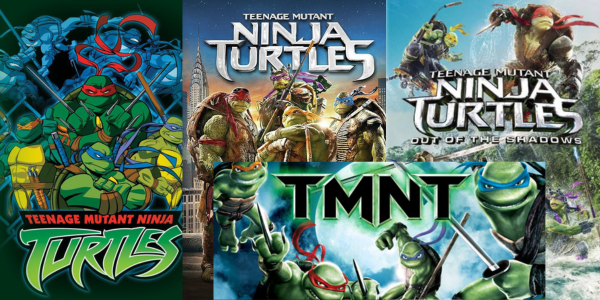
From the 2003 TV series to the 2007, 2014, and 2016 movies, the Teenage Mutant Ninja Turtles returned with a renewed sense of adventure and character. These adaptations balanced thrilling action with humour and heartfelt moments, showing the turtles not just as heroes in a half-shell, but as brothers with distinct personalities and emotional depth.
The 2003–2010 TV Series: Darker, Smarter, and Emotionally Resonant
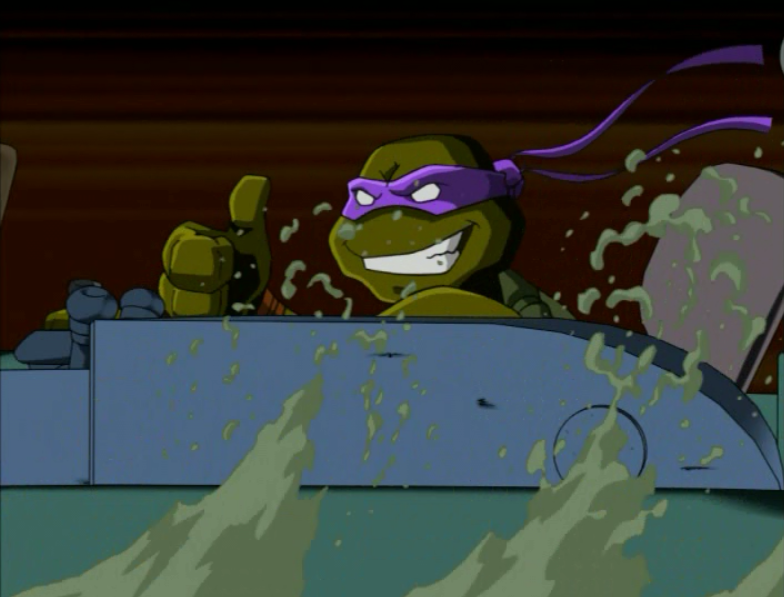
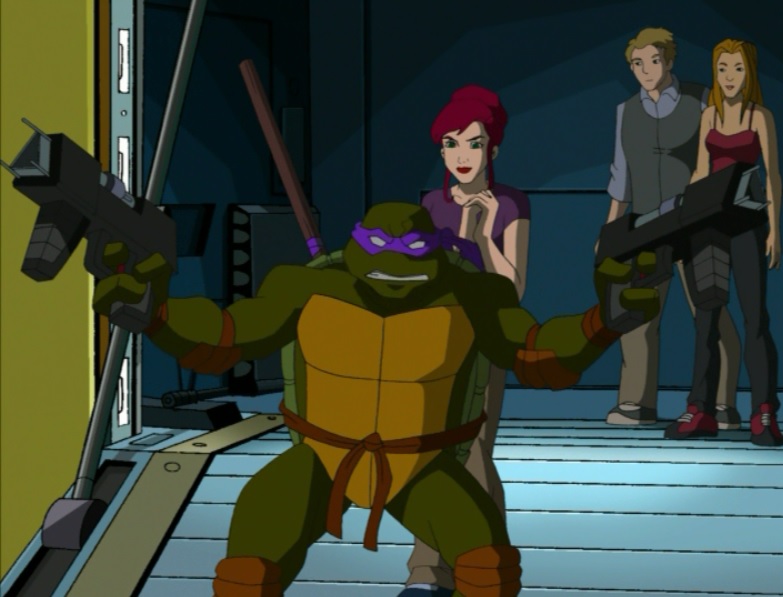
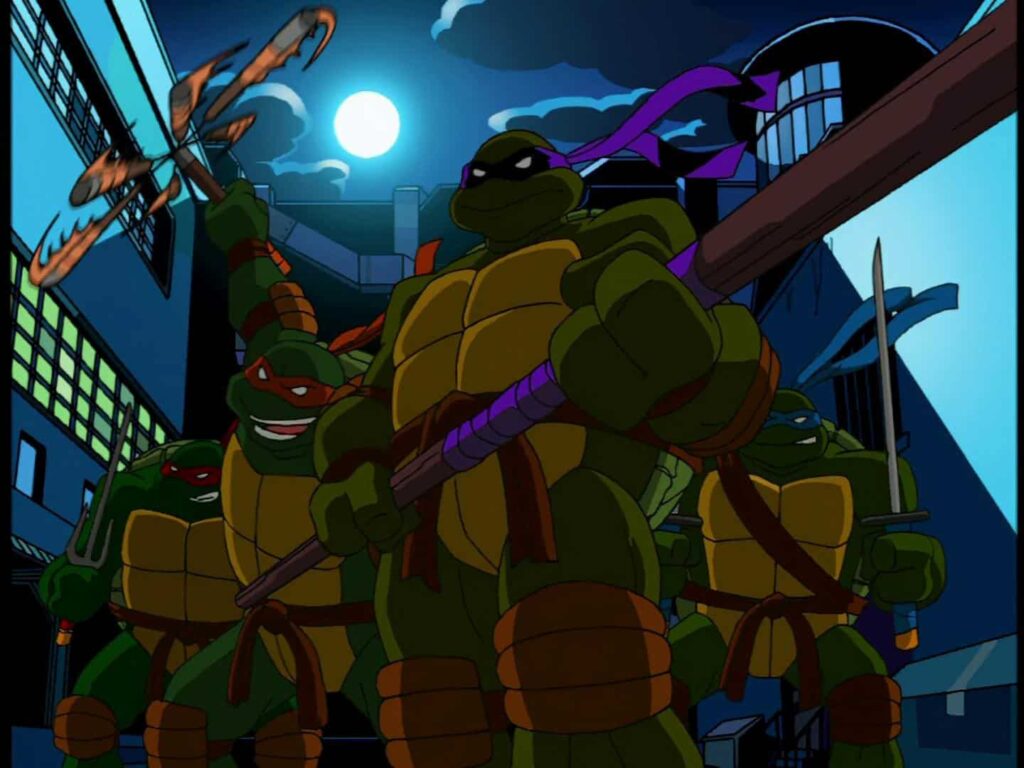
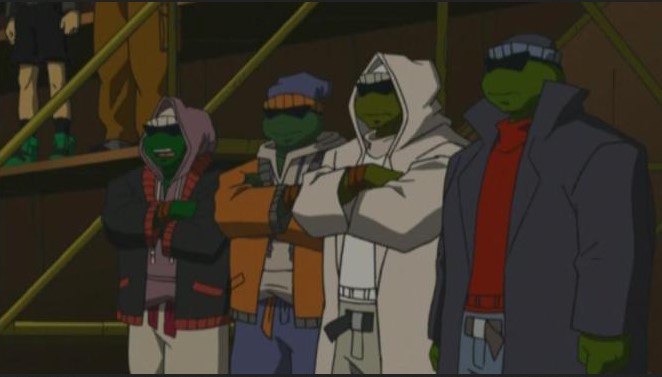
The 2003 animated series reboot presented a darker, more mature take on the turtles while still appealing to younger audiences. Leonardo, Michelangelo, Donatello, and Raphael were given distinct personalities and growth arcs that explored leadership, responsibility, and brotherhood.
The series also expanded the Teenage Mutant Ninja Turtles universe, introducing complex villains beyond the Shredder, including the Foot Clan hierarchy, Baxter Stockman, and the Triceraton Empire. Episodes balanced high-stakes action with moral lessons, showing that courage, loyalty, and teamwork are essential in overcoming challenges.
Fans appreciated the more serious tone, character-driven stories, and animation style, which mixed dynamic fight choreography with expressive character work. This series solidified the turtles as multidimensional heroes, capable of both humor and heartfelt moments.
The 2007 TMNT Movie: CGI Adventure Meets Classic Charm
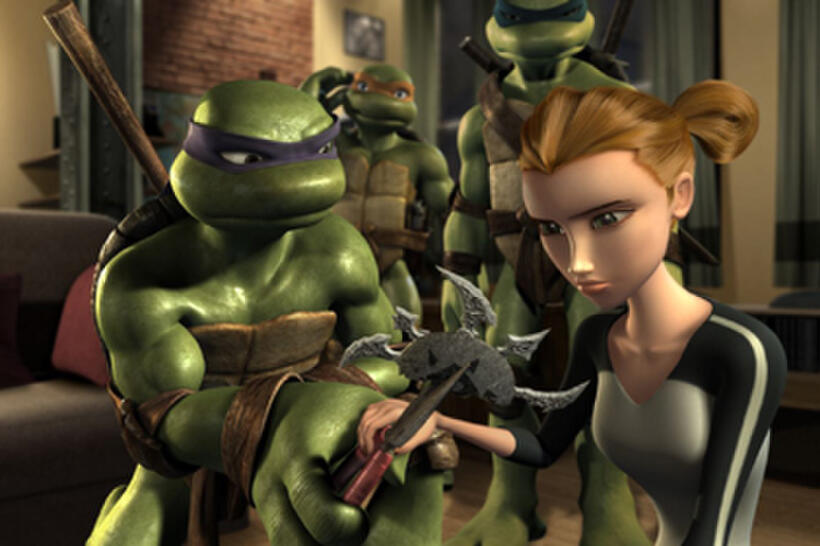
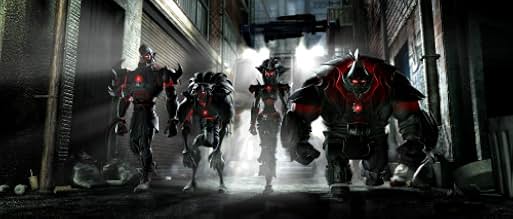
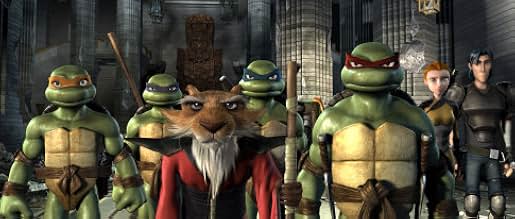
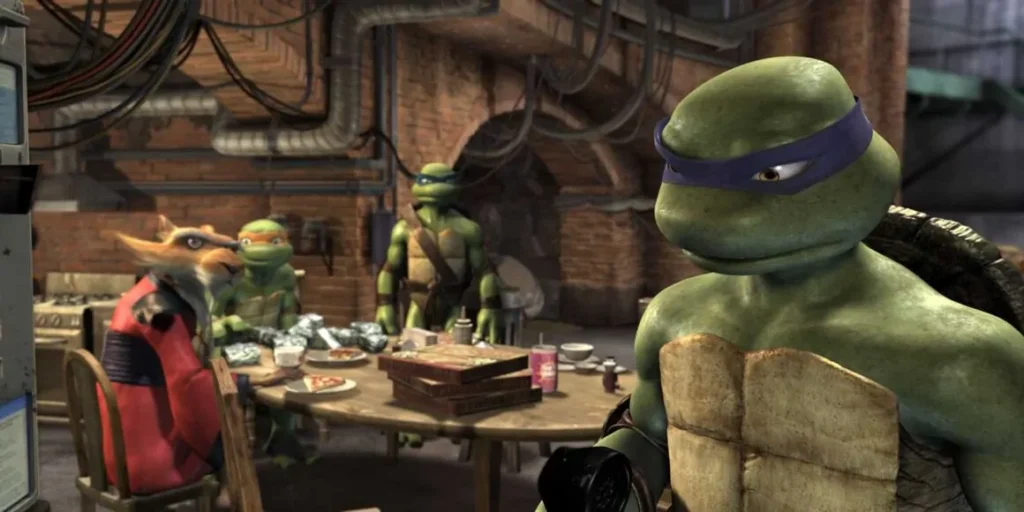
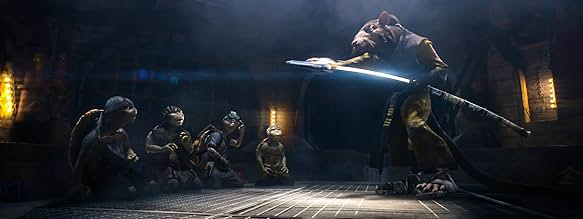
The 2007 movie brought the turtles to the big screen with a fully CGI approach, blending action and comedy for a family-friendly experience. While the film leaned into humour, it retained the core themes of teamwork, family, and heroism that defined the TV show.
Viewers saw the turtles navigating New York’s rooftops and sewers with signature style, facing Shredder and other villains in exciting sequences. The movie was a bridge between the TV series and new audiences, introducing the turtles to a generation that may not have grown up with the cartoons.
The 2014 and 2016 Movies: Live-Action Reboots for a New Generation
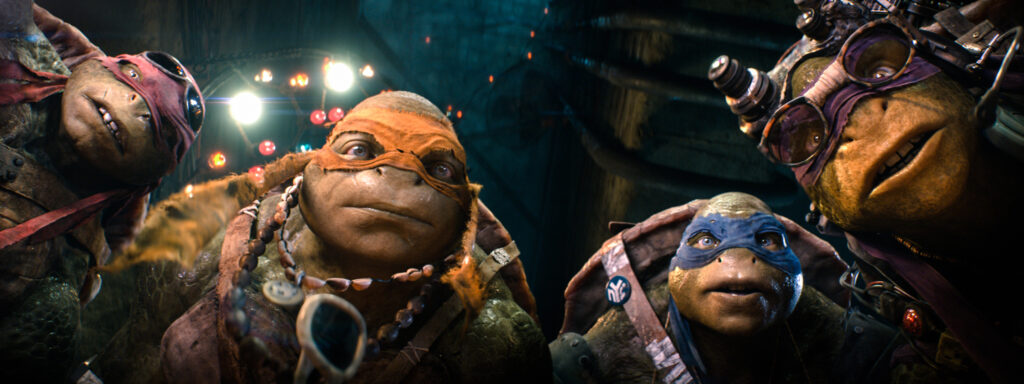
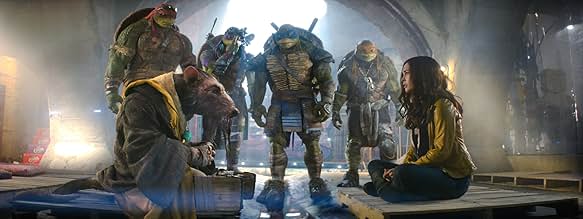
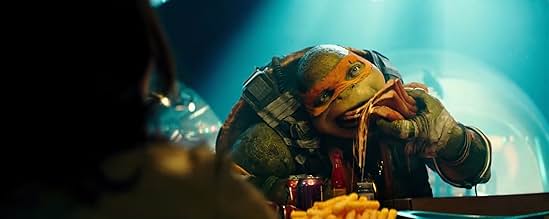
The 2014 and 2016 Teenage Mutant Ninja Turtles films rebooted the franchise with live-action CGI hybrids, giving the turtles a more modern and realistic aesthetic. These films focused on high-octane action, larger-than-life set pieces, and visual spectacle while keeping the heart of the turtles’ brotherhood intact.
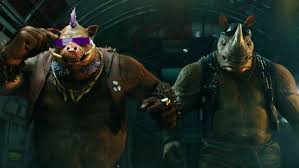
The 2014 film explored Leonardo’s leadership struggles, Raphael’s temper, Donatello’s tech genius, and Michelangelo’s humor in a contemporary setting, updating the characters for a new audience. The 2016 sequel, Out of the Shadows, reintroduced classic villains like Bebop and Rocksteady, satisfying longtime fans while maintaining fun, action-packed storytelling.
Themes That Persist Across TV and Film
Across these adaptations, the Teenage Mutant Ninja Turtles stories emphasize:
- Brotherhood and Loyalty: The turtles’ bond with each other and Splinter is central, showing how teamwork can overcome even the toughest adversaries.
- Identity and Responsibility: Each turtle has unique strengths and flaws, learning to balance personal growth with group dynamics.
- Courage and Perseverance: From battling the Foot Clan to facing new threats, the turtles consistently embody bravery.
- Humor as Heart: Even in intense moments, humor provides relief and strengthens character relationships.
Why This Era Resonates
The 2003 series and subsequent movies struck a balance between nostalgia for long-time fans and accessibility for new audiences. They preserved the essence of the original Teenage Mutant Ninja Turtles while expanding the universe, deepening character arcs, and modernizing visuals and storytelling. For fans of action, humour, and compelling brotherhood, this era of Teenage Mutant Ninja Turtles remains definitive.
Final Thoughts
Whether revisiting the 2003 animated series or enjoying the 2007, 2014, and 2016 movies, Teenage Mutant Ninja Turtles continues to deliver a mix of heart, humour, and heroism. These adaptations demonstrate that, across formats, the turtles’ adventures are timeless — offering lessons in teamwork, courage, and family that resonate with both new fans and nostalgic viewers alike.
About the Author