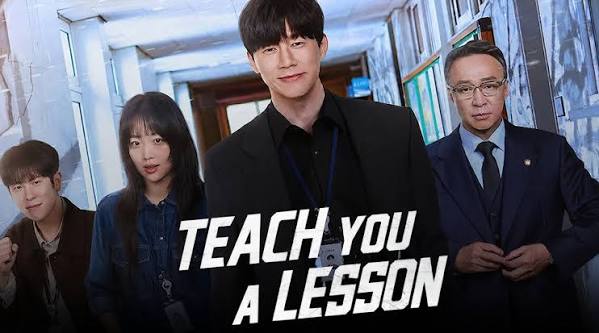
Teach You a Lesson transforms the bleak reality of school bullying and classroom collapse into a high-octane, cathartic fantasy. It is an unhinged, action-heavy, yet surprisingly heartfelt critique of systemic educational failures that will leave you cheering”even when its methods cross the line.
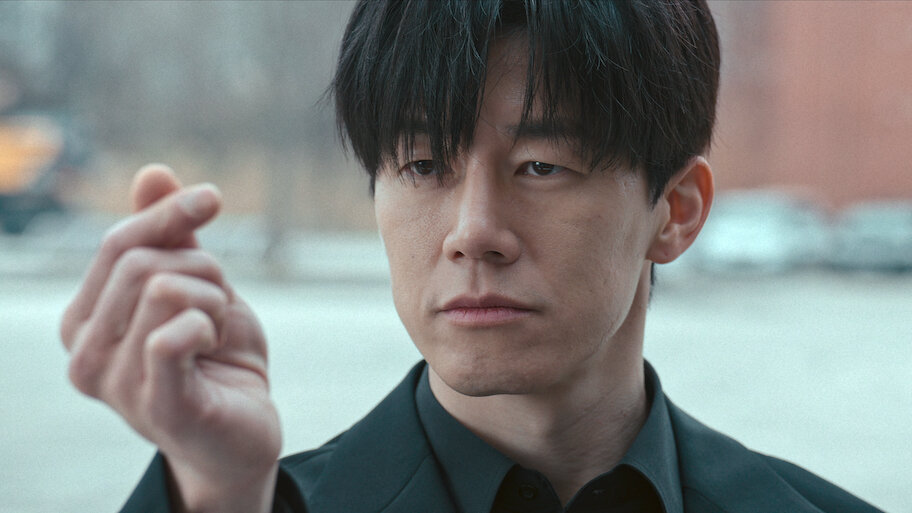
The Premise: Powerless Teachers, Lawless Classrooms
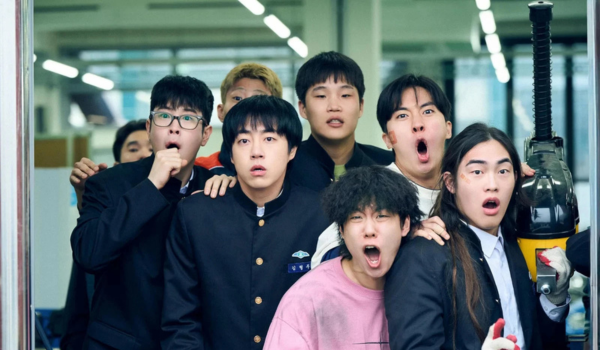
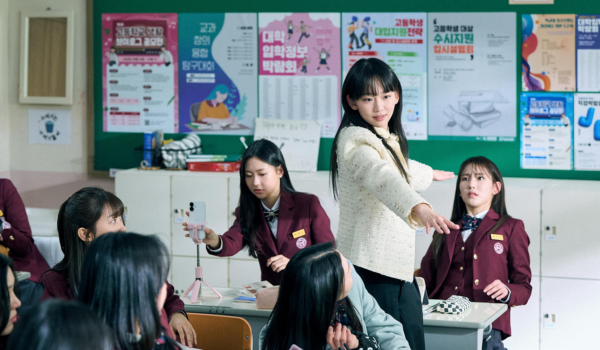
Stories about campus violence are nothing new in the world of K-dramas, but Teach You a Lesson approaches the crisis from a radically different angle. The series introduces us to an alternate South Korea where classroom order has completely crumbled. Hamstrung by complex youth protection laws and targeted by malicious, hyper-influential parents, teachers are left entirely powerless. Student gangs rule the hallways, running rampant with brutal bullying, extortion, and digital crimes.
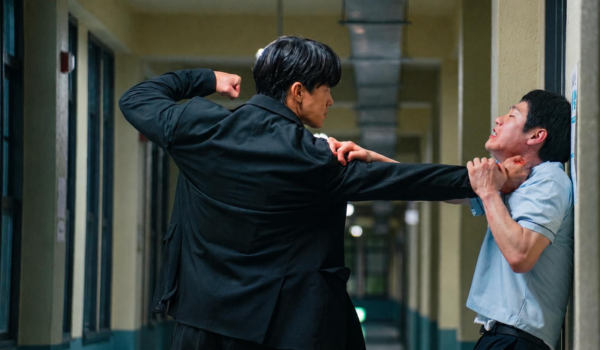
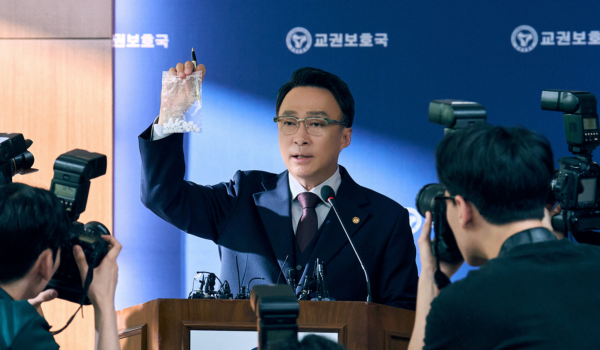
To reset the balance of power, the Ministry of Education takes a drastic, fictional step: they establish the Educational Rights Protection Bureau (ERPB). This government-sanctioned task force is deployed directly into broken schools, granted the legal authority to use physical intervention and “unconventional methods” to discipline delinquent students and protect the faculty.
Meet the Faculty: The ERPB Enforcers
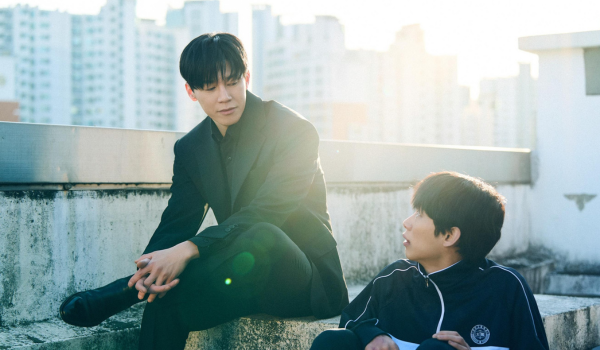
At the heart of the series is a powerhouse ensemble cast that gives this wild premise its emotional grounding. Rather than feeling like distant comic book superheroes, the team operates like a tight-knit, functional family.
- Na Hwa-jin (Kim Mu-yeol): A former Special Forces captain turned ruthless field inspector. Kim Mu-yeol plays him with a striking, commanding authority, balancing terrifying physical dominance with a hidden well of grief.
- Im Han-rim (Jin Ki-joo): A former Special Forces sergeant and tough field agent. Her backstory, a former bullying victim rescued by Hwa-jin during her youth, gives her mission deep personal stakes.
- Bong Geun-dae (Pyo Ji-hoon): A brilliant tech-expert and KAIST graduate who brings lighter, comedic relief and digital tracking expertise to the frontline.
- Choi Gang-seok (Lee Sung-min): The Minister of Education and founder of the ERPB, who acts as the operational shield and protective father-figure to the team.


From “Cancelled” Comic to Global Hit
The series is adapted from the wildly popular yet deeply controversial Naver webtoon Get Schooled. The original source material faced intense backlash and global hiatuses for its provocative takes on race, gender, and school discipline.
Thankfully, director Hong Jong-Chan (Juvenile Justice) approaches the adaptation with considerably more restraint and moral nuance. The drama deliberately strips away the webtoon’s most offensive, edgelord elements. Instead of just delivering empty vigilante wish-fulfilment, the show pivots to examine the broader adult failures that create these monstrous kids in the first place.
The Ultimate Wish-Fulfilment (And Why It’s Divisive)
The show is an absolute masterclass in narrative catharsis. Seeing untouchable, arrogant bullies finally face real, terrifying consequences is an undeniable crowd-pleaser, which explains why the show skyrocketed to Netflix’s global No. 1 non-English spot within days of release.
However, Teach You a Lesson is explicitly designed to spark a debate:
- Fantasy: It provides a voice for exhausted educators and helpless victims trapped in a system that moves too slowly. It argues that schools are complex ecosystems where responsibility falls on everyone”parents, administrators, and toxic students alike.
- Reality: Real-world Korean teachers’ unions have expressed deep concern over the series. They argue that by depicting physical force as the ultimate fix-all, the show irresponsibly promotes corporal punishment over the genuine legal protections and structural reforms educators actually need.

Final Thoughts
Teach You A Lesson is a gripping 10-episode ride that packs as much heart as it does punch. It transforms a heavy, depressing societal crisis into an addictive thriller without losing sight of its human elements. Teach You A Lesson won’t give you realistic policy solutions, but it doesn’t try to. It gives audiences the righteous, karmic payback they crave, making it one of the most memorable and conversation-starting K-dramas of the summer.

About the Author