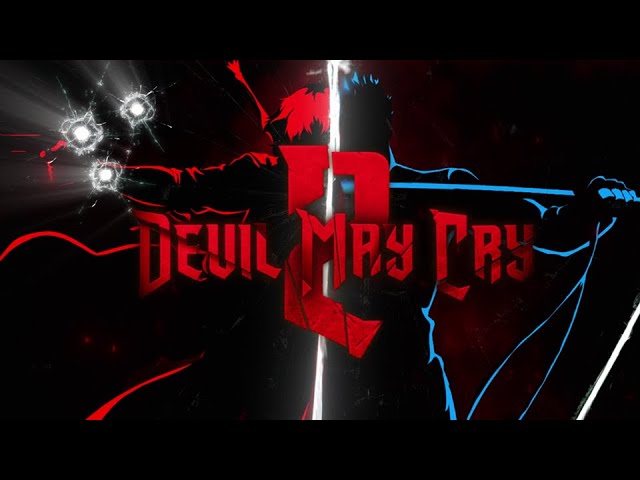
Adi Shankar and Studio Mir return with an 8-episode season that is bigger, bloodier, and significantly more emotionally resonant than the first. By bringing in Dante’s estranged twin brother, Vergil, Devil May Cry Season 2 injects the series with the razor-sharp narrative stakes and tragic depth that fans of the franchise have been begging for.
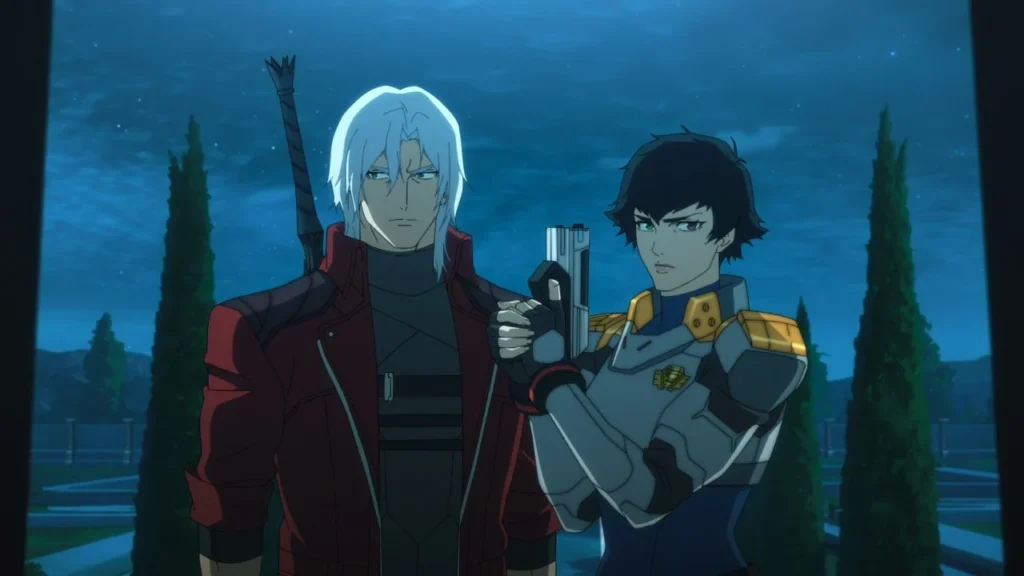
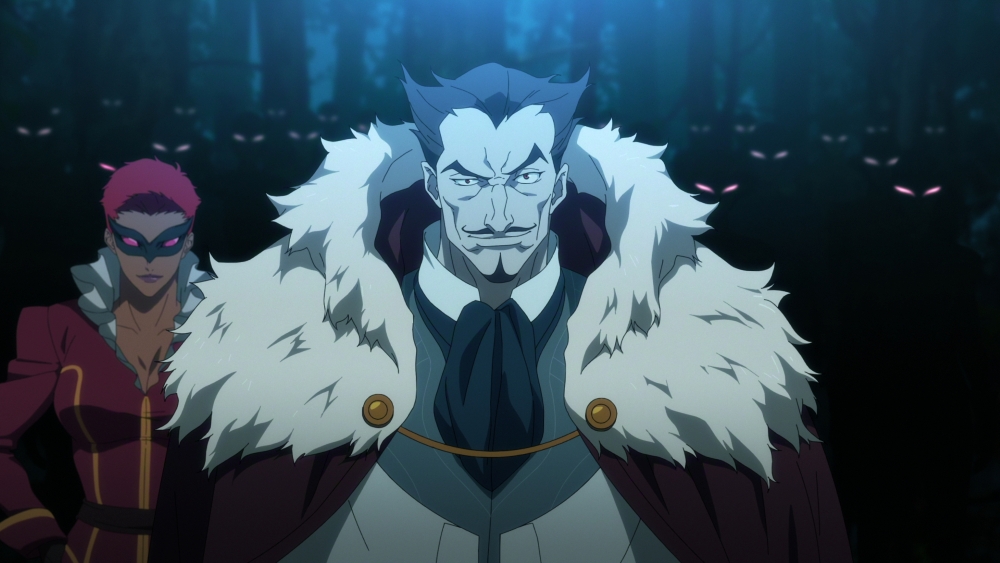
The Plot: Out of the Ice and Into a Twin Rivalry
Picking up after the chaotic events of the first season, Dante, voiced by Johnny Yong Bosch, begins the season stuck in cryostasis following Lady’s betrayal. When he finally breaks free, he finds a world completely unravelling. The corporate greed of the Uroboros Corporation and its leader, Arius, coupled with escalating geopolitical conflict, has pushed the barrier between Earth and Hell to its absolute breaking point.
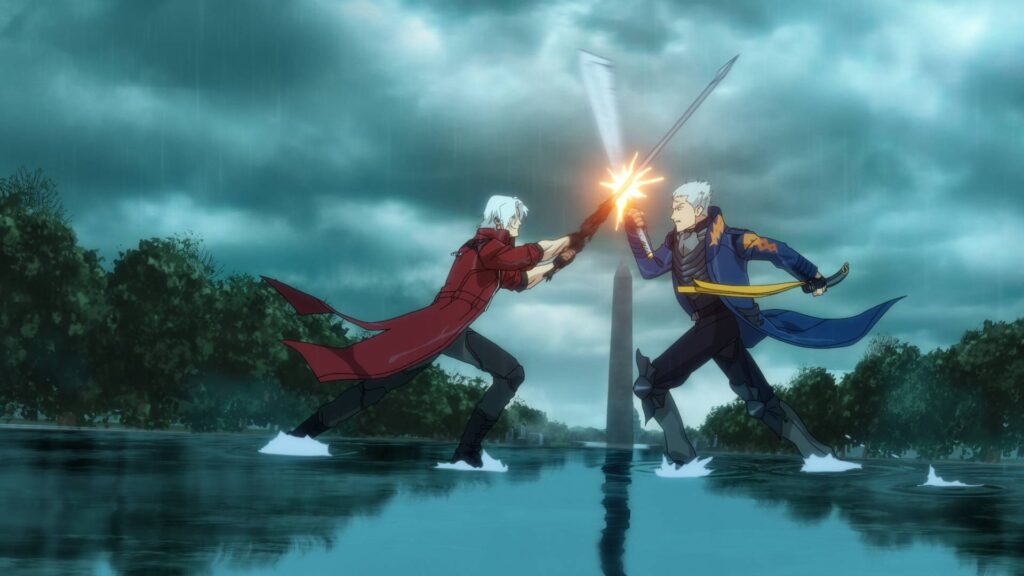
But the real threat isn’t just a political conspiracy, it’s familial. Hell has sent its own elite agent to eliminate Uroboros and settle an old score: Dante’s long-lost, power-hungry twin brother, Vergil, voiced by Robbie Daymond.
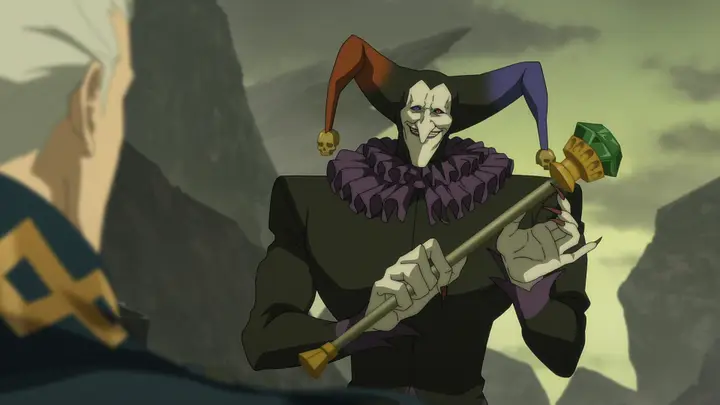
The Vergil Factor: Stealing the Spotlight
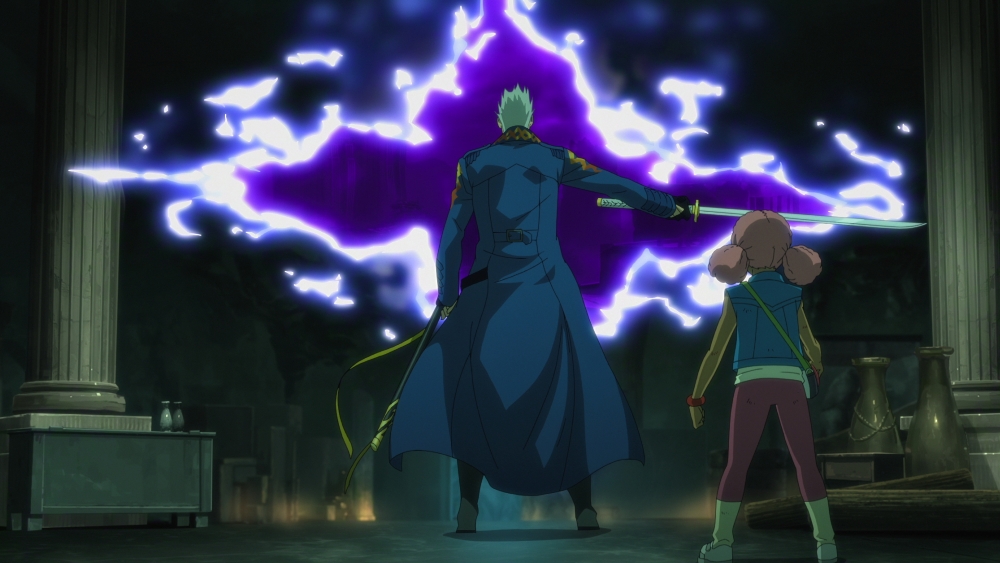
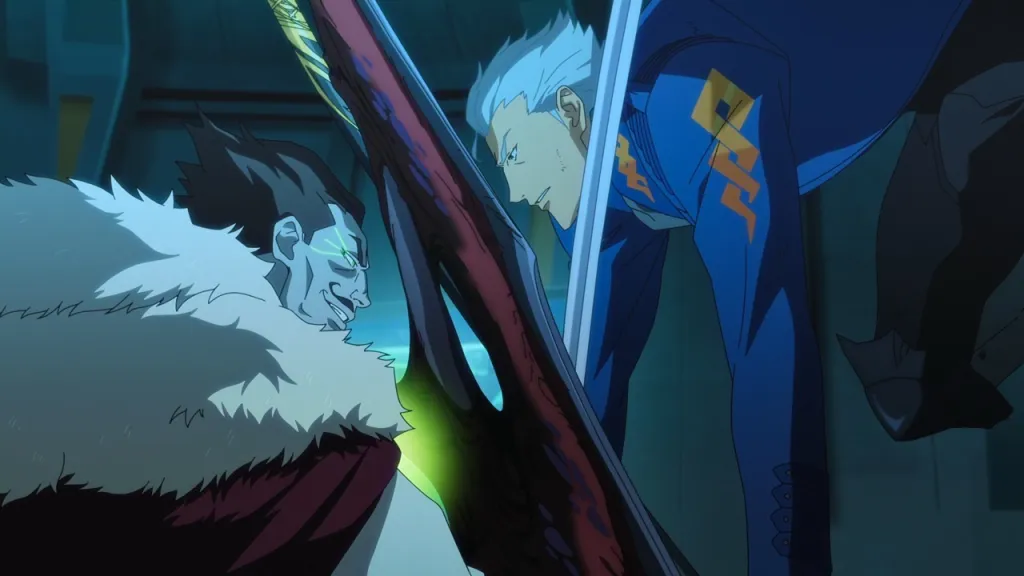
While Season 1 felt like a bit of a slow-burning setup, Season 2 hits the ground running entirely because of Vergil. He is the perfect cinematic foil to Dante, vicious, tightly disciplined, and completely unbothered by Dante’s sarcastic defence mechanisms.
The writers brilliantly balance the franchise’s over-the-top action with genuine emotional weight. Through beautifully animated flashbacks, we get a deeper look at their childhood and their mother, Eva. Seeing how the same core childhood trauma fractured the brothers into completely opposite ideological paths gives the brutal, kinetic sword fights real narrative consequence.
Visual Spectacle and Early-2000s Needle Drops
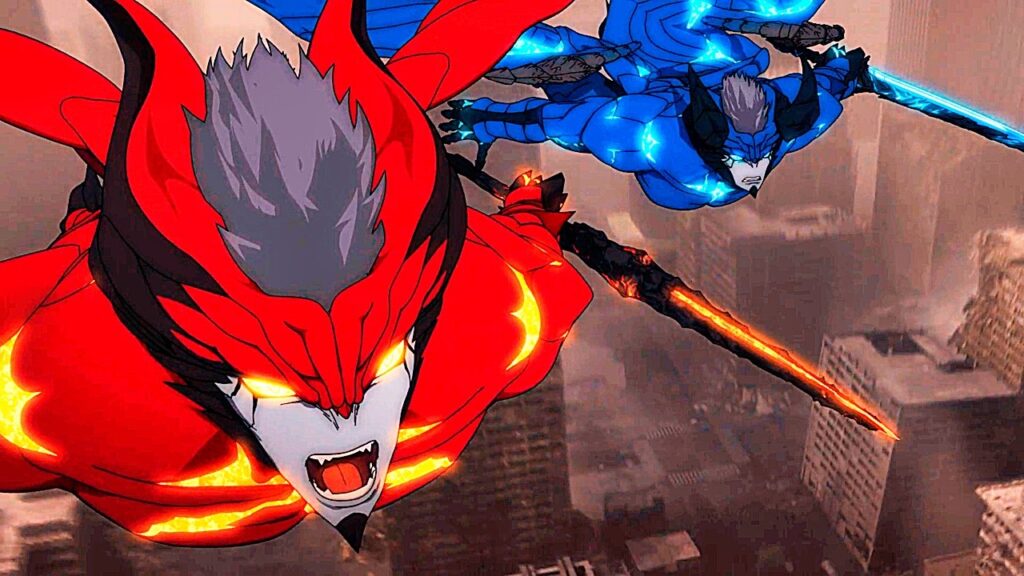
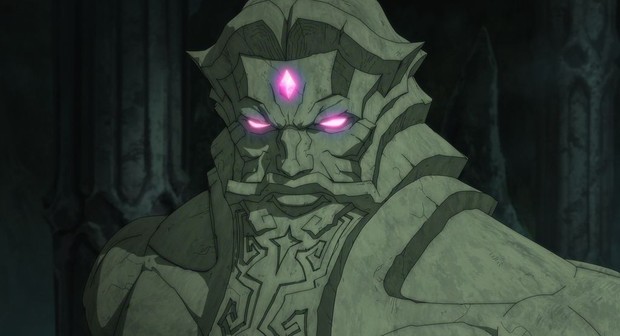
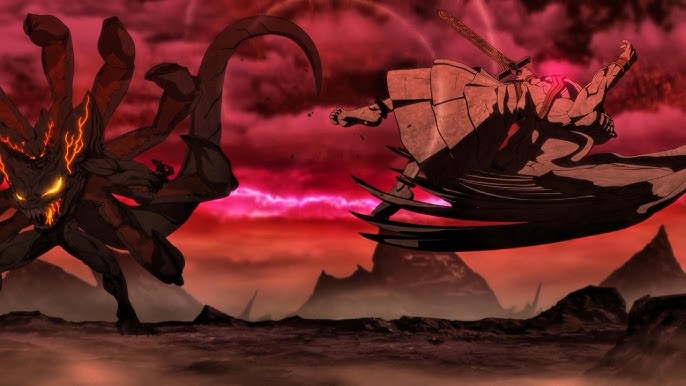
Studio Mir (also known for “The Legend of Korra“) continues to prove they are masters of kinetic motion. The sword choreography is fast and deeply satisfying, using distinct art-style shifts during major confrontations to keep things visually fresh.
And then there is the soundtrack, showrunner Adi Shankar doubles down on the distinct, early-2000s nu-metal aesthetic. Having Vergil slice through squads of soldiers to the literal tune of Drowning Pool’s “Bodies,” or fighting alongside Dante to a thumping Papa Roach track, gives the entire production an unapologetic, stylistic swagger that captures the raw energy of the original video games.
Turbulence in the Underworld
Despite the massive upgrades, Season 2 does stumble in a few areas:
- CG Demon Fatigue: While the hand-drawn character animation is stellar, the show still relies heavily on noticeably rigid CG models for generic background demons, which can briefly break immersion during massive battles.
- On-the-Nose Commentary: The season leans heavily into political allegories (including some highly exaggerated satire involving the US government invading Hell). It’s incredibly on-the-nose and won’t land with every viewer looking for pure fantasy wish-fulfilment.
Final Thoughts
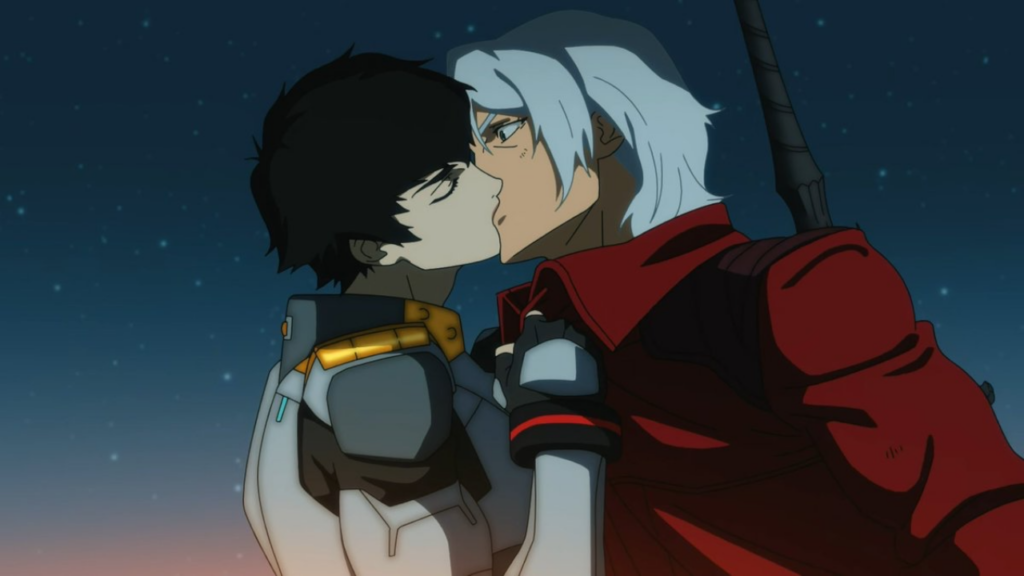
Devil May Cry Season 2 is a resounding win that successfully fixes most of the pacing criticisms aimed at the first chapter. It’s a stylish, high-octane ride that treats its source material with immense respect while forging its own unique identity. With the emotional stakes now raised to the stratosphere, the stage is set for the third and final season.

Where to watch: Netflix
About the Author