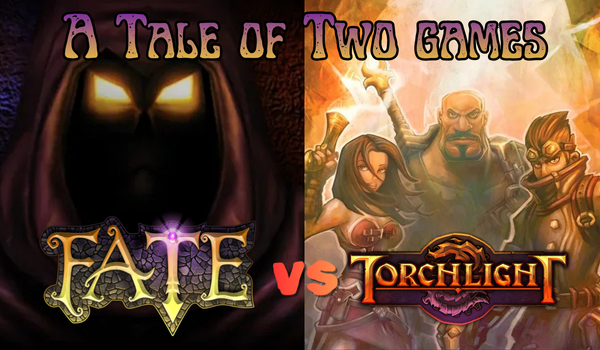
Having sunk over 30 hours into both Fate (2005, WildTangent) and Torchlight (2009, Runic Games), one realisation quickly becomes obvious: these games are not just similar”they are practically twins.
Plot, dungeon generation, dungeon level quests, combat mechanics, and even the way pets scurry around carrying loot are almost identical. The only real differences are cosmetic, though small quirks like pet transformations add fun flourishes in both.
Gameplay Mechanics: Clone Wars
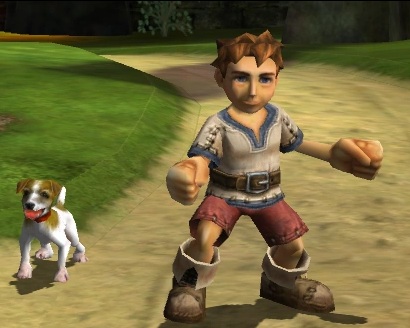
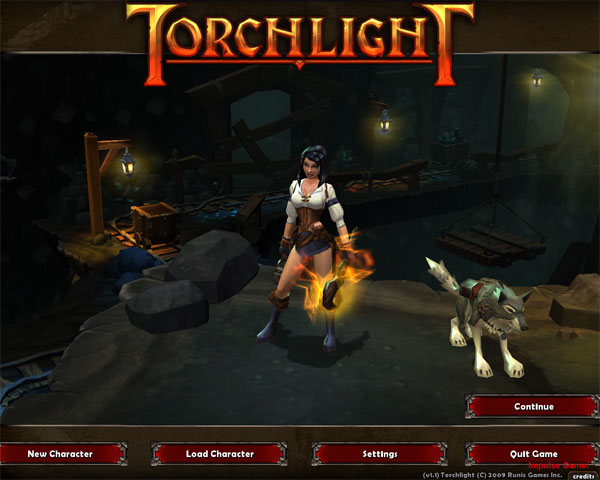
If you’ve played one of these games, you’ve essentially played them both. Both rely on a tried-and-true ARPG formula: pick a character, explore procedurally generated dungeons, fight monsters, collect loot, and level up.
Some highlights that are identical across both titles:
- Pets as indispensable helpers: Your pet isn’t just a cute sidekick. They act as portable inventory, fetching and selling items back in town while you keep fighting. They also have a small but delightful twist: feed them a fish, and your pet transforms into a time-limited super monster, vastly increasing its combat abilities and helping you mow down enemies faster. Both Fate and Torchlight use this mechanic identically, adding a layer of strategy and fun to dungeon crawling.
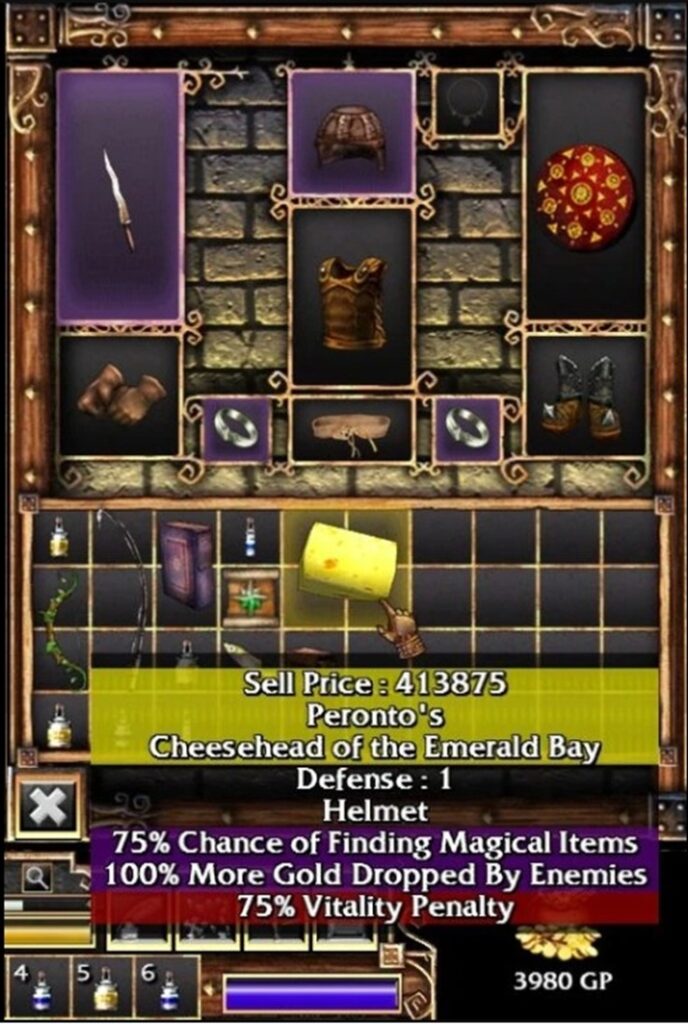
- Gem-based item upgrades: Weapons and armour are enhanced via gems. Placement matters, and stacking stats feels satisfying and impactful.
- Combat & Magic: Melee, ranged, and spell-casting systems are mechanically identical. Spells have the same timing, reach, and effect. Combat is tight, responsive, and fast-paced.
If you enjoy character builds, pet management, and endless loot hunting, either game delivers the same experience.
Story, Quests, and Setting
Neither game attempts to deliver a deep narrative. The story exists to justify dungeon crawling, loot collection, and monster slaying. Fate leans into whimsy: NPCs are exaggerated, dialogue is humorous, and monsters often have cartoonish flair. Torchlight, in contrast, leans on Diablo-inspired aesthetics: darker, more polished fantasy, still colourful, but with a slightly more epic tone.
Story is secondary to gameplay in both games. Your real ’plot’ is simple: explore → fight → loot → repeat, whether you’re feeding your pet fish or not.
Graphics, Style, and Tone
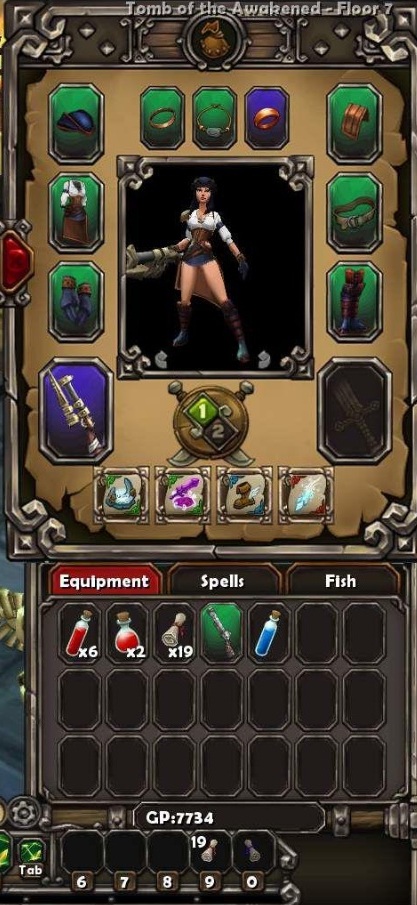
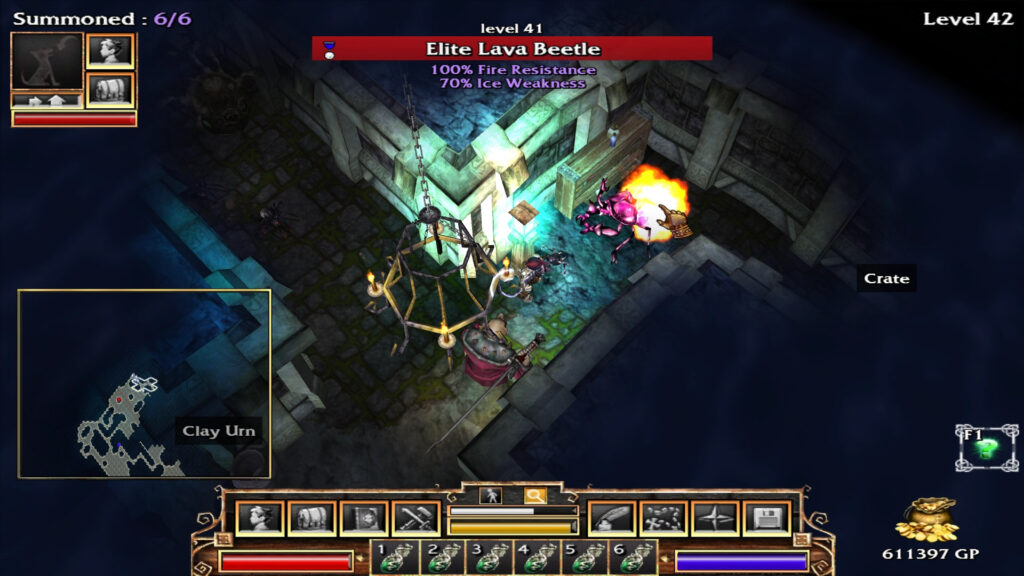
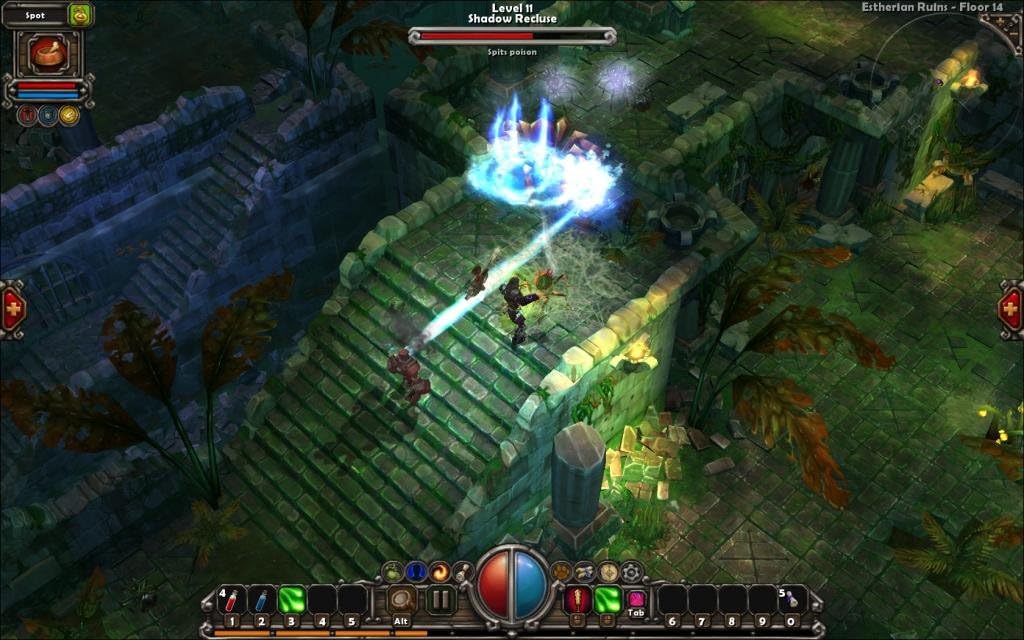
Here is where the games diverge: visual style. Fate is cartoonish, playful, and exaggerated. Monsters are funny, heroes are caricatured, and humour pervades the visuals. Torchlight is polished and Diablo-esque: colourful, epic, and slightly darker. Mechanically identical, visually different. This is your main decision point: whimsy or polished fantasy?
Replayability and Longevity
Procedurally generated dungeons and loot-heavy progression make both games highly replayable. You can experiment with character builds, pets, and gem upgrades endlessly.
The pet transformation mechanic adds another layer of fun strategy: deciding when to feed the fish for maximum destruction is oddly satisfying.
Development & Release Context
- Fate: Released in 2005, developed by WildTangent. It was an early attempt to bring accessible, light-hearted ARPG mechanics to casual PC gamers via downloadable games.
- Torchlight: Released in 2009, developed by Runic Games, a studio founded by veterans of Blizzard North (the original Diablo team). Torchlight polished the formula, improving visuals, animations, and dungeon design while keeping the addictive core loop intact.
Final Verdict: Same Game, Different Skin
In one sentence: Fate and Torchlight are the same game under different wrappers.
Both deliver solid dungeon crawling, loot-driven progression, and addictive gameplay. The only real difference is aesthetic. Fate is whimsical and cartoonish; Torchlight is polished and Diablo-inspired. Mechanically, you get the same game; the choice is purely visual. The super-monster pet transformations are a quirky bonus that shines in either version.
Where to get them?
Both games are available on GOG, Torchlight can also be found on Steam.
About the Author