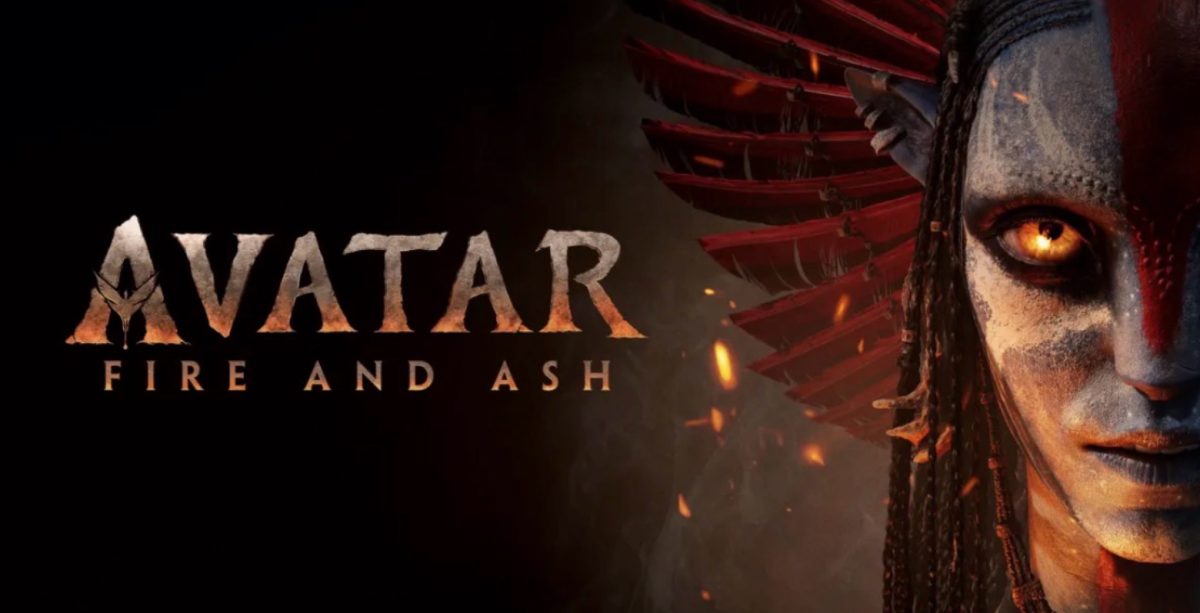
With Avatar: Fire and Ash, James Cameron delivers the most emotionally complex chapter of the saga so far. The film doesn’t simply expand Pandora’s world ” it fractures it. What was once a relatively clear conflict between humans and the Na’vi becomes something far messier, more personal, and far more dangerous. Fire and Ash is a story about grief, identity, radicalization, and the fragile line between survival and vengeance.
A Family Still Mourning
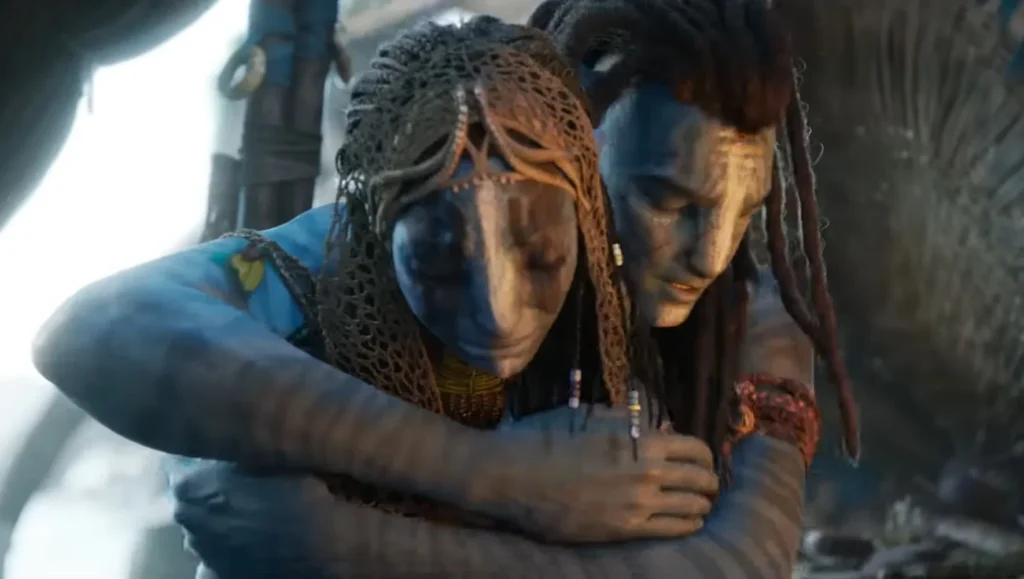
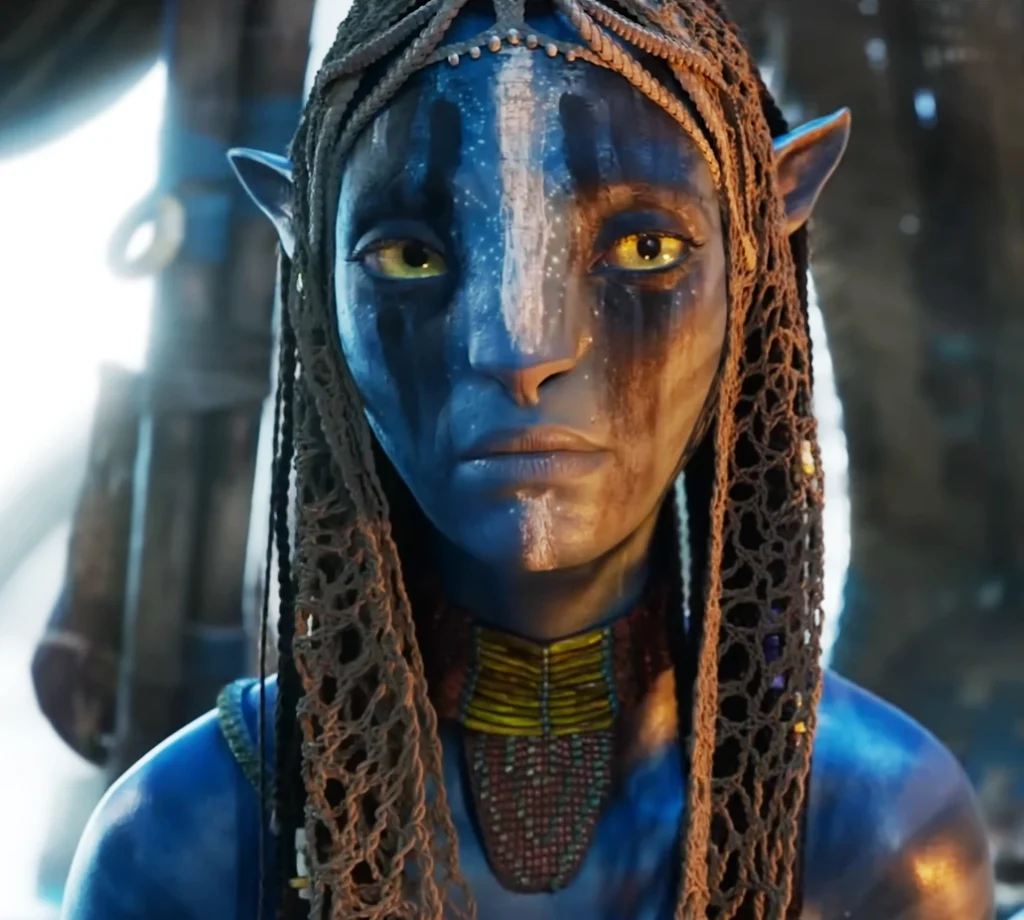
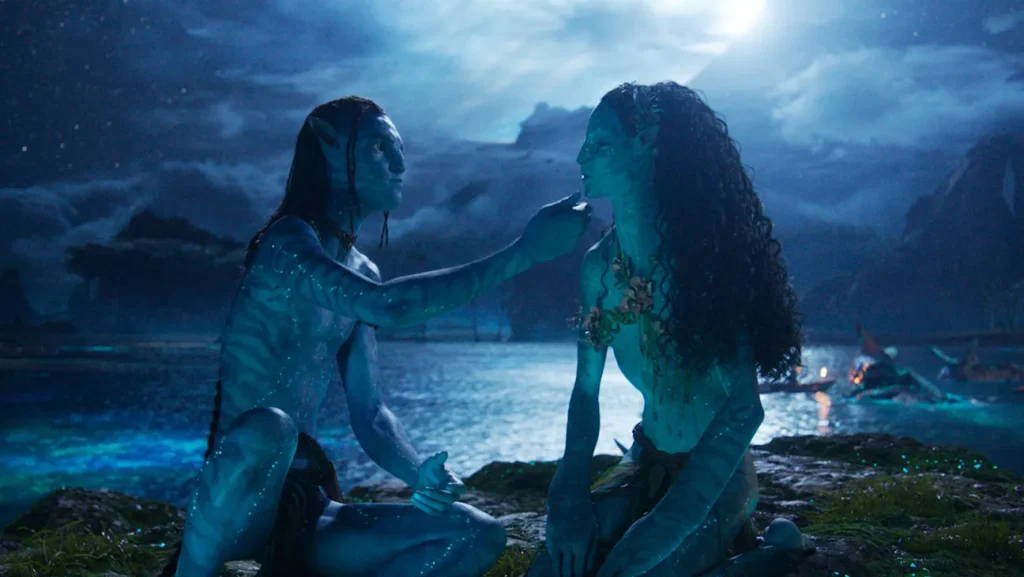
The emotional core of the film remains the Sully family. After the loss of Neteyam in Avatar: The Way of Water, the grief hanging over Jake and Neytiri is impossible to ignore. It shapes their decisions, their leadership, and their relationships with those around them.
Jake Sully has leaned further into the role of hardened war leader. Strategic and cautious, he carries the heavy burden of protecting both his family and Pandora’s future. Neytiri, however, is driven by something far more volatile. Her grief has sharpened into a deep anger toward humanity, creating a tension that runs through much of the film, particularly in moments involving Spider. Their emotional divide adds depth to the story, revealing new sides of two characters audiences have followed for over a decade.
The Sully Children Step Forward
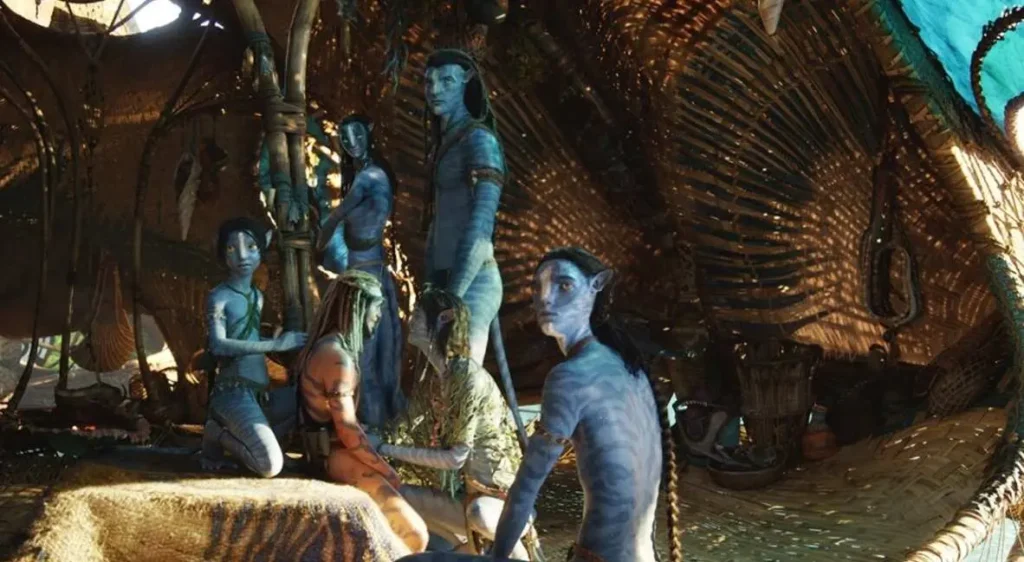
In Fire and Ash, the Sully children are no longer simply reacting to events, they are actively shaping them.
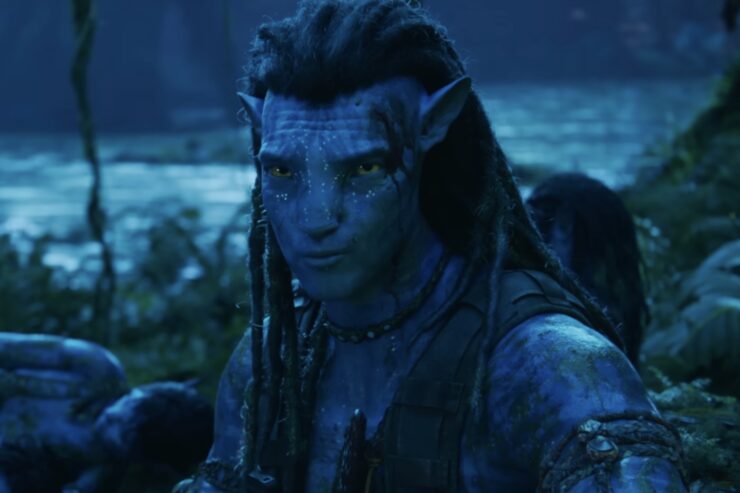
- Lo’ak continues to wrestle with living in his older brother’s shadow, but grief forces him to mature quickly. Though still impulsive, he now carries a deeper sense of responsibility.
- Kiri becomes increasingly central to the story through her mysterious connection to Eywa. Her spiritual arc hints at larger forces at play within Pandora itself.
- Tuk offers emotional grounding, a reminder of innocence in a story otherwise heavy with loss.
- Spider remains the most conflicted of them all.
The sibling dynamic feels authentic and lived-in. They argue, protect one another, and struggle with their identities, making this film feel like a turning point where the Sully children begin forging their own paths.
The Mangkwan and a Divided Na’vi Culture
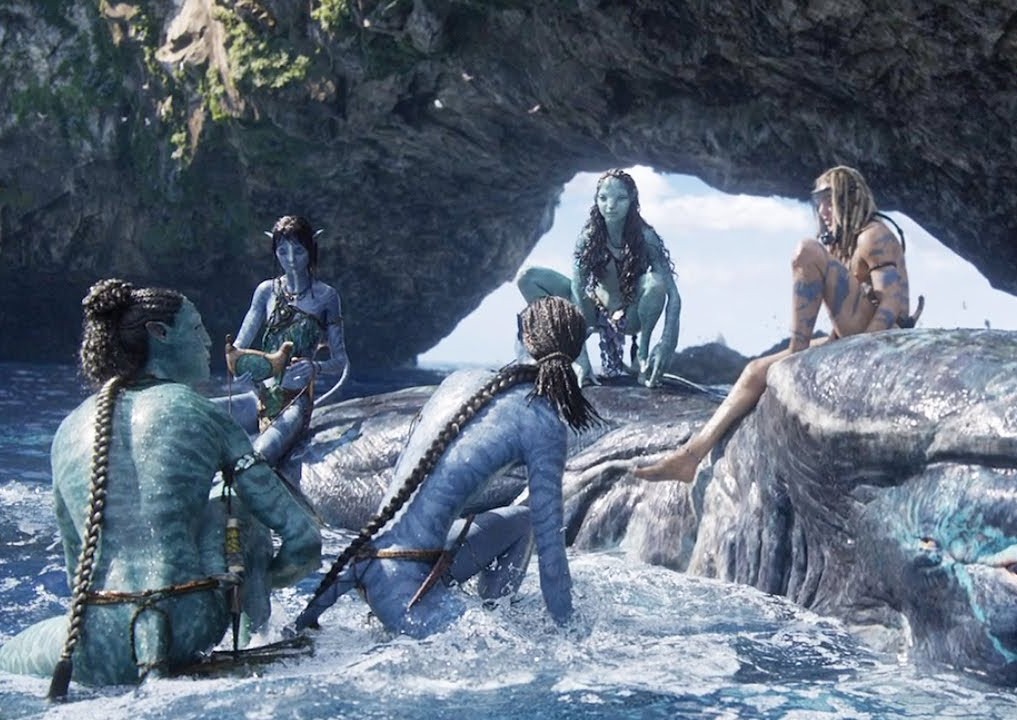
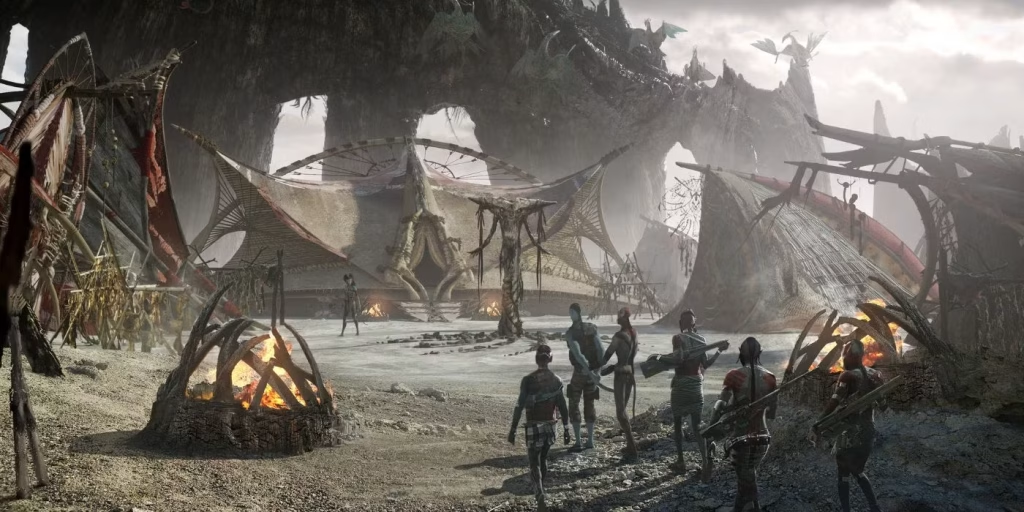
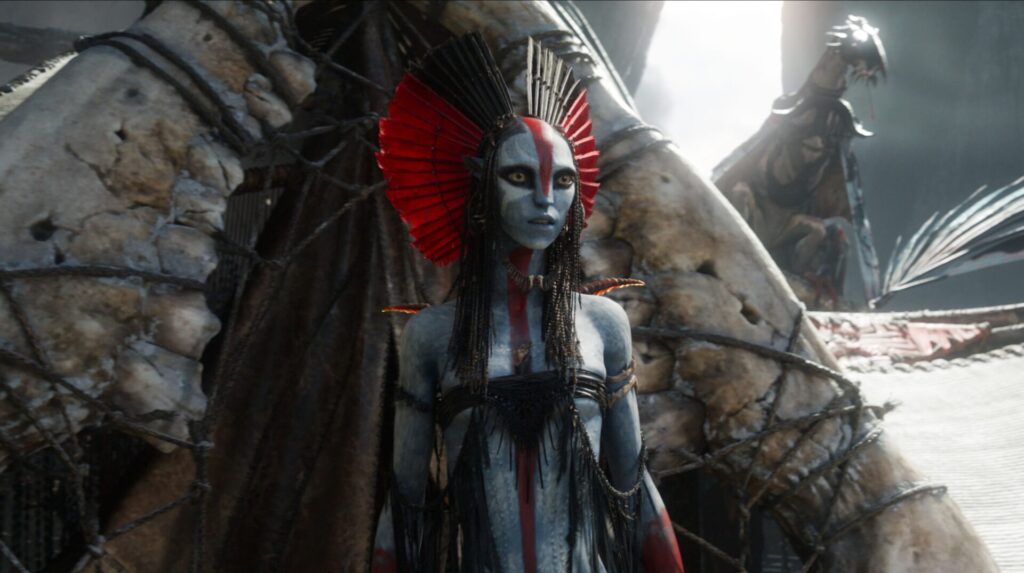
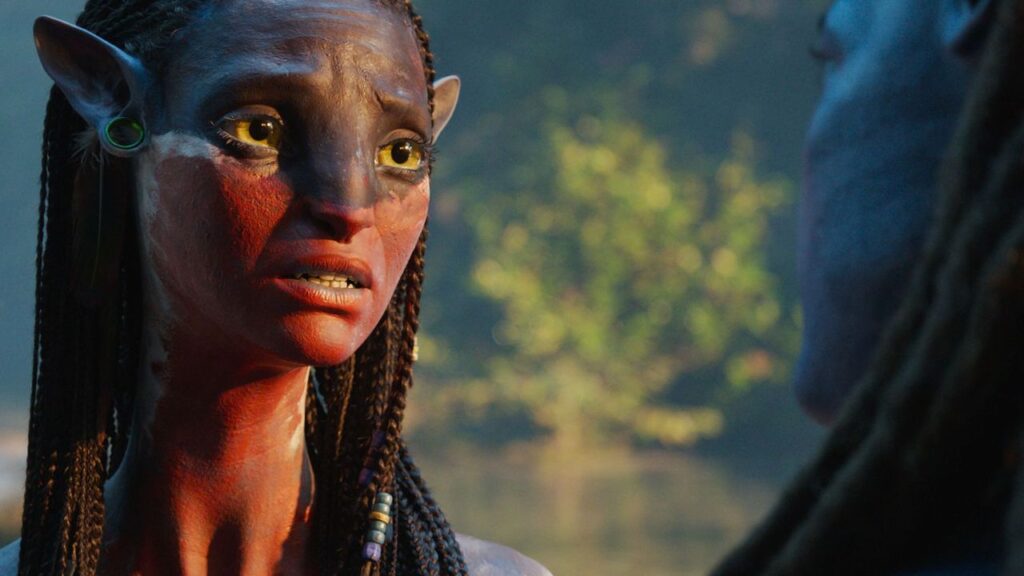
One of the boldest narrative choices in Fire and Ash is the introduction of the Mangkwan, a Na’vi tribe whose philosophy sharply contrasts with the spiritual harmony seen in other clans.
Rather than living in balance with Eywa, the Mangkwan embrace strength, survival, and fire. They are not corrupted by human influence or outside manipulation, they simply believe the world demands power rather than unity.
This shift complicates the franchise’s moral landscape. The conflict is no longer purely human versus Na’vi; it is also cultural and ideological.
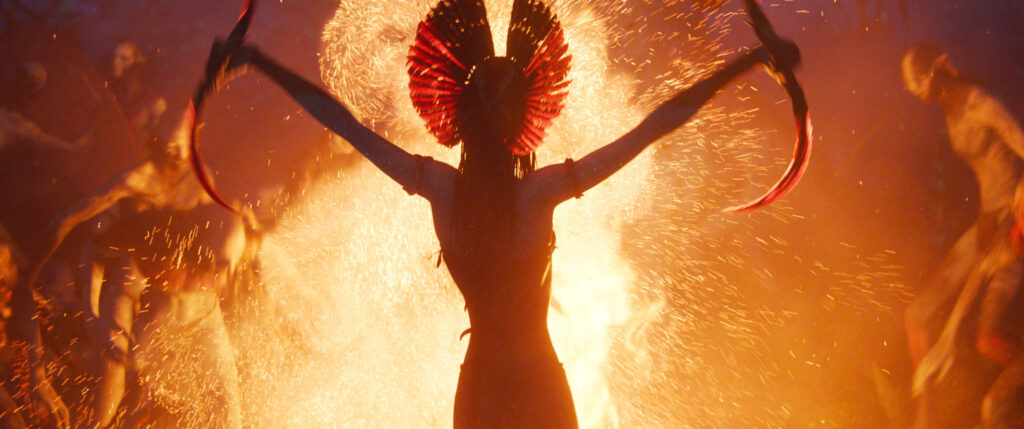
At the center of this new faction is Varang, a fierce and commanding leader who believes survival demands dominance. Her worldview is captured in a chilling line: ’Fire is the only thing pure in this world.’ She is not portrayed as a villain in the traditional sense ” she is an ideological force, and that makes her far more compelling.
Quaritch and Varang: A Dangerous Alliance
Miles Quaritch remains one of the saga’s most fascinating figures. Reborn in Na’vi form but still deeply human in mentality, he exists in a constant state of contradiction.
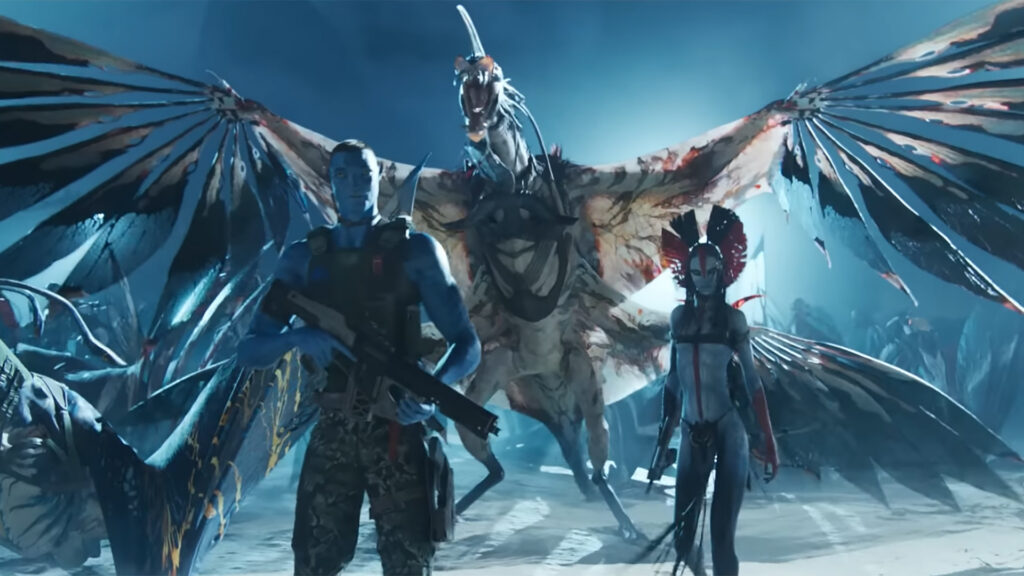
His uneasy alliance with Varang is one of the film’s most intriguing dynamics. At first glance it appears purely strategic, a human military commander working alongside a powerful warrior tribe. But their relationship carries an undercurrent of reluctant respect.
Varang does not submit to Quaritch, and Quaritch does not fully control her. Instead, they circle each other carefully, bound by shared aggression yet divided by purpose. Quaritch seeks long-term dominance and control, while Varang pursues cultural supremacy through strength. Their dynamic avoids easy categorization. It isn’t romance, nor simple manipulation. Instead, it’s a tense ideological partnership between two leaders shaped by violence.
Interestingly, Quaritch’s increasing time among the Mangkwan begins to subtly shift his character. Though still a soldier at heart, he appears to be absorbing aspects of Na’vi culture, a transformation that does not sit comfortably with everyone around him. His loyal second-in-command, Lyle Wainfleet, visibly questions this growing connection, hinting at potential fractures within the human ranks.
Spider: The Bridge ” or the Breaking Point
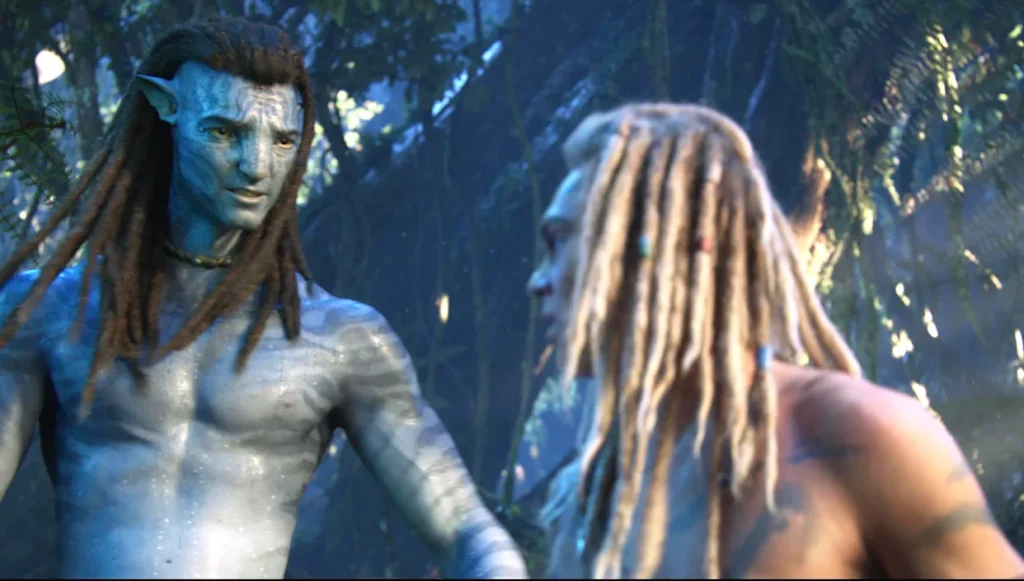
Spider’s role continues to blur the moral boundaries of the story. As a human raised among the Na’vi, he embodies both the hope of coexistence and the fear of cultural contamination.
His interactions with Quaritch carry an uneasy paternal energy ” unresolved, uncomfortable, and emotionally charged. Meanwhile, Neytiri’s deep distrust of Spider creates one of the film’s most painful tensions. Her grief makes forgiveness difficult, if not impossible, and that emotional divide threatens to fracture the Sully family from within.
Spider is no longer just a supporting character. Symbolically, he represents the fragile possibility that humans and Na’vi might one day coexist.

Spectacle with Consequence
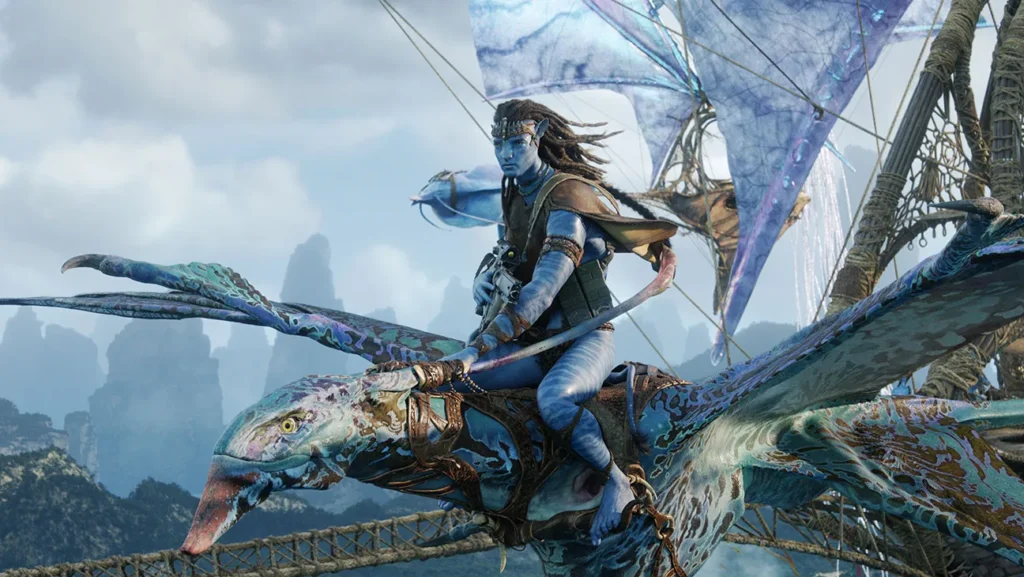
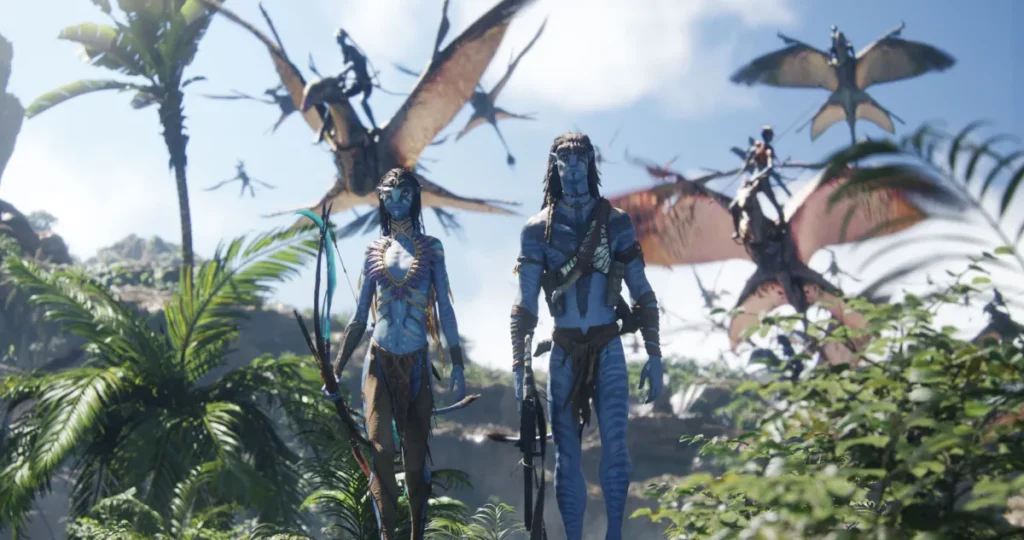
Visually, Fire and Ash is breath-taking. Fire becomes a recurring motif throughout the film, symbolizing destruction, rage, and transformation.
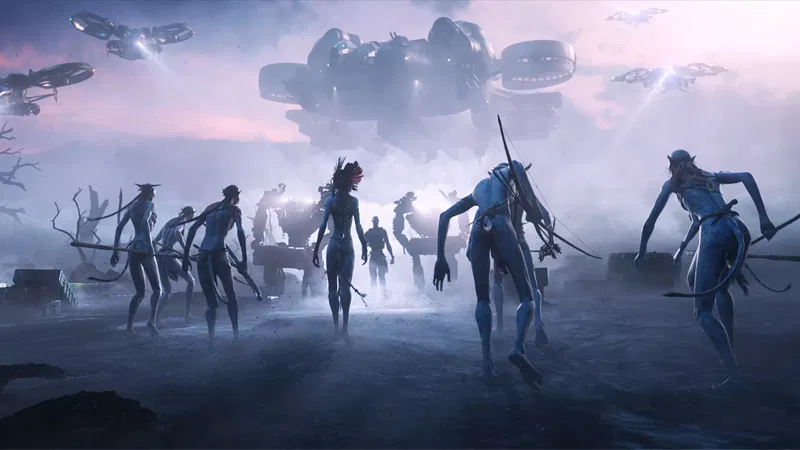
Pandora itself feels different this time. The world appears less serene and more volatile, reflecting the escalating ideological conflict. The large-scale battle sequences are spectacular, but they rarely feel triumphant. Victories are costly, chaotic, and morally complicated.
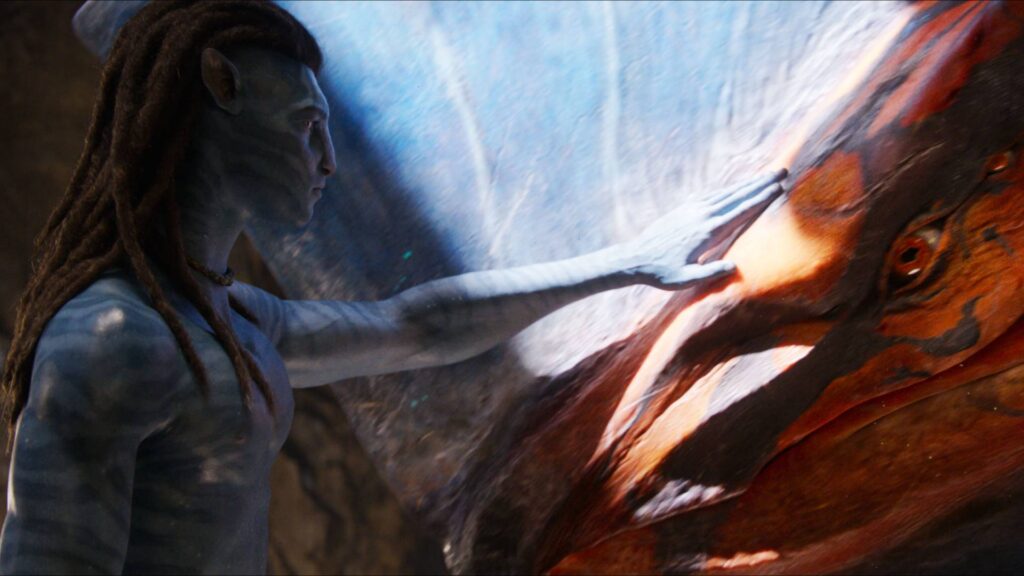
Pandora’s wildlife and ecosystems also continue to play an active role in the story. At times, the planet itself seems to react in defence, reinforcing Cameron’s long-standing approach of treating the environment as a living character rather than mere scenery.
A More Focused Narrative
Compared to The Way of Water, Fire and Ash feels noticeably tighter in its storytelling. While the previous film offered stunning worldbuilding, it occasionally slowed down with moments that felt more atmospheric than essential to the plot.
Here, the pacing feels more purposeful. Nearly every scene contributes to character development, worldbuilding, or the escalating conflict, creating a more cohesive narrative experience.
That doesn’t diminish The Way of Water, which remains an impressive film, but Fire and Ash feels sharper, more emotionally driven, and more narratively focused.
Themes of Identity and Division
At its heart, Fire and Ash explores identity under pressure.
- What happens when grief turns into hatred?
- Can unity survive ideological division?
- Is strength found in domination or connection?
Through Jake, Neytiri, the Mangkwan, and even Quaritch, the film challenges both Na’vi and human beliefs about power, survival, and the future of Pandora.
Final Thoughts
Avatar: Fire and Ash may prove to be the most divisive instalment of the series, not because it fails, but because it complicates everything audiences thought they understood about Pandora.
The action is spectacular and the visuals remain unmatched. Yet it’s the character dynamics, particularly the strange ideological tension between Quaritch and Varang, along with the Sully children stepping into their own identities ” that truly define this chapter.
This is no longer simply a story about protecting Pandora. It is about deciding what kind of future Pandora deserves, and whether anyone ” human or Na’vi ” is truly ready for it.
As of now, there is still no confirmed streaming release date for the film on Disney+. If it follows the same pattern as The Way of Water, audiences may expect it to arrive on the platform roughly five to six months after its theatrical release.

Find it on: IMDB
About the Author