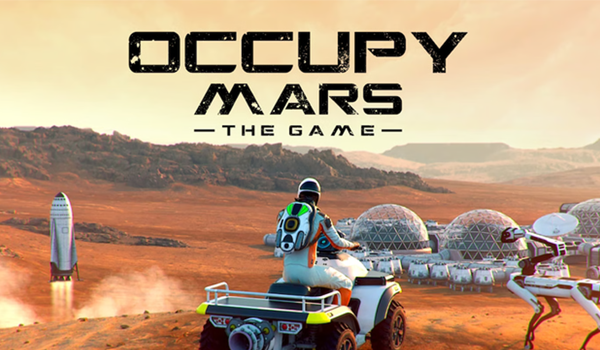
The survival crafting simulation genre has a new contender with Occupy Mars crashing onto Steam. Beginning life as a Kickstarter project in 2022, its launch has not been without issues. However, if you can navigate the first few nights, you won’t only survive, you will thrive.
A Tough Launch
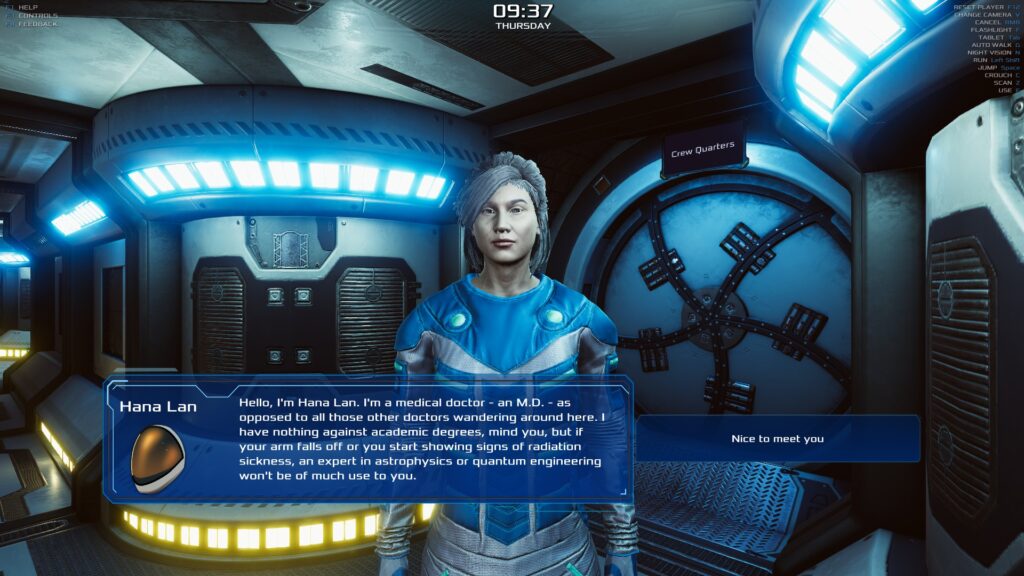
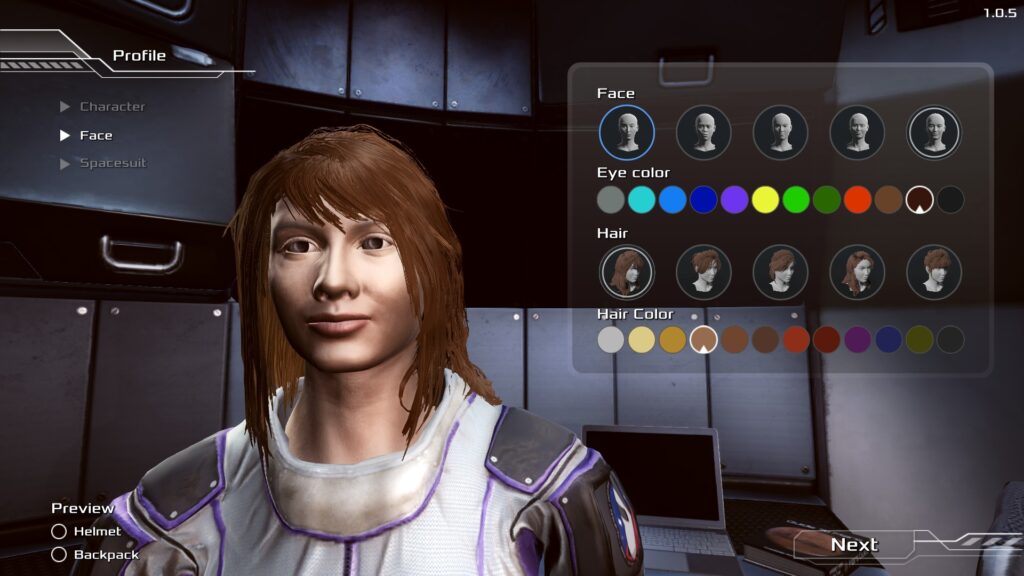
Occupy Mars is a survival simulation game with sandbox and multiplayer options. In story mode, you enter a Mars base and complete basic orientation. Here, you learn about gardening, food processing, drones, and all you need to start your role. There are characters, dialogue options, and even a character creator and an opening cut-scene. This serves as your tutorial before things take a turn for the worse”when the true story begins.
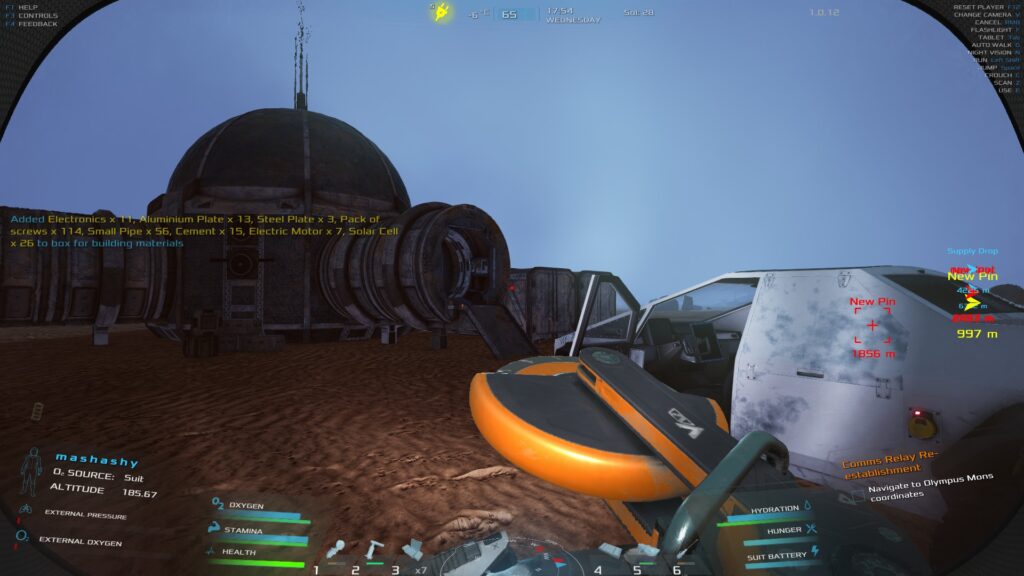
Your attempts to escape certain doom leave you stranded on Mars with emergency rations and a landing pod. The pod holds basic tools and supplies. Unfortunately, the tutorial doesn’t fully prepare you for survival, so you have a lot to learn and not much room for failure. This reset also makes the intro pretty obsolete, but it was nice to walk around and try all the tools.
It’s also a lot of information to take in all at once. The learning curve is steep, and there are no respawns on Mars.
Learn To Survive
Surviving is initially stressful. You need oxygen, power, and water, and they are running out fast. There are quest markers encouraging you to follow the story, but if you make a run for it, you will have to find supplies on the road. So what do you do?
This pressure in the initial moments can lead to silly mistakes. There were things I simply missed, like the supplies in the pod, and things I didn’t realise I was doing wrong, which led to my untimely departure. I would learn important mechanics too late to implement them or waste my time building the wrong item, only to find I needed to unlock some other thing in my tech tree. It made every decision I made feel important as I plotted out my plans for each day.
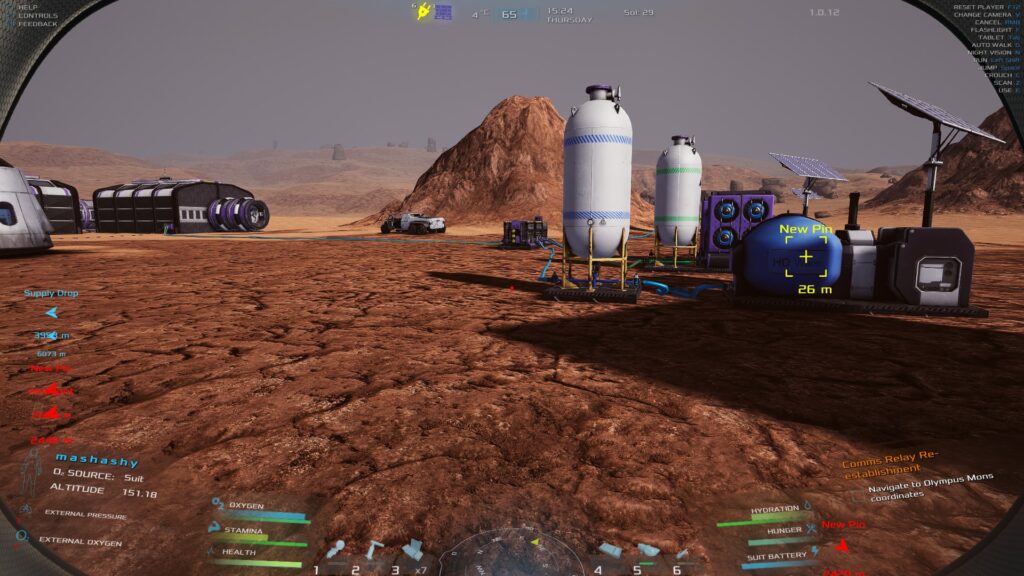
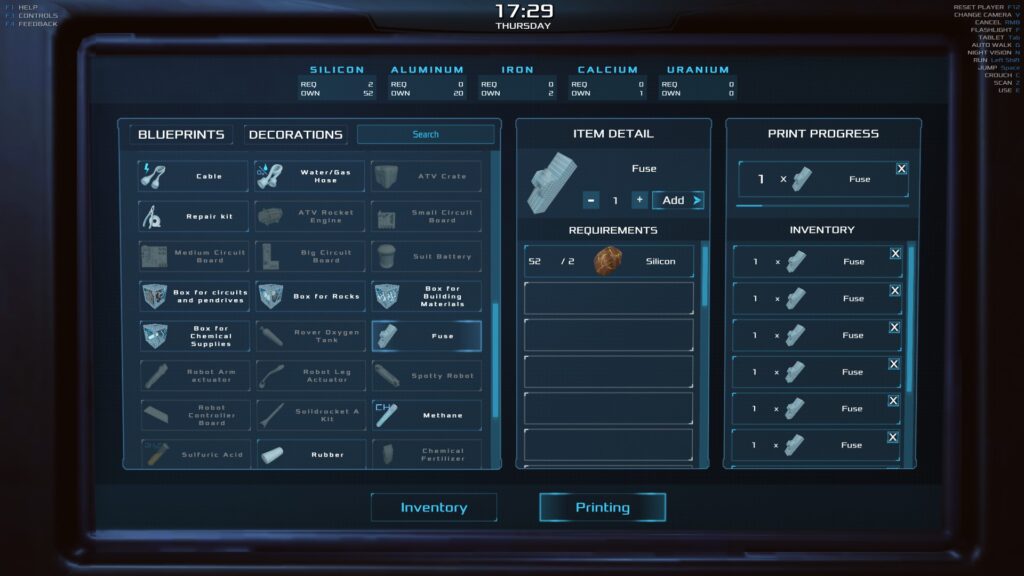
Scavenging was one of my favourite aspects of Occupy Mars. You can find dropped items and use the grinding tool to loot materials from abandoned stations. There’s the jackhammer to mine from rocks and the blowtorch to build with, plus a 3D printer in a landing pod to make anything you might be missing. It’s all there; you just have to find it first.
Eventually, you unlock the crusher and other upgrades, such as the greenhouse, to semi-automate things. Each new tool and workbench has an interaction panel and an interface. Researching materials or crafting them in the “Chemlab” and breeding better plants are just some of the systems you will need to master if you are to become the ultimate Martian.
Build Your Future
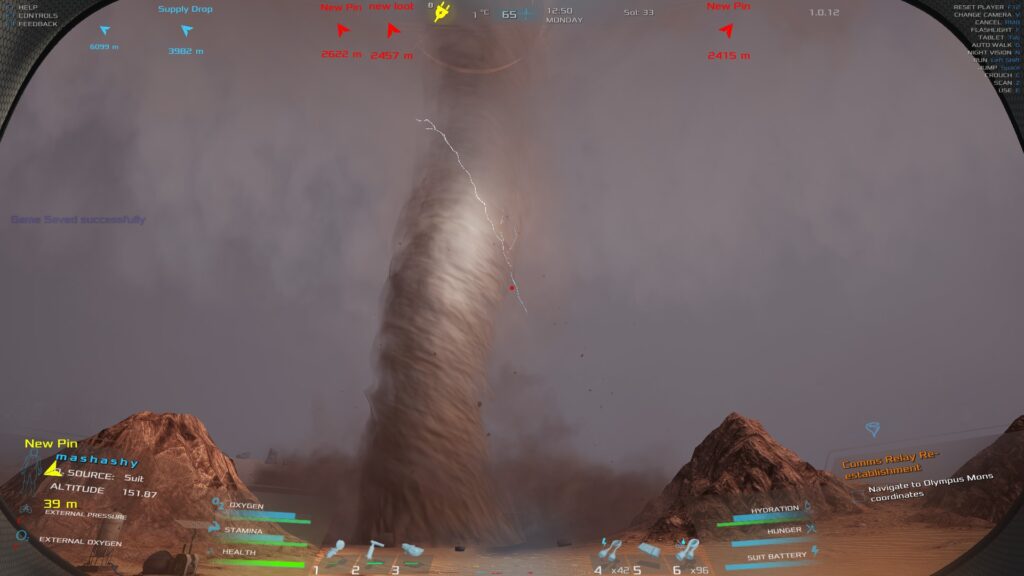
Your base is key to survival. Starting with your landing pod, you build a basic base using blueprints and expand as you gather materials. Unlock and install solar power, water pumps, hydropics, and more until reaching peak efficiency.
Managing power as the sun goes down and water as your plants grow is a challenge in itself. Plants will begin to wither, and the lights will go out as fuses trip. It goes above and beyond a lot of other games, as chips can fry, plants will die, and meteor showers will come to mess up your day.
Broken tools are not the end of your mission. Workbenches let you fix chips through mini game puzzles, and others combine produce to make them more efficient. The systems are in-depth and require trial and error, which you don’t have time for when your oxygen is running out.
The Tech Tree
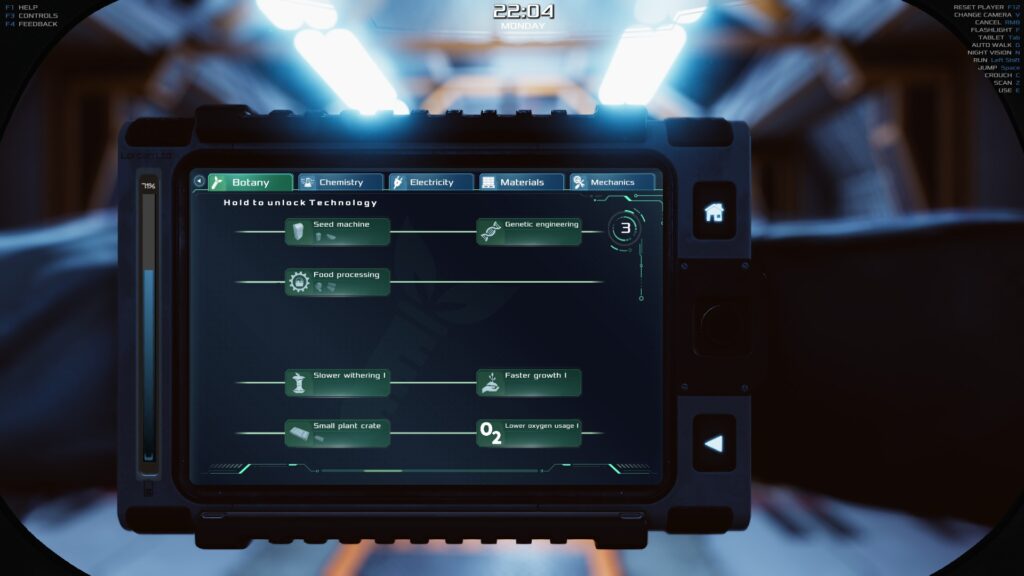
There are five separate skill trees under the Tech Tree tab, each focusing on a different aspect of Mars survival. These trees level up as you use the related skills or tools, except for the Chemistry tree, which you unlock by completing a synthesis in the Chemlab. When you gain enough experience, you can spend points to unlock new items or abilities on the trees. However, progression is gated behind three requirements: pendrives, blueprints, and workstations.
Pendrives and blueprints are found at different locations and drop points around Mars. Some blueprints can only be used at specific workstations, which you unlock as you progress. These workstations require significant power to operate. This setup prevents players from unlocking everything just by earning experience in the starting area, pushing you to explore Mars for new upgrades.
May The RNG Be With You
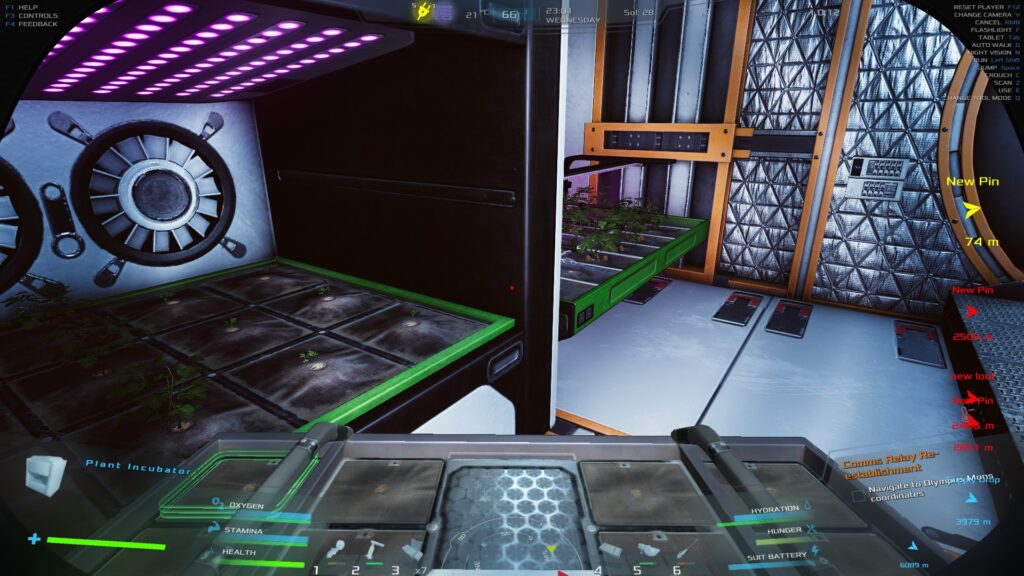
Items and bases around Mars are randomly generated, as are the items inside. I started to recognise a couple of presets, but each always felt different, keeping every playthrough unique.
Additionally, there are ’Abandoned Tablets’ to locate. These open up blueprints for your tech tree, but you get a choice of four randomly selected blueprints when you first open the tablet. This was pretty rough, as it locked me out of a few things I needed to not lose my game, but there were ways to cheese it if you get desperate.
The RNG was rarely kind to me, but it made Occupy Mars more engaging. Finding new seeds or items was exciting. One time, I returned with four new seeds and cement”ecstatic.
Triumph Over Adversity
There were some bugs in the beginning that stalled my game somewhat, but they were mostly teething issues. The developers have since released a patch, complete with Pizza and a bug statue to commemorate the problems.
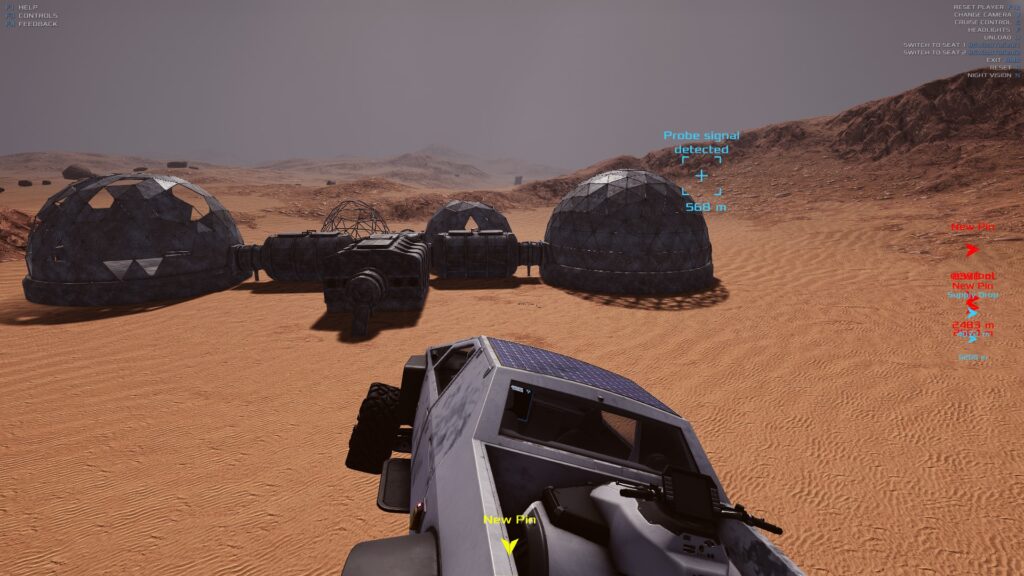
While the third-person perspective was a bit janky, it worked well for the cars. I failed the tutorial by opening the menu and having my helmet disappear; fortunately, these bugs were largely contained to the tutorial. Once I hit the main game, most of the faults were on me and my ineptitude. Each lesson was hard-learned, and overcoming these obstacles became my moment of glory.
Exploring was scary, but rewarding, especially once you’ve upgraded your grinder. I was struggling to get enough minerals and on the verge of dehydration, when I discovered I could pick up rocks from the ground for extra minerals. Then I learnt how to use the jackhammer, and I was unstoppable.
There Are No Mobs On Mars
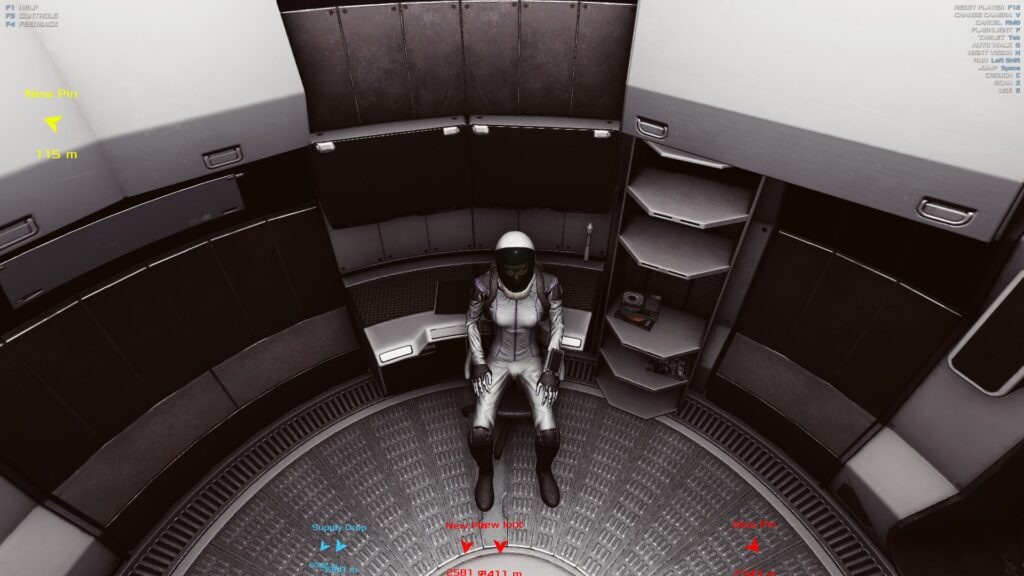
This is a real-life Mars simulation game. Every mistake can and will become fatal if you are not careful with your resources and planning. Saving regularly will stop any major failures, but I have yet to feel comfortable enough to sleep in a bed without keeping my helmet on.
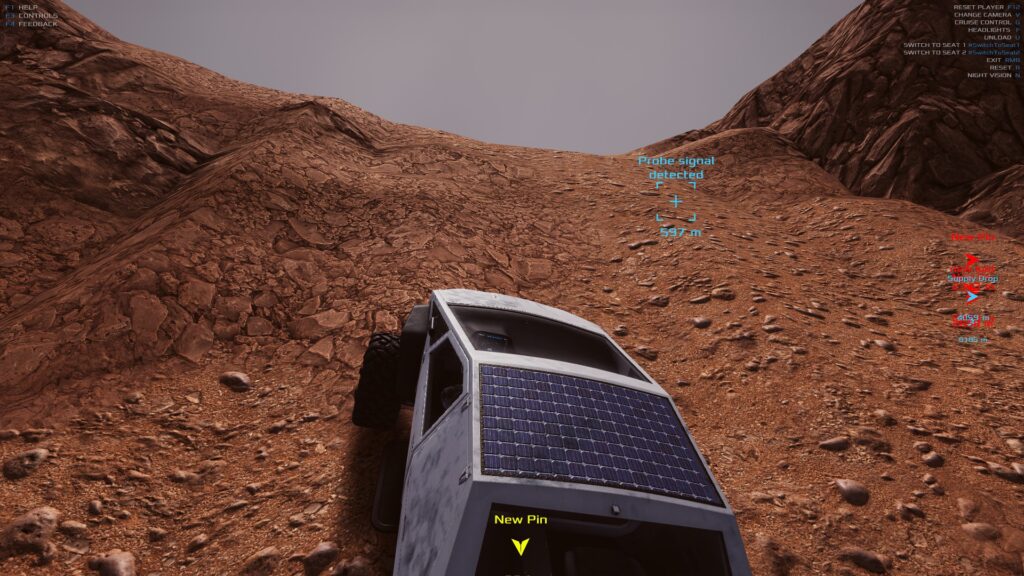
Some things break immersion, but are not game-breaking. Controls are clunky, and my vehicles spent more time airborne than on the ground. Most of this is likely due to gravity, though I got used to it after a few hours. There’s also a quick reset button if your car gets stuck.
You Can Occupy Mars
Occupy Mars looks great. The music draws you in, and I was hooked on the daily survival loop. It’s worth noting that the music got flagged on YouTube for streamers, but otherwise, I had no issues. Although I’ve not tried it, I’m really hoping to get a chance to try out the multiplayer at some point and lose another week without noticing it.
Progressing the story and exploration is important if you want to unlock items in your tech trees, but it’s not the main focus. It will punish you for rushing things, but players can largely go at their own pace as long as they maintain their basic resources. Fans of games like Raft may appreciate the challenge and base-building mechanics as they progress. The tech tree’s levelling system balances frustration and engagement. While the randomised elements and steep learning curve may deter some, the game’s loop remains compelling.
Once I figured out how to survive on Mars, I truly thrived. Once I got my car, I was off exploring, looting and crafting to my heart’s content. Near forty hours into Occupy Mars, I’m only halfway through the tech tree and have an entire planet left to explore.
Don’t leave the light on, I live here now.

Platforms: PC
Developer: â–² Pyramid Games
Publisher: â–² Pyramid Games, PlayWay S.A.
Played On: Steam
Game Provided By: Keymailer
About the Author