When Avatar arrived in theatres in 2009, it didn’t just dominate the box office ” it redefined the cinematic experience. Directed by James Cameron, the film pushed visual effects and 3D technology further than ever before, but its lasting legacy isn’t just technical. At its heart, Avatar is a story about identity, belonging, and the cost of destroying a world that is very much alive.
More than a decade later, Pandora remains one of the most breath-taking and fully realized fictional worlds ever put to screen.
A Story of Transformation and Belonging
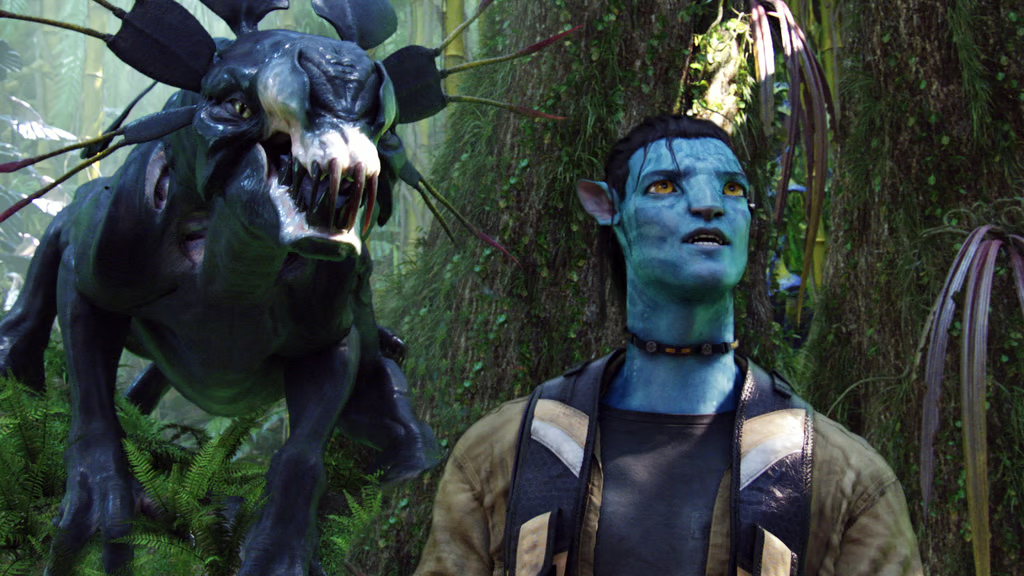
The film follows Jake Sully, a former Marine confined to a wheelchair, who joins the Avatar Program to replace his late twin brother. Through his Na’vi avatar, Jake gains not just mobility, but a sense of purpose. What begins as a military mission gradually becomes a personal awakening.
As Jake integrates into the Omaticaya clan, learning their language, customs, and bond with nature, Avatar explores the idea of finding home in unexpected places. His relationship with Neytiri is central to this transformation ” she is both teacher and emotional anchor, guiding Jake toward understanding what it truly means to belong.
While the narrative follows familiar ’outsider becomes part of the culture’ tropes, the emotional sincerity helps elevate it beyond cliché.


Pandora: A Living, Breathing World
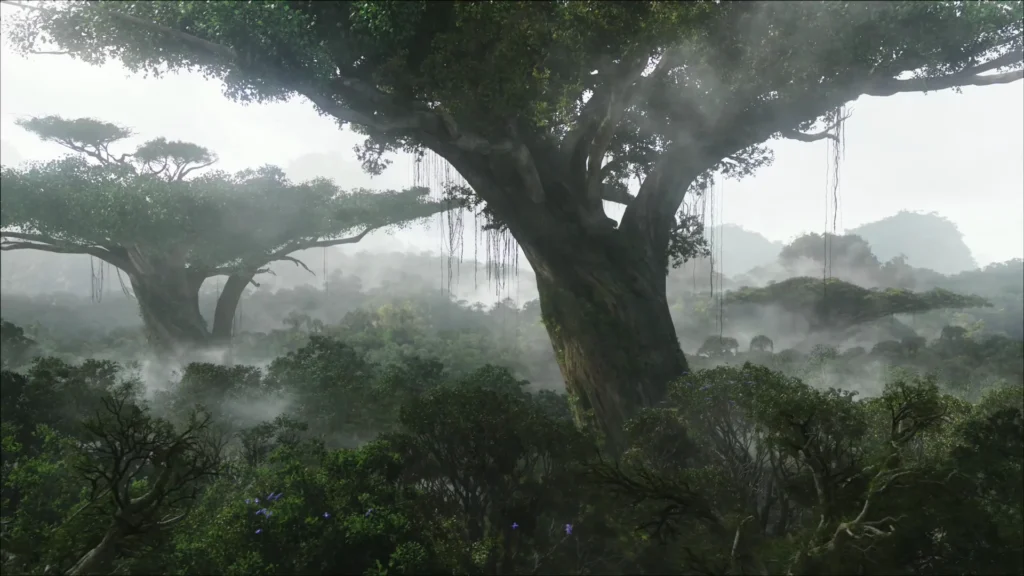
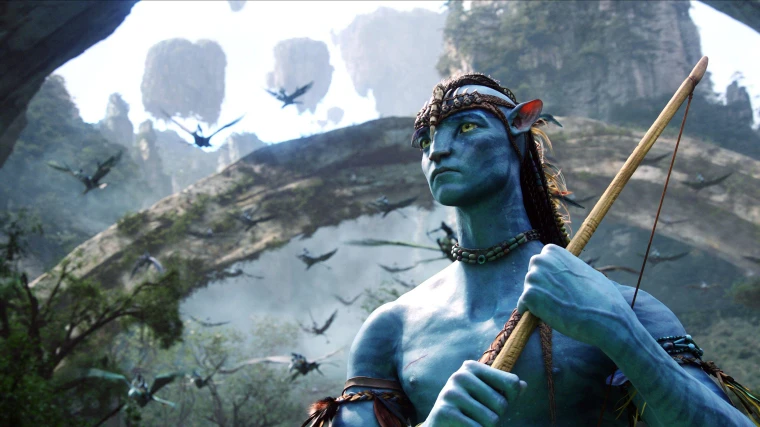
Pandora isn’t just a setting ” it’s the soul of Avatar. From the moment viewers step onto the moon, the world feels vibrant, dangerous, and impossibly beautiful. Bioluminescent forests glow under the night sky, floating mountains defy gravity, and every plant and creature feels connected in a delicate ecological balance.
Cameron’s attention to environmental detail is extraordinary. The flora reacts to touch. Creatures form symbiotic bonds with the Na’vi. The planet itself functions as a neural network through Eywa, reinforcing the idea that Pandora is a living entity rather than a resource to be mined. This sense of interconnected life gives the world an emotional weight ” when Pandora is threatened, it feels personal.
Few films have created a world so immersive that audiences genuinely mourned leaving it when the credits rolled.

Visual Effects That Changed Cinema Forever
Avatar set a new standard for visual storytelling. The blend of live-action, motion capture, and digital environments was revolutionary at the time ” and remarkably, it still holds up today. The Na’vi feel expressive and emotionally real, a testament to the performances beneath the digital layers.
The film’s use of 3D wasn’t a gimmick; it enhanced depth, scale, and immersion. Flying through Pandora’s skies on the back of a banshee remains one of the most awe-inspiring sequences in modern cinema, making viewers feel as though they are soaring alongside the characters.


Performances and Emotional Core
Sam Worthington delivers a grounded performance as Jake, allowing audiences to experience Pandora through his sense of wonder. Zoe Saldaña shines as Neytiri, bringing strength, vulnerability, and fierce loyalty to her role. Sigourney Weaver’s Dr. Grace Augustine offers a more complex human perspective ” one rooted in science, curiosity, and genuine respect for Pandora.
The antagonists, led by Colonel Quaritch, are intentionally blunt. They embody unchecked militarism and corporate greed, serving as a stark contrast to the Na’vi’s reverence for life. While not subtle, their presence reinforces the film’s themes with clarity.

Themes That Still Resonate
Avatar explores environmental destruction, colonialism, and the moral consequences of exploitation. Its message is clear: progress without respect leads to devastation. The film challenges viewers to reconsider humanity’s relationship with nature ” and what happens when profit outweighs empathy.
Though some critics have labeled the story as simple, its emotional impact and visual delivery give those themes power. Avatar isn’t trying to be complex for complexity’s sake; it aims to make audiences feel ” and it succeeds.


Final Thoughts
Avatar is more than a blockbuster ” it’s an experience that invites audiences to step into another world and care deeply about its fate. Pandora’s beauty, the emotional journey of its characters, and its environmental message combine to create a film that lingers long after viewing.
Even years later, Avatar stands as a testament to the power of world-building and imagination. It reminds us that cinema can transport us, move us, and perhaps even change the way we see our own world.

Find it on: IMDB
About the Author