My first session in Aces of Thunder is going well. My aircraft is out of control. I’m in a flat spin, spiralling toward the ground in what feels like slow motion. My controls are unresponsive. My stomach is turning.
’Why the heck did I decide to play this in VR?’
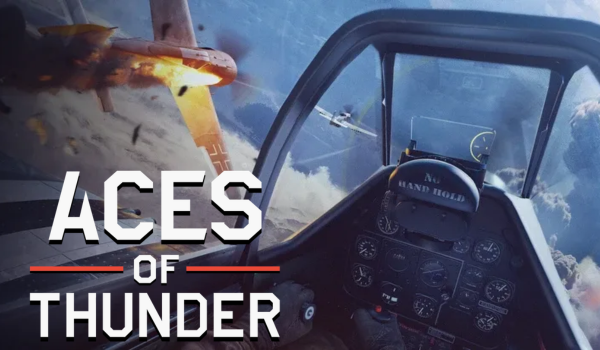
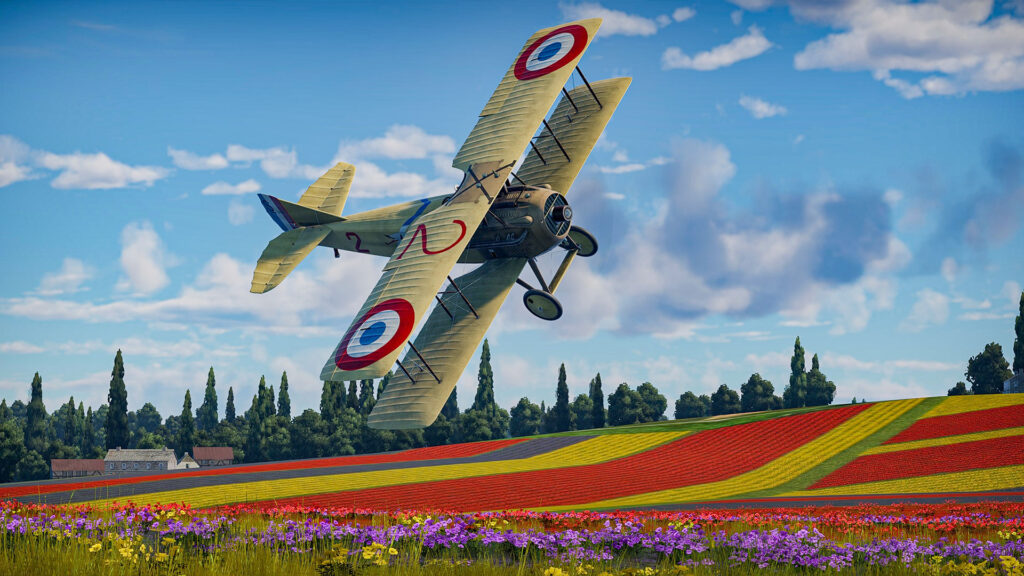
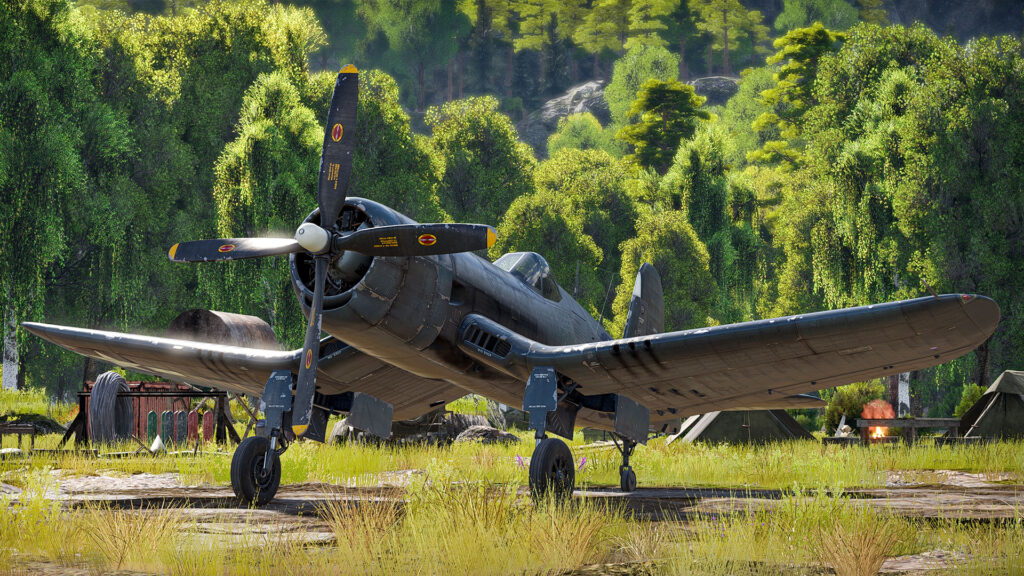
That was my introduction to Aces of Thunder, Gaijin Entertainment’s multiplayer-focused World War I and World War II flight simulator. Built from the ground up for VR (with an optional flat-screen mode), it puts you exclusively inside the cockpit of some of history’s most iconic aircraft, and it absolutely commits to that immersion.
For better and for worse.
Straight Into the Skies
There’s very little ceremony when you boot up the game. No campaign intro, no guided onboarding, just pick a plane and queue for multiplayer. While there are a handful of single-player skirmishes, they exist mostly as practice arenas. There’s barely a tutorial to speak of.
And that’s a problem.
With no real instruction on how to fly, I was left to trial and error my way through takeoffs, dogfights, and (frequently) catastrophic crashes. This sim leans toward realism rather than arcade accessibility. Aircraft are twitchy, stalls are punishing, and it’s far easier to crash than to feel in control.
For hardcore flight sim fans, that authenticity might be a draw. For everyone else, the lack of onboarding feels like being thrown into the deep end without knowing how to swim.
Multiplayer First ” Even When It’s Empty
Aces of Thunder is clearly built around multiplayer dogfighting. In practice, though, lobbies often felt sparse. Bots fill out matches, which keeps things moving, but it undercuts the competitive thrill the game seems designed for.
There are daily challenges that reward cosmetic skins, and some DLC aircraft are already available for purchase with real money. This reeks of live-service multiplayer, but it also makes the sparse single-player offering feel even more secondary.
VR Immersion: Incredible, and Awkward
Where the game truly shines is in its immersion.
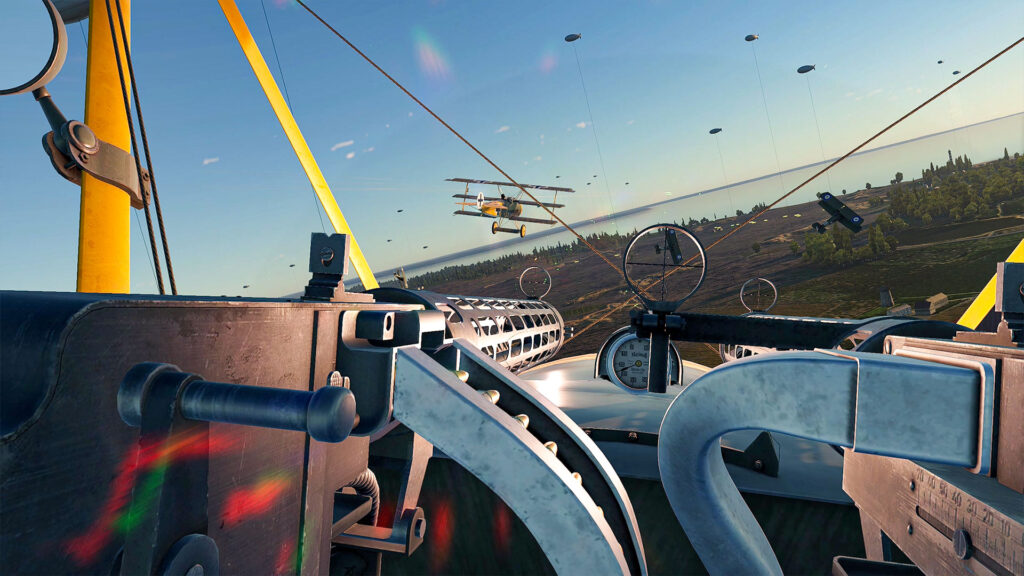
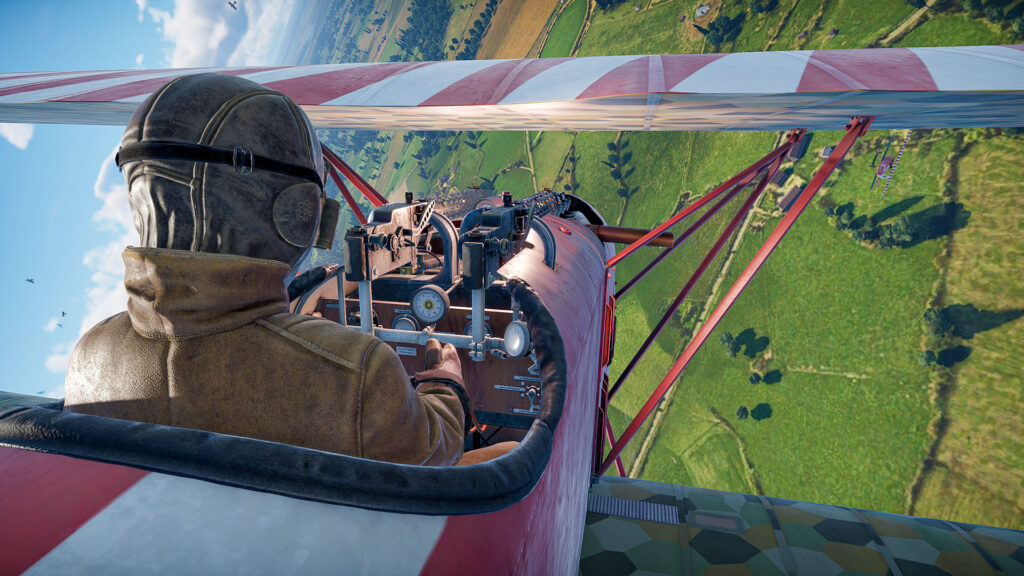
Looking over your shoulder to track a bandit. Leaning forward to check your instruments. Physically scanning the sky for movement. It gives you a genuine appreciation for pilots of the era, especially in aircraft with notoriously limited visibility. Flying the Red Baron’s Fokker Dr. I, for example, means staring past twin machine guns that dominate much of your forward view.
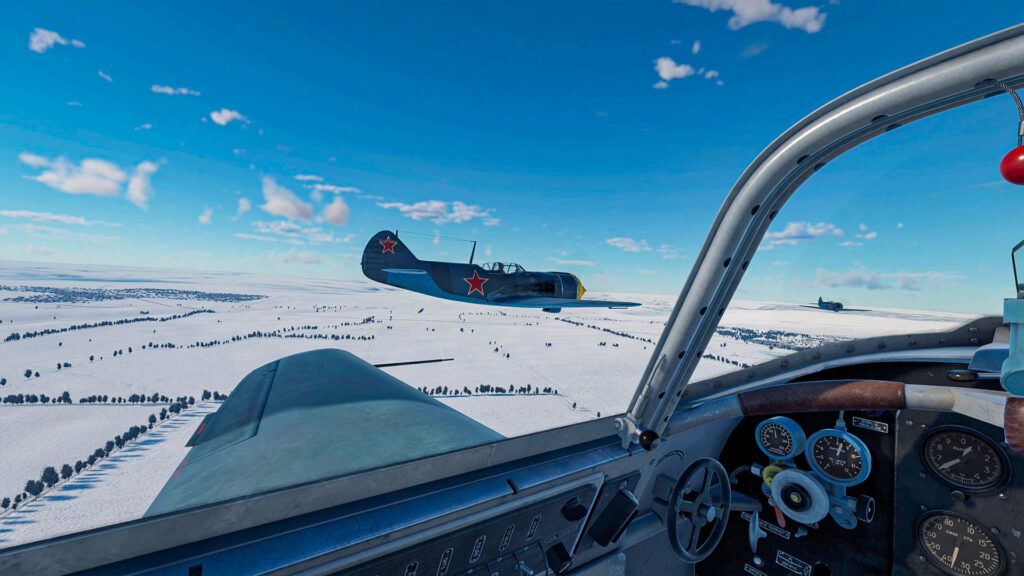
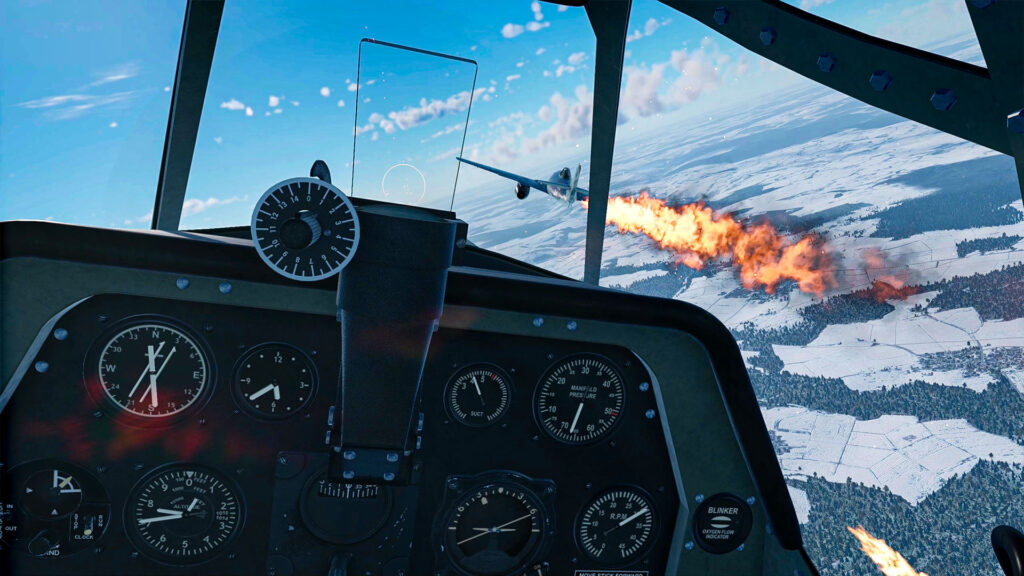
From the cockpit, the detailing is strong. Gauges are readable. Aircraft interiors look authentic. But actual interactivity is limited. You can manipulate the throttle, flaps, landing gear, control stick, and canopy, but beyond that, most switches are static. Thankfully, tooltips do pop up when you look at an instrument, meaning you aren’t totally lost.
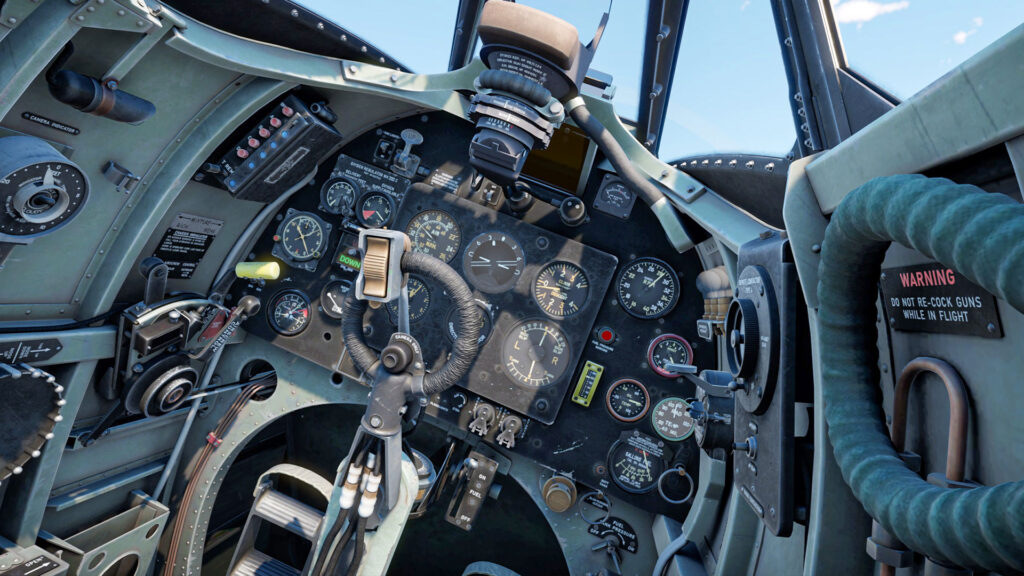
There’s also no meaningful haptic feedback on VR controllers, which makes interactions feel less tactile than they should.
And then there are real-world limitations. In one aircraft, the landing gear control was physically blocked by my real-life chair. In another, the yoke sat so close to my body that it was practically inside my stomach. These are the kinds of friction points you only encounter in VR, and they chip away at the immersion the game works so hard to create.
Interestingly, if you release the stick, the aircraft auto-levels. It’s a small assist that feels slightly at odds with the otherwise strict realism.
When Immersion Isn’t Fun
For the first hour, VR flight is exhilarating and nauseating. Once the motion sickness fades and the novelty wears off, what’s left is a very serious flight sim. And that’s where things became complicated.
Immersion doesn’t automatically equal enjoyment. Identifying friend from foe mid-dogfight is difficult, with markers popping in a little too late or too close to be useful. When you crash (which you will, often), you’ll notice the ground textures up close are blocky and unimpressive.
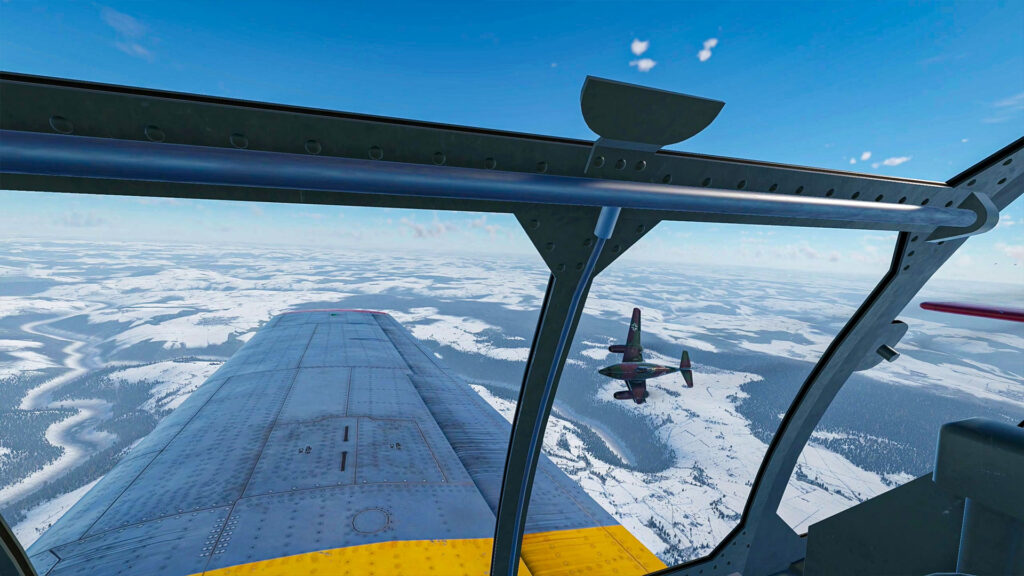
From altitude, however, the maps look great. You can clearly make out field boundaries, rivers, forests, and frontlines. The battlefields feel authentic from the sky, less so when you’re embedded in them.
Technical Friction
I also ran into occasional menu issues that forced me to restart the game entirely. I was told I could rebind controls for a traditional controller setup, but the menus felt unintuitive enough that I didn’t pursue it.
For a game already asking a lot from players mechanically, that extra friction doesn’t help.
Who Is This For?
This is the biggest question hanging over Aces of Thunder. It’s a niche within a niche within a niche:
- Classic WWI and WWII aircraft
- Multiplayer-focused
- Built specifically for VR
That’s a very narrow target audience. As a flight sim, it’s competent, even impressive in its dedication to cockpit realism. But if you’re not already deeply invested in historical aviation and VR dogfighting, it’s hard to know who this is meant to win over.
Verdict
Aces of Thunder does what it sets out to do: deliver immersive, cockpit-only World War dogfighting in VR. The aircraft feels authentic. The atmosphere can be intense. And the commitment to realism is admirable.
But immersion alone isn’t enough. Sparse lobbies, minimal onboarding, limited cockpit interactivity, and technical rough edges hold it back. Once the VR novelty fades, what remains is a demanding simulation that may struggle to justify itself beyond its most dedicated niche.
It does what it does well. I’m just not entirely sure who it’s for.

Platforms: PlayStation 5, GeForce Now, Microsoft Windows
Developer: Gaijin Entertainment
Publisher: Gaijin Entertainment
Played on Steam
Code Provided By: PressEngine
About the Author